


USA - Insurance Basics: The Risk Pool
16.03.2016 402 views
All insurance, from auto to life, health, and crop insurance, works best when it expands the number of people it covers. That’s because the broader the participation, the more widely risk can be spread. And by spreading the chance of loss among a diverse group of insureds, premiums become more affordable for everyone involved.
This concept is known as the “risk pool.”
Think of it like this: Car insurance would not work if only a handful of drivers participated – especially if those drivers were accident-prone or heavily ticketed. Insurance companies would be hesitant to offer coverage and premiums would be astronomically high. A deep bench of experienced drivers with safe driving records is needed in the risk pool to balance out the equation and help offset losses.
The same can be said for health insurance. Why else do you think there was so much discussion on enrolling young, healthy people during the Affordable Care Act debate?
Crop insurance is no different, except crop insurance is about acres covered, not the number of farmers participating. If 1,000 acres is farmed by one farmer or three smaller operations is of little to no consequence. Getting the 1,000 acres covered is the key to expanding the size of the risk pool.
Widening the risk pool is so important that many forms of insurance encourage participation through incentives or mandates. If you have a mortgage, for example, you are obligated to carry insurance. State laws require auto coverage. Health insurance is aided when employers and the government help cover a portion of the premium.
In the case of crop insurance, these incentives didn’t always exist. As a result, coverage was expensive, policies were unavailable for many crops, and few people were insured. And when disaster struck, farmers looked to Congress to help them rebound through expensive, unbudgeted disaster legislation.
In fact, in the early 1990s, less than 30% of farm acreage was insured and farmers were vulnerable to risk. Having been stung by $70 billion worth of disaster bills since 1989, lawmakers needed to find a way to boost crop insurance participation.
Congress expanded the size of the risk pool through a three-pronged strategy.
First, it said crop insurance must be available to all – farmers couldn’t be excluded because they grew canola instead of corn or because they farmed in California instead of Connecticut. Then, the government invested in the development of new policies for crops, regions, and farmers that were traditionally underserved. Finally, it incentivized participation by discounting farmers’ premiums.
And the results speak for themselves. Today, 90% of acres are covered, taxpayer-funded bailout packages are a thing of the past, and farmers get assistance quickly when they need it thanks to private-sector efficiency.
Yet, despite these advances in modern risk management, some of agriculture’s political opponents have demanded that these investments be unraveled and that we return to the old inefficient and expensive model.
These farm policy critics want to exclude farmers with large operations from the system and cap benefits for all growers. Doing so would remove large swaths of acres from the risk pool, alienate experienced farmers with lower risk profiles, and ultimately make it harder for smaller, beginning farmers to get insurance coverage.
Just like removing all the safe drivers from auto insurance, that would be a wreck for everyone involved – including taxpayers.
Source - cropinsuranceinamerica.org
EVENTS

ScaleAgData Stakeholder Engagement Event
22.10.2024The ScaleAgData project is pleased to invite you to our second stakeholder event. Building on the discussions and connections formed during our first webinar, this event will focus on fostering collaboration among stakeholders, providing updates on our project’s progress, and outlining future opportunities for engagement.
RISK EVENTS

Moldova - May frosts caused heavy damage to fruit orchards
10.05.2026The first frosty nights of May have significantly worsened estimates of damage to Moldova's fruit sector from spring frosts. According to initial assessments by fruit market operators, between a quarter and a third of the country's total orchard area was seriously affected.
04.06.2026

India - Delhi raises crop damage compensation after 10 years by over 50% to Rs 75,000 per hectare
In a major relief for farmers, the Delhi government has increased compensation for crop loss caused by rain and hailstorms from Rs 20,000 per acre to Rs 75,000 per hectare.
04.06.2026

Why Tech-Driven Agro-Insurance Has Stumbled in Ethiopia
For decades, Ethiopia’s agricultural sector has remained trapped in a dangerous paradox.
04.06.2026
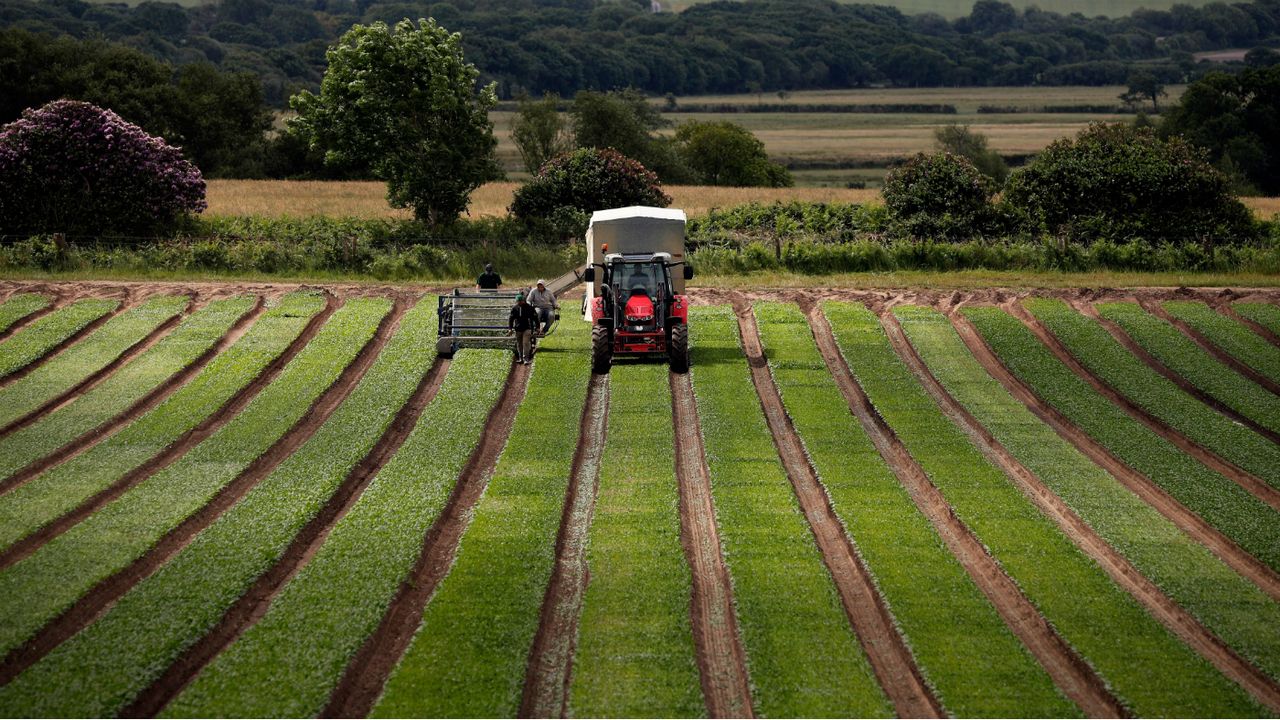
UK - Rural crime cost Wales £2.2m last year despite fall in offences
Rural crime cost Wales an estimated £2.2 million last year, with organised criminals continuing to target tractors, livestock and farming equipment despite an overall fall in offences, according to a new report.
04.06.2026

Kenyan Agro-Insurance Startup, Pula Raises US$ 20 Million in Series B Round
Pula, a Kenyan startup that offers insurance to small-scale farmers, aims to serve more than 100 million farmers in Africa after raising US$ 20 million in its Series B round.
04.06.2026
USA - USDA announces $52M to boost public access to private lands for hunting, fishing
The U.S. Department of Agriculture is announcing $52 million to help state and tribal governments encourage private landowners to allow public access to their land for hunting, fishing and other wildlife-dependent recreation through the Voluntary Public Access and Habitat Incentive Program (VPA-HIP).
04.06.2026

Hope Grows in Malawi’s Grain Stores as Farmers Battle Post-Harvest Losses
Some grain rots in poorly ventilated storage. Some is eaten by pests. Some is damaged during drying or transportation before it ever reaches the market.
03.06.2026
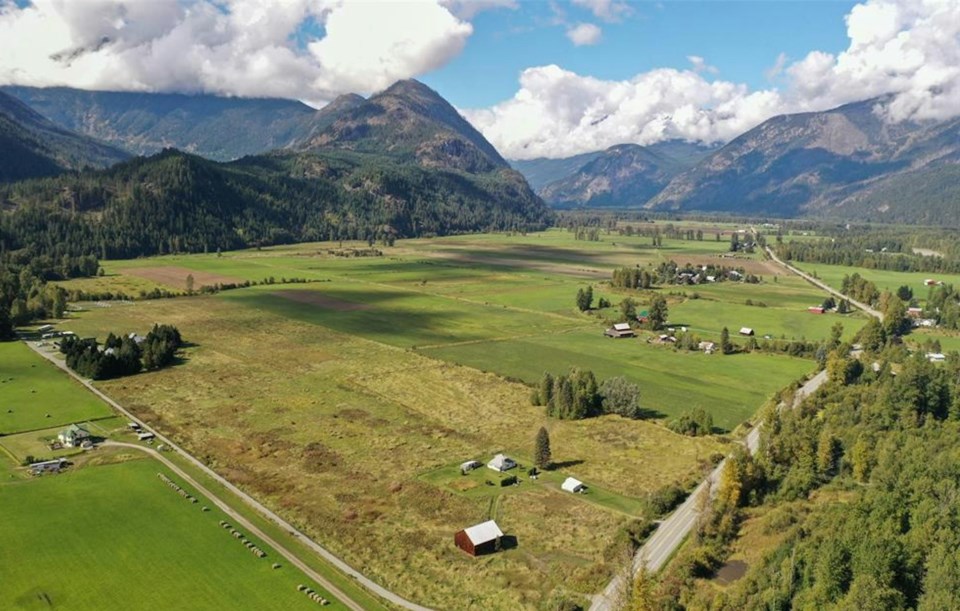
Canada - AFSC extends several northern Alberta seeding dates for 2026
Alberta’s Agriculture Financial Services Corp. (AFSC) is extending the recommended seeding dates in the province’s northeast, northwest and Peace regions for several crops for the 2026 growing season only.
03.06.2026

India - Elephants run amok in Konaje agricultural farm, cause massive crop damage
A herd of elephants, including calves, wreaked havoc on an agricultural farm belonging to Yashodhara Gowda at Pallattadka in Konaje village of Kadaba taluk.
