Australia - Avocado growers warned to prepare for rain and prevent crop losses

06.09.2016 326 views

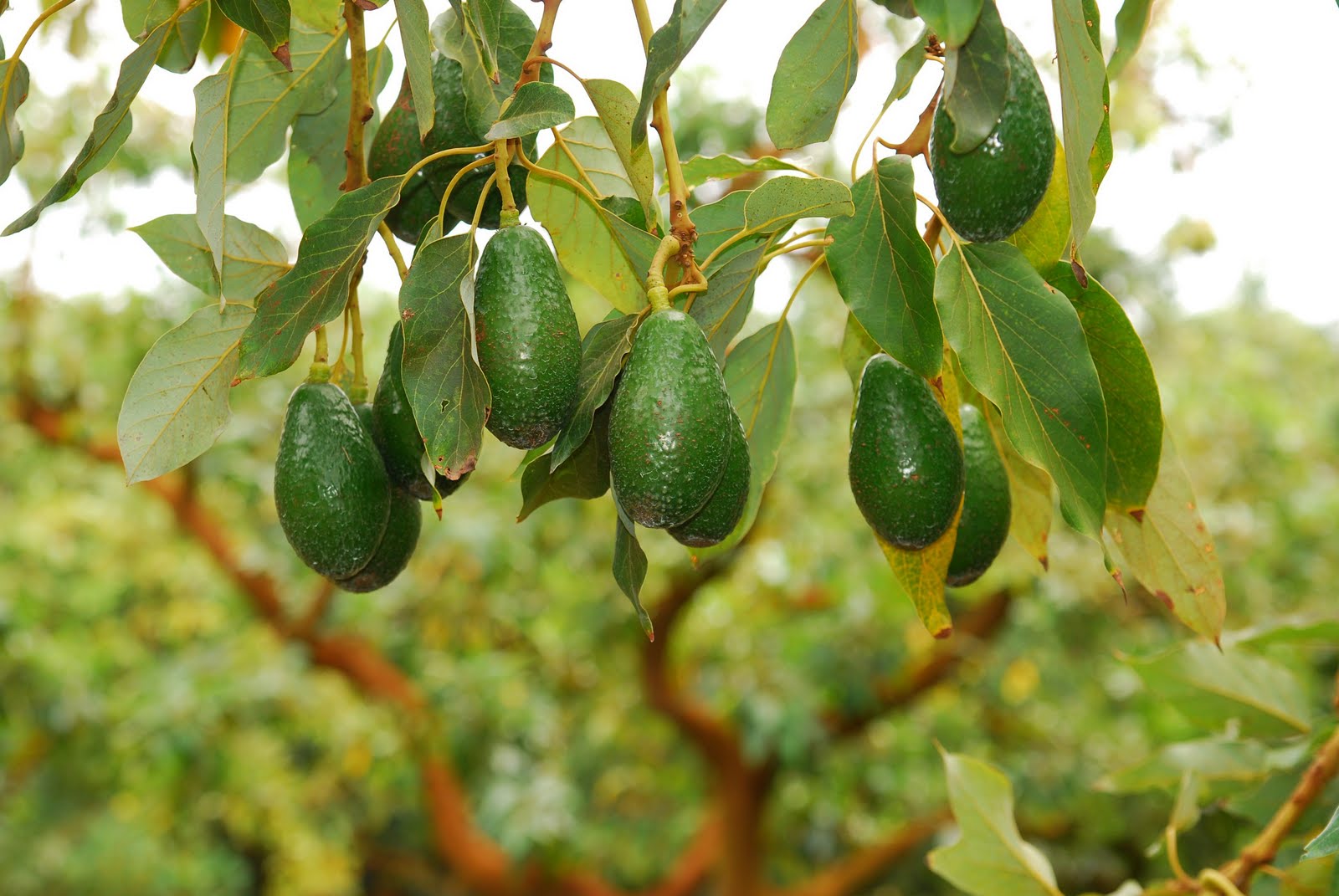
Avocado growers are being urged to prepare their orchards now to protect them from spring and summer rains and prevent crop losses.

Avocados Australia chief executive John Tyas said the fruit trees were highly susceptible to drowning in wet conditions, which could lead to reduced availability of fruit. "The real problem with rain at this time of year, you've got trees that are flowering and setting fruit, so they're very susceptible to disease," he said. "Avocado trees are very susceptible to just drowning, they can't have waterlogged conditions for more than a couple of days otherwise they'll keel over. At a recent field day in Bundaberg, Queensland Department of Agriculture extension horticulturist Simon Newett outlined the risks of over-watering and high rainfall. "While [avocado] has a big need for water, it also is very sensitive to over-irrigation, not only from encouraging phytophthora root rot, but also from basically asphyxiating the roots," he said. "Avocado roots have a very high oxygen requirement. "It's a fine line, it has to be managed very well and very balanced." He said growers that had not prepared for wet conditions could be vulnerable to phytophthora, a soil fungus that causes root rot and could kill out entire orchards in a single season of heavy rain. "Avocado evolved in Central America, and the phytophthora organism, pathogen, they think evolved in the New Guinea area," he said. "We do have some root stocks that are more tolerant than others, but it's extremely susceptible to phytophthora." He said the impact could be devastating. "I think we've seen in the Bundaberg area when we had the really wet weather probably four years ago, that has impacted on yields for three years and they're only just coming out of them," he said. Over the next three months most growing regions are likely to see average rainfall, but the weather bureau is on La Nina watch. Avocados Australia chief executive John Tyas said growers should take steps now to ensure any rain they do receive in coming months works for them and not against them, especially if they are new to the industry. "There's a whole lot of things growers can do from selecting the right site, avocados are really dependent on really deep well-drained soils and a good supply of good quality water," he said. "Then there's a whole range of management practices, making sure that growers mound their orchards, make sure that they put good drainage systems in. "If all those things are done then it's quite manageable."



Bundaberg bouncing back

Mr Tyas said consecutive flooding in the Bundaberg region in 2010/11 and 2013 showed how severe the impact on yield could be, and that further impacted the availability of fruit nationally. "This region traditionally about five years ago got up to about 20,000 tonne, which was a really significant part of the total supply," he said. "The wet weather ... that we had over the last few years really knocked around a lot of orchards so a couple of years ago production got down to half of that with trees that died ... a lot of trees were really unwell and needed to be rejuvenated so production really took a hit. He said so far 2016 had been a good year for avocado growers, but the Bundaberg example showed how destructive heavy rain could be if it was not managed well. "Nationally production's up again this year, I think it's about 16 per cent up on last year and obviously some regions are up and some regions are down," he said. "But generally the industry's on a pretty steep growth path." Source - http://www.abc.net.au
04.06.2026

India - Delhi raises crop damage compensation after 10 years by over 50% to Rs 75,000 per hectare

In a major relief for farmers, the Delhi government has increased compensation for crop loss caused by rain and hailstorms from Rs 20,000 per acre to Rs 75,000 per hectare.

04.06.2026

Why Tech-Driven Agro-Insurance Has Stumbled in Ethiopia

For decades, Ethiopia’s agricultural sector has remained trapped in a dangerous paradox. 

04.06.2026

UK - Rural crime cost Wales £2.2m last year despite fall in offences

Rural crime cost Wales an estimated £2.2 million last year, with organised criminals continuing to target tractors, livestock and farming equipment despite an overall fall in offences, according to a new report.

04.06.2026

Kenyan Agro-Insurance Startup, Pula Raises US$ 20 Million in Series B Round

Pula, a Kenyan startup that offers insurance to small-scale farmers, aims to serve more than 100 million farmers in Africa after raising US$ 20 million in its Series B round. 

04.06.2026

USA - USDA announces $52M to boost public access to private lands for hunting, fishing

The U.S. Department of Agriculture is announcing $52 million to help state and tribal governments encourage private landowners to allow public access to their land for hunting, fishing and other wildlife-dependent recreation through the Voluntary Public Access and Habitat Incentive Program (VPA-HIP). 

04.06.2026

Hope Grows in Malawi’s Grain Stores as Farmers Battle Post-Harvest Losses

Some grain rots in poorly ventilated storage. Some is eaten by pests. Some is damaged during drying or transportation before it ever reaches the market.

03.06.2026

Canada - AFSC extends several northern Alberta seeding dates for 2026

Alberta’s Agriculture Financial Services Corp. (AFSC) is extending the recommended seeding dates in the province’s northeast, northwest and Peace regions for several crops for the 2026 growing season only.

03.06.2026

India - Elephants run amok in Konaje agricultural farm, cause massive crop damage

A herd of elephants, including calves, wreaked havoc on an agricultural farm belonging to Yashodhara Gowda at Pallattadka in Konaje village of Kadaba taluk.