Lithuania declares nationwide emergency over summer rainfall damage

13.08.2025 1093 views

Lithuania’s government on Wednesday declared a nationwide emergency after weeks of heavy summer rains caused widespread crop losses, following a proposal from the National Crisis Management Centre and the Agriculture Ministry.

Deputy Agriculture Minister Andrius Palionis told the cabinet the decision was prompted by the fact that 13 municipalities had already declared local emergencies and that a nationwide declaration would give farmers more flexibility in meeting obligations.

“After assessing the Hydrometeorological Service’s report that the rainy period, which began in the north on May 29, later spread across the country – and that on some days in July rainfall exceeded even critical levels – we ask to declare an emergency,” Palionis said.

He said the declaration would help minimise damage by waiving certain deadlines and administrative requirements, allowing farmers to focus on harvesting. Agriculture Minister Kęstutis Navickas was appointed state operations commander for the emergency.

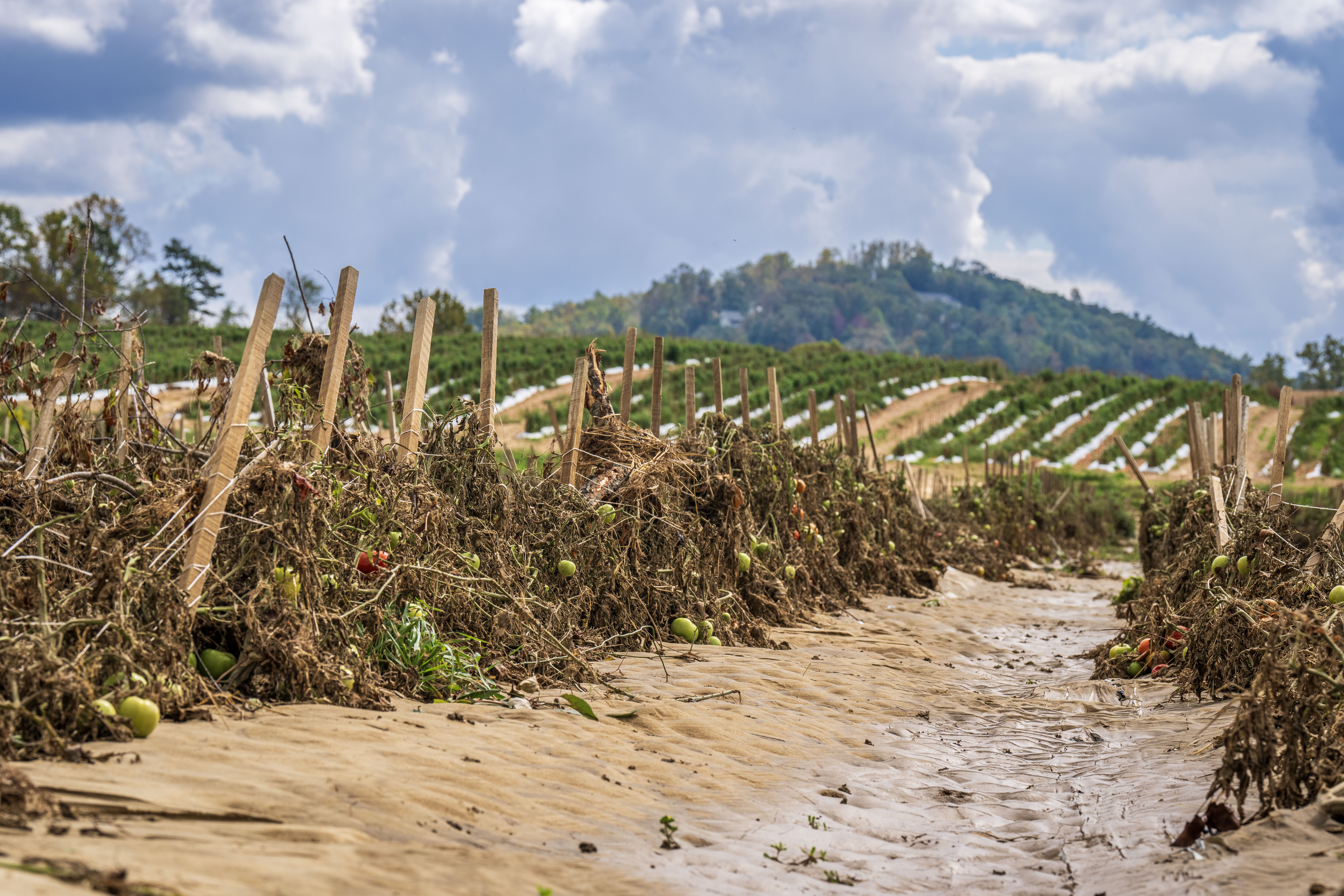
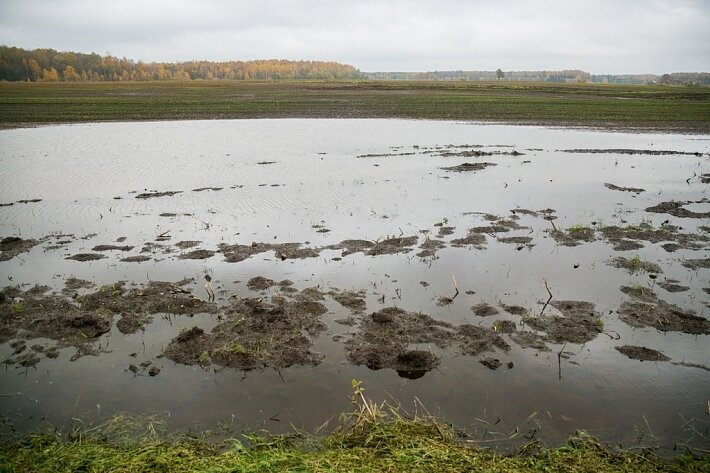
According to the ministry, some areas saw as much rain in a single day as they normally receive in a month. In July, average precipitation reached 167% of the monthly norm, with some locations seeing two or three times the usual amount. The rains damaged crops from winter wheat to potatoes, with some fields completely lost and others suffering reduced quality.

Local authorities estimate the prolonged rains destroyed or damaged 50% to 70% of harvests, affecting about 7,900 hectares. Without the emergency declaration, farms unable to meet their commitments due to the exceptional conditions could face penalties.

The Lithuanian Hydrometeorological Service said the heavy rainfall persisted for weeks in northern municipalities before extending to other parts of the country, including Anykščiai, Pakruojis, Rokiškis, Utena, Zarasai, Joniškis, Švenčionys, Biržai, Ignalina, Pasvalys, Kelmė, Radviliškis, Molėtai, Vilnius, Kaišiadorys, Šalčininkai, Varėna and Trakai.


Source - https://www.lrt.lt

23.08.2026

USA - Pennsylvania Opens $10M Aid Program for Freeze-Hit Growers

Pennsylvania will open a $10 million disaster-relief program Aug. 24 for fruit growers facing an estimated $150 million to $200 million in losses from a spring freeze, Gov. Josh Shapiro reported Thursday during a visit to an Adams County orchard.

23.08.2026

A year of change in Polish agriculture

Minister Krajewski highlights support for farmers and stronger agricultural resilience.

23.08.2026

Nepal - Hunting permits issued to protect crops from wildlife in Arghakhanchi

Amid growing damage to crops and increasing human-wildlife conflict, a system allowing the legal hunting of certain wild animals has been introduced in Arghakhanchi.

23.08.2026

Spain - Barrachina highlights 35.3 million in agricultural insurance for 21,000 professionals in the field

The Generalitat allocates 35.3 million to agricultural insurance in the Valencian Community to support 21,000 farmers and ranchers against increasing risks.

23.08.2026

India - Sodiem locals seek FIR against WRD over paddy crop damage

The Siolim-Sodiem gram sabha on Sunday resolved to initiate criminal action against the Water Resources Department (WRD) over damage to ready-to-harvest paddy crops allegedly caused by leakage and seepage from the Tillari canal.

23.08.2026

India - Bhilwara farmers face crop loss as yellow mosaic virus hits pulses

Farmers in Bhilwara district are in distress due to an outbreak of yellow mosaic, commonly known as yellow disease, affecting their pulse crops. 

20.08.2026

Philippines - Farm damage from ‘habagat’ and serial storms hits ₱1.7B

The agricultural damage caused by the recent typhoons has soared to more than P1.7 billion, affecting over 50,000 farmers and fisherfolk, according to the Department of Agriculture (DA).

20.08.2026

India - Tech Guard For Farms: MIT Muzaffarpur Students Develop AI Device To Protect Crops From Nilgai

For years, farmers in Bihar have relied on scarecrows, fencing and constant vigilance to protect their crops from nilgai, wild animals and birds. But these measures often lose their effectiveness as animals gradually learn to ignore them.