New research has unlocked the genetic code of a crop damaging fungus, opening the way for improved disease control.
Researchers from CSIRO, Australia’s national science agency, have produced a detailed genetic blueprint of a soil borne crop pathogen, supporting improved crop disease management in Australian agriculture.
For the first time, researchers have sequenced and assembled a chromosome level genome for the fungal pathogen Rhizoctonia solani AG 8, revealing its complex genetic structure.
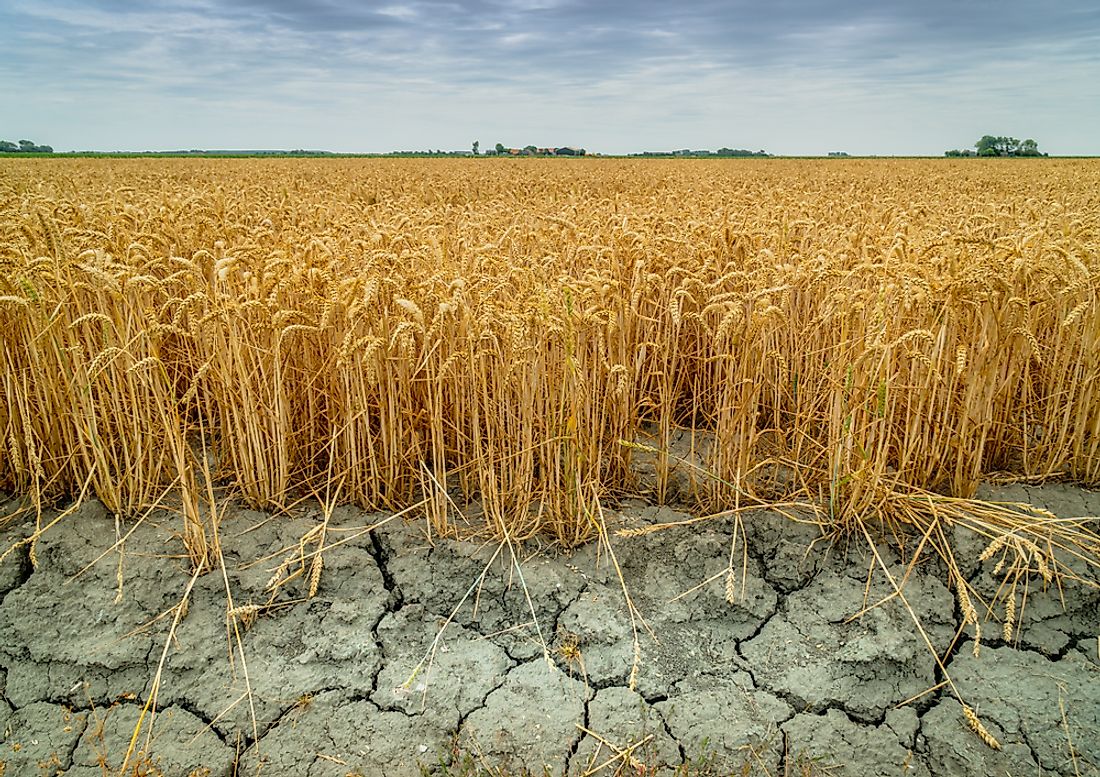
The fungus causes bare patch disease in wheat, barley and legume crops across Australia, resulting in more than $150 million in crop losses each year.
Dr Jonathan Anderson, principal research scientist at CSIRO, said the fungus has long been difficult for farmers to manage as there are no resistant crop varieties and fungicides often do not work reliably.
“Using new sequencing technology, we discovered that Rhizoctonia solani AG 8 is what’s known as dikaryotic meaning it carries two separate sets of genetic material, called haplotypes, some of which are highly genetically diverse,” Dr Anderson said.
In simpler terms, the fungus has two distinct genetic blueprints, which may help explain why it is difficult to control.
“By studying how genes in each haplotype behave when infecting different crops, we found that the two genetic sets may play different roles in how the fungus attacks wheat,” Dr Anderson added.
“This new level of genetic insight into the fungus gives us a powerful foundation to transform how to manage the destructive diseases it causes in the paddock.”
The findings support broader studies of Rhizoctonia solani populations across Australia’s grain growing regions, research that was previously limited by uncertainty around the relationship between the fungus’s two genetic sets.
The genome sequence also supports further research into how the fungus causes bare patch disease in different crops and helps guide the development of crop management strategies to reduce its impact.
Source - https://www.foodmag.com.au