Lagos’ feed and fingerling subsidies for small farmers and the federal FISH4ACP program,i will reduce fish cost and strengthen food security in 2026, Bismarck Rewane, Chief Executive Officer (CEO) of Financial Derivatives Company (FDC) Limited has said.
According to him, aquaculture is a cornerstone of Nigeria’s food security and employment, with national demand reaching 3.2 million metric tons. Yet domestic production, at only 1.2 million metric tons, falls nearly two million metric tons short, largely due to the high cost of fish feed, which accounts for roughly 70 per cent of production expenses. This shortfall drives $1.2 billion in annual fish imports, exposing consumers to price volatility.
“Efforts to address these challenges include Lagos’ feed and fingerling subsidies for small farmers and the federal FISH4ACP program, launched in 2025, providing finance, technical support, and value-chain reforms”, said Rewane.
He said lessons from China highlight the importance of investing in local feed research, alternative protein sources, and domestic production to lower costs and sustain growth. Strengthening Nigeria’s local feed ecosystem is therefore essential to boosting aquaculture profitability and national food security.
Operators say aquaculture is a growing industry in Nigeria, playing a crucial role in enhancing food security, nutrition, and livelihoods. As fish farming grows, so does the demand for quality feed—an essential input that directly influences productivity and profitability. However, high feed costs remain a major challenge, with expenses accounting for 60 per cent to 70 per cent of total production costs for many farmers.
The rising cost of fish feed is a significant concern in Nigeria, with prices surging from N3,500 per bag in 2012 to N42,000 today. Consequently, many small-scale farmers struggle to maintain profitable operations.
With the effort of the government, analysts say the effort will go a long way in ensuring food security.
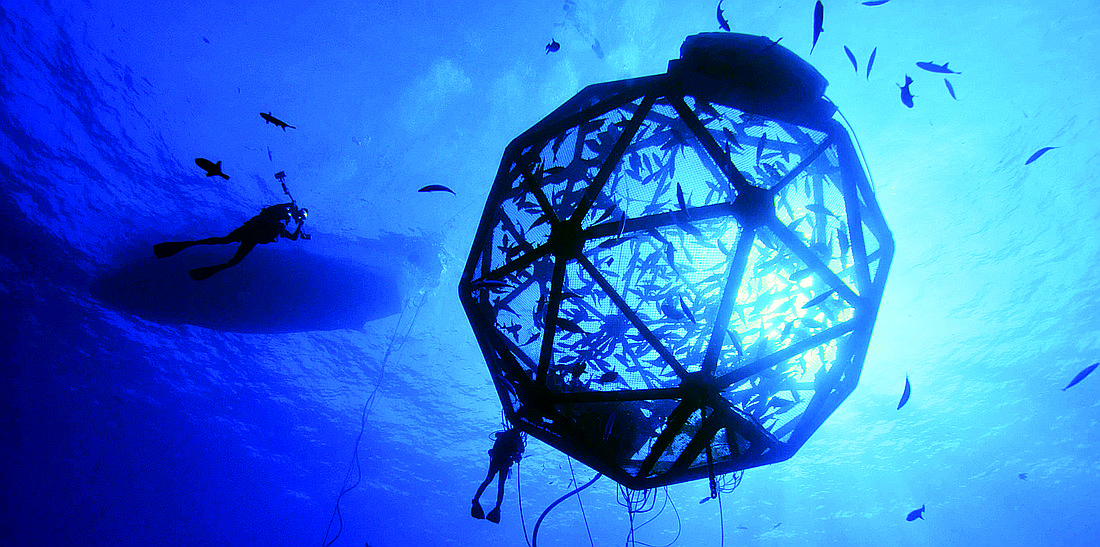
FIsh farming, also known as aquaculture, is a key contributor to global food security. As the demand for healthy proten sources grows, aquaculture plays a crucial role in providing fish in a sustainable and efficient manner.
With the global population increasing, fish farming ensures a steady supply of affordable and nutritious fish to meet rising dietary demands. Unlike wild fishing, aquaculture allows for consistent production without depleting natural fish stocks.
They argue that fish farming contributes to economic development by creating jobs in rural and coastal areas. From fish hatcheries to processing plants, aquaculture offers employment opportunities at various stages of production.
Source - https://blueprint.ng