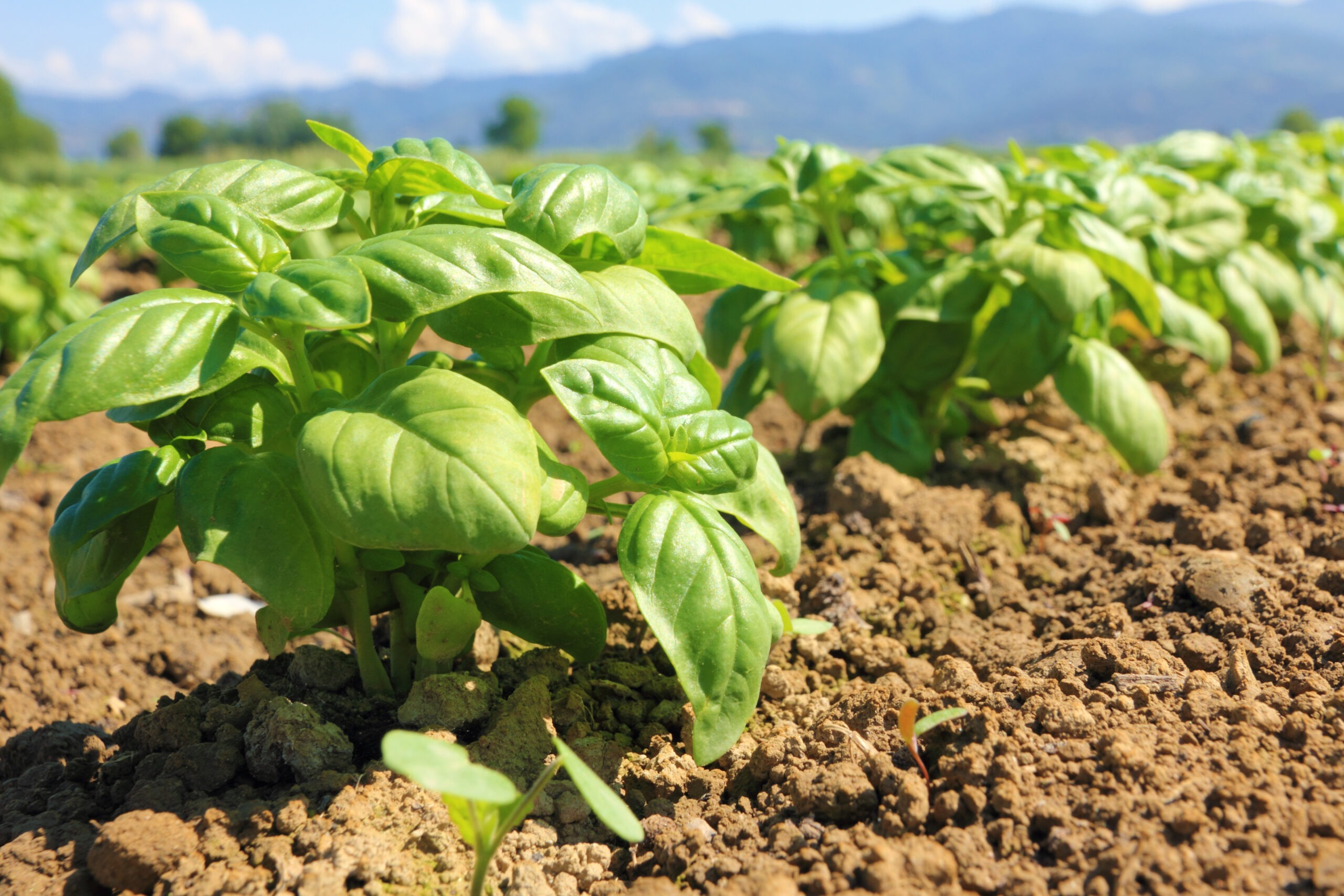
The Government of Jamaica has officially launched the Greenhouse Clusters and Cooperative Infrastructure Upgrade Project under the Second Rural Economic Development Initiative (REDI-II), with an investment of $880.4 million. The project aims to strengthen year-round agricultural production in rural communities by supporting climate-resilient farming practices.
The initiative will see the construction of 95 greenhouses across community clusters in Clarendon, Manchester, St. Ann, and St. Catherine. Additionally, infrastructure upgrades will take place at the Mafoota Agriculture Cooperative in St. James, repairing greenhouses damaged by Hurricane Melissa in October and rehabilitating post-harvest facilities. Approximately 124 individuals at Mafoota, along with 848 families across participating communities, are expected to benefit from the programme.
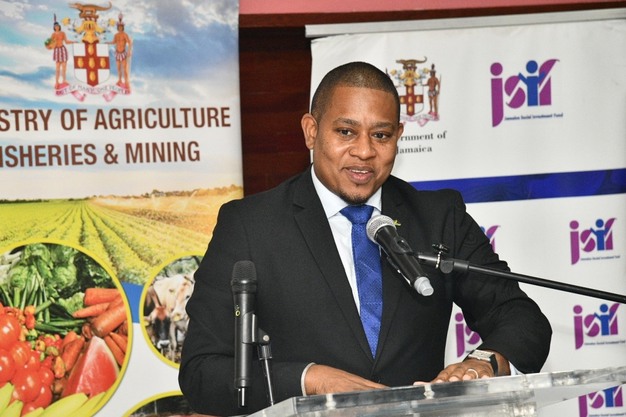
Minister of Agriculture, Fisheries and Mining, Hon. Floyd Green, delivers remarks during the Official Contract Signing Ceremony for the Greenhouse Clusters and Cooperative Infrastructure Upgrade Project, held on Tuesday (February 24) at the Ministry's Hope Gardens headquarters in St. Andrew. The project, being implemented under the Second Rural Economic Development Initiative (REDI-II) with an investment of $880.4 million, aims to strengthen year-round agriculture production by supporting climate-resilient practices in rural farming communities.
Speaking at the official contract signing ceremony on February 24 at the Ministry of Agriculture's Hope Gardens headquarters in St. Andrew, Minister of Agriculture, Fisheries and Mining, Hon. Floyd Green, emphasized the importance of climate-resilient practices. "This will improve productivity, strengthen income stability, and enhance climate resilience. We have seen the climate change, and we must do things differently," he said.
Under the project, greenhouses will be equipped with drip irrigation, fertigation systems, water-harvesting and storage facilities, sanitary and changing rooms, pesticide and fertiliser storage, and packing areas for post-harvest handling. For clusters without storage, renewable energy-powered containers will be installed to maintain a consistent supply of produce. The Ministry will also provide training and input materials, while the Rural Agricultural Development Authority (RADA) will ensure farmer engagement and extension services.
Infrastructure upgrades at Mafoota include restoring solar-power equipment, installing four 1,000-gallon water storage tanks, completing gutter works, constructing storage rooms, and repairing septic and sewerage systems. The Ministry will also address water catchment challenges and repair hurricane-damaged greenhouses.
The REDI-II project is being implemented in collaboration with the Jamaica Social Investment Fund (JSIF), the World Bank, Jamaica Bauxite Institute (JBI), RADA, and bauxite companies including Jamalco, Windalco, and Discover Bauxite. Participating bauxite companies will support land preparation, reclamation, earthworks, and leasing arrangements for greenhouse clusters.
JSIF Managing Director Omar Sweeney highlighted that REDI-II builds on the success of REDI-I, which saw 160 greenhouses constructed in eight communities, producing roughly 762 tons of vegetables annually. "We're doing things that will enable persons to take the shock of what may come with climate risk, absorb it, and recover quickly," he said.
Construction is scheduled to begin in March 2026, with completion expected within six months, followed by a six-month liability period. The project reflects the Government's commitment to modernizing rural agriculture while enhancing climate resilience for farmers across Jamaica.
Source - https://www.hortidaily.com