India - Sirsa farmers seek insurance payouts, procurement probe

29.03.2026 403 views

Farmers in the district have raised concerns over unpaid crop insurance claims, delayed compensation and alleged irregularities in rice procurement. Addressing a gathering at Faggu village, Lakhwinder Singh Aulakh, state head of the Bharatiya Kisan Ekta (BKE), said poor government policies had worsened farmers’ conditions, leaving many trapped in debt to banks and moneylenders.

“The kharif 2025 crops were severely damaged due to heavy rains, waterlogging, and floods,” Aulakh said. “Farmers who insured their crops under the Pradhan Mantri Fasal Bima Yojana (PMFBY) have still not received their claims, while those without insurance have not been compensated for their losses.”

He also highlighted pending dues from kharif 2020. “Several farmers, including those from Faggu, have not received payments held for months by the State Bank of India in Kalanwali,” he said.

Aulakh alleged that the farmers in Faggu were cheated during paddy procurement at local markets. “Grain was under-weighed by up to 20 kilograms per quintal under the pretext of moisture content. Officials from the market committee, warehouse managers, and rice mill owners were involved,” he said. A committee investigating the incident has already been provided with evidence, but no legal action has yet been taken, he added.

He urged the district administration to act swiftly and file cases against those responsible.

The farmers also complained about new government regulations requiring biometric verification and vehicle registration details for crop sales through the “Meri Fasal Mera Byora” portal. Aulakh said many farmers could not complete registration and called for the portal to be reopened to allow all growers to register and sell their crops.

He demanded that the Haryana Government purchase all eligible crops at the minimum support price (MSP) without conditions.


Source - https://www.tribuneindia.com

08.11.2026

Tanzania Secures $997,000 AfDB Grant to Expand Climate Insurance for Farmers

The project, titled “Bridging the Agricultural Risk Protection Gap to Scale Climate Smart Insurance,” is expected to benefit 300,000 farmers across 15 regions of Tanzania.

08.11.2026

India - Pune’s Crop Insurance Test Begins as Drought Cuts Kharif Yields

Pune’s crop insurance system is now facing a significant test after crop-cutting experiments recorded a 20-22% decline in soybean productivity and a 15% fall in maize production during a drought-affected kharif season. 

08.11.2026

Australia - Severe weather thwarts Victorian farmers ahead of bumper harvest

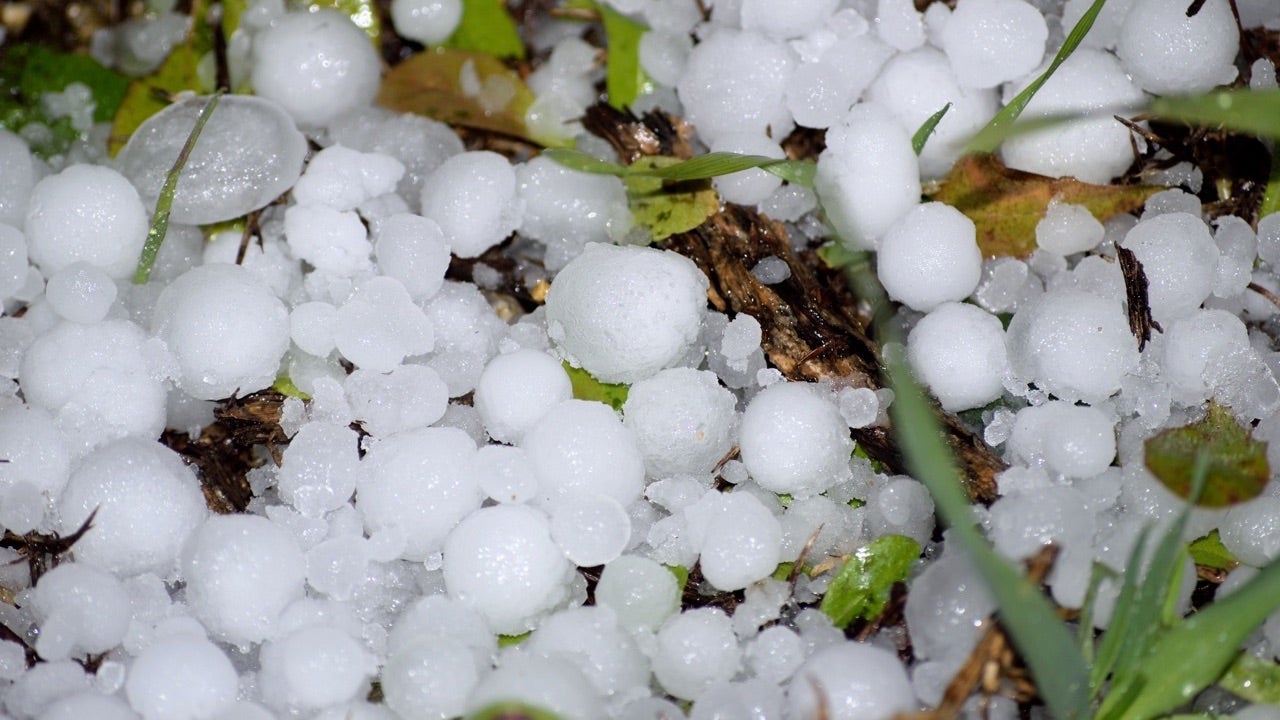
A hailstorm that smashed parts of Victoria's Mallee this week has devastated thousands of hectares of wheat, barley, lentils, canola and other cereal crops.

08.11.2026

Sudan fuel shortages damage crops in El Gezira as food prices soar, bakeries strike in North Kordofan

Fuel shortages and soaring production costs are damaging agricultural crops in Sudan’s El Gezira state, while rising food and transport prices are placing further pressure on household budgets.

08.11.2026

USA - Farm Banks Warn $140 Billion in Government Aid Is Masking Financial Risks

Agricultural lenders warn that $140 billion in emergency farm aid since 2018 may be masking financial risks as producers face rising costs.

08.11.2026

India - Yogi Government Doubles Disaster Death Compensation; Farm Aid Up by a Quarter

The Chief Minister’s Office says the revised norms will reach more than 10 lakh farmers, with higher payouts for crops, cattle, silk, homes and schools.

05.11.2026

Sudan asks insurance companies to fund winter agricultural season

The Sudanese government has urged insurance companies to use deposit surpluses and investments to finance the 2026-2027 winter agricultural season.

05.11.2026

Canada - Saskatchewan harvest now 99% complete: crop report

Harvest has wrapped up across Saskatchewan, with 99 per cent complete and only a few acres of later-seeded crops remaining in the field. Despite the challenges experienced this year, crop yields were consistent with 10-year averages and while many crops graded in the top-quality categories, some downgrading did occur due to late-season rain and pest activity.