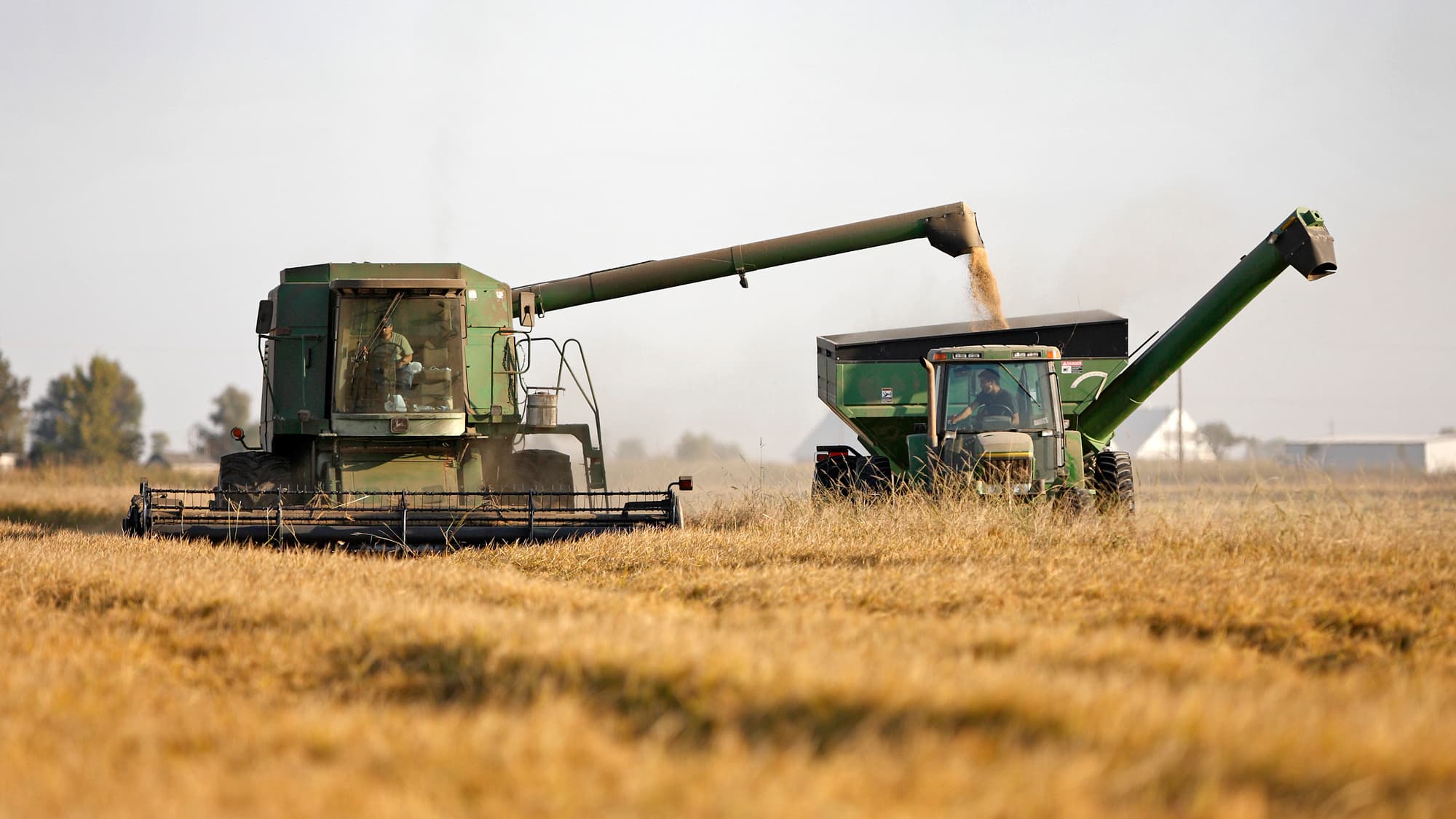
A central theme of the training was the promotion of labour rights and occupational safety, particularly critical in labour-intensive cotton farming.
In a significant push to modernize cotton farming and strengthen labour compliance, the International Labour Organization (ILO) convened a two-day high-level training seminar in Jizzakh, Uzbekistan, bringing together farmers, policymakers, and experts to promote sustainable agriculture, safe labour practices, and financial resilience.
Held on 24–25 March 2026 under the Rise for Impact Project, the seminar aimed to equip farmers with practical tools to improve productivity while ensuring compliance with fundamental principles and rights at work (FPRW).
Strengthening Cotton Sector Reforms and Market Readiness
The seminar comes at a time when Uzbekistan is undergoing major reforms in its cotton sector, shifting toward:
Greater market liberalization
Improved transparency in value chains
Enhanced access to finance and subsidies
Participants received detailed guidance on:
Legal frameworks governing cotton production
Subsidy mechanisms and compliance requirements
Procedures for exchange trading and contract management
These reforms are designed to transition the sector toward a more competitive and globally integrated model.
Focus on Labour Standards and Worker Safety
A central theme of the training was the promotion of labour rights and occupational safety, particularly critical in labour-intensive cotton farming.
Key areas covered included:
Safe handling of agrochemicals and equipment
Protection of workers during peak harvesting seasons
Compliance with national laws and international labour standards
The emphasis on FPRW reflects Uzbekistan's broader efforts to ensure that cotton production is ethical, safe, and free from labour violations.
Climate-Smart Farming and Productivity Gains
Technical sessions provided hands-on training in:
Modern agrotechnologies
Efficient water management, crucial in water-scarce regions
Crop protection and plant care techniques
Experts shared practical solutions to:
Increase yields
Adapt to resource constraints, including water shortages
Improve resilience in the face of environmental challenges
Financial Literacy and Access to Credit
A major highlight was the focus on farm-level financial management, with farmers trained on:
Tracking costs and revenues
Improving financial planning
Using basic digital tools for decision-making
Sessions on financing introduced participants to:
Preferential loans and microcredit schemes
Strategies to improve creditworthiness
Access to formal financial institutions
New Agricultural Insurance Fund Boosts Risk Protection
Particular interest was generated around the newly established Agricultural Insurance Fund under Uzbekistan's Ministry of Agriculture.
Farmers were introduced to:
Crop insurance mechanisms
Eligibility criteria and application processes
Risk mitigation tools to protect against climate and market shocks
This marks a significant step toward building financial resilience in agriculture, especially in a sector vulnerable to environmental risks.
Improving Supply Chains and Market Access
The seminar also addressed operational challenges, including:
Efficient procurement of inputs such as seeds, fertilizers, and fuel
Storage and documentation practices
Access to domestic and export markets
Participants gained insights into:
Maximizing returns through better market positioning
Leveraging new trading platforms and export opportunities
Broad Participation and Knowledge Exchange
The event brought together:
50 farmers from Jizzakh and Syrdarya regions
Representatives of government, academia, and financial institutions
This mix ensured:
Exchange of practical field experiences
Alignment between policy, research, and on-ground implementation
Bridging Science, Policy, and Practice
Leading experts from agronomy, law, finance, and research institutions contributed, providing:
Scientific insights into seed quality and crop breeding
Legal guidance on farmers' rights and obligations
Practical approaches to improving productivity and sustainability
From Training to Action: Planning the 2026 Season
The seminar concluded with a hands-on planning session, where farmers:
Developed production plans for the 2026 cotton season
Integrated lessons on:
Agronomy
Finance
Labour standards
Risk management
This practical approach ensured that knowledge gained could be directly applied in the upcoming farming cycle.
A Step Toward Sustainable and Responsible Cotton Production
The initiative highlights Uzbekistan's broader transition toward:
Sustainable and high-productivity agriculture
Stronger compliance with international labour standards
Improved financial and institutional support for farmers
By combining technical training, financial tools, and labour protections, the programme aims to build a cotton sector that is not only more productive—but also ethical, resilient, and globally competitive.
Source - https://www.devdiscourse.com