


Bangladesh - The role of micro-insurance in agriculture financing
20.04.2016 731 views
Insurance is a crucial financial service for the poor, but it constitutes a much smaller market among poor and low-income populations than credit and savings. Insurance is a fundamentally different type of financial service than savings and credit, requiring different sets of skills, financing delivery and institutional expertise. Thus, design of the insurance product is crucial to get right kind of responses from the poor or low-income classes. Microfinance could help making a savings or financing products attractive to a particular class of people because of their vulnerability in handling particular types of uncertainties. Modern insurance products can substantially reduce the resulting welfare losses; however, much of this potential remains unfulfilled because extending access to basic insurance products among vulnerable populations is not free from challenge. Households in developing economies are exposed to risks that can generate extreme income volatility and design features matter in insurance products. This is particularly true in the case of covariate risks, such as droughts or natural disasters which affect large geographical areas or large segments of the population and are not adequately covered by informal insurance mechanisms. To the agriculture-dependent rural masses, agriculture insurance could help immensely. Traditional agriculture insurance products have been indemnity-based, meaning the company insures against crop loss or damage. The farmer buys insurance up to a given amount of loss, and, if an event materialises that leads to that level of loss, the farmer receives the insurance once the validity of the claim is established. Some recent innovation could prove to be very effective. In recent times, an important innovation in agriculture insurance has been the introduction of index-based insurance products. The problem is that the moral hazard and adverse selection problems involved in this kind of insurance often lead to rationing or high premiums. Index insurance represents a particularly attractive alternative to financial innovations because it eliminates problems of moral hazard. However, understanding the potential benefits that index insurance contracts offer over conventional insurance requires a relatively high level of financial literacy. In a few African countries, farmers have started obtaining benefits by using index-based agricultural insurance products. In Kenya, index-based agriculture insurance product has been successful in protecting farmers against risks from drought or excessive rainfall, both of which can have disastrous effects on the harvest. Most insurance in Kenya is indemnity-based, meaning the company insures against crop loss or damage. This process involves the farmer buying insurance, reporting damage after it occurs, filing a formal claim and receiving a visit from an insurance agent to determine the validity of the claim. After the validity of the claim is established, the farmer receives a payout. The requirement of personal visits to remote, rural areas makes this costly and burdensome for the insurer. Indemnity-based insurance also leaves more room for tampering and fraud on the part of both the farmer and the insurer. The index-based insurance product that covers farmers' inputs in the event of drought or excessive rainfall, was developed by the Syngenta Foundation for Sustainable Agriculture and launched in partnership with Safaricom, the largest mobile network operator in Kenya, and UAP, a large insurance company based in Kenya. The insurance is a tool for farmers to avoid the risks associated with rainfall variability that directly affect their livelihoods. This insurance product is index-based, meaning payouts are determined by comparison to historical, regional rainfall patterns. During the planting season, actual rainfall is measured using a solar-powered weather station in the area. If the rainfall is determined to be too little or too much then there is a payout, the amount of which is based on the deviation from the rainfall index. This is a large departure from indemnity-based insurance, which is based on crop damage after the harvest. The product insures farming inputs, not outputs, and insurance payouts are independent of actual crop damage, meaning a farmer may receive a payout without experiencing crop damage and may not receive a payout when he does have crop damage. From an economic perspective, index-based insurance provides a buffer to protect the farmer against shocks that is similar to having savings. However, savings would be less convenient for weather protection if the farmer has not accumulated sufficient amount to cover his loss in the event of a drought. However, an uninsured farmer would have to compensate for 100 per cent of the losses by borrowing or depleting his savings. In Bangladesh, agricultural activities are the key sources of livelihood for most of the low-income people, and they are common victims of floods and droughts. In regard to the facilitation of agricultural financing in Bangladesh, there are two state-owned agricultural lending specialised banks to offer credit to the agricultural sector. Alongside this, all commercial banks operating in the country are now extending agricultural credit, directly, through regulated microfinance institutions (MFls) or through intermediaries in value chain. Agricultural credit at concessional interest rate is being extended by banks to farmers for growing several crops. Banks get interest subsidy from government through the Bangladesh Bank against loans for supporting production of selected agricultural produce. In spite of some improvements, agricultural credit by banks face several challenges that include delay in loan processing, under valuation of collateral security, lack of motivation of the employees at the field level, and absence of insurance coverage for borrowers. Though the need for microfinance in the agriculture sector is a necessity, formal sector banks and insurance companies do not have any such services. One agricultural insurance product was introduced in the late 1970s by the Sadharan Bima Corporation that could not sustain. A few MFIs in the country are involved in delivering microfinance services on debt insurance to protect microcredit borrowers from indebtedness in case of borrowers' or primary earners' death. Some products of MFIs are also there targeting low-income people of the country. Moreover, generally loans by many MFIs are delivered at the doorstep and the processing time is much shorter as compared to the banks. Alongside handling other limitations, tagging microfinance with agriculture financing product or creation of risk fund to protect borrowers from indebtedness in case of death might be attractive to the rural masses. And very importantly, it is time to move towards index-based insurance products for the agriculture sector to protect farmers from crop damage due to drought, flood and risks associated with other natural calamities.
Dr. Shah Md Ahsan Habib is Professor and Director (Training), Bangladesh Institute of Bank Management (BIBM).
Source - thefinancialexpress-bd.com
EVENTS

ScaleAgData Stakeholder Engagement Event
22.10.2024The ScaleAgData project is pleased to invite you to our second stakeholder event. Building on the discussions and connections formed during our first webinar, this event will focus on fostering collaboration among stakeholders, providing updates on our project’s progress, and outlining future opportunities for engagement.
RISK EVENTS

Moldova - May frosts caused heavy damage to fruit orchards
10.05.2026The first frosty nights of May have significantly worsened estimates of damage to Moldova's fruit sector from spring frosts. According to initial assessments by fruit market operators, between a quarter and a third of the country's total orchard area was seriously affected.
25.10.2026

Dominican Republic - Tornado and rain cause crop damage in Valverde
A gust of wind described by producers and agricultural authorities as a small tornado caused considerable damage to banana and plantain plantations in Valverde province, where heavy rains on Wednesday afternoon affected hundreds of acres of crops and threaten the income of farmers in the area.
25.10.2026
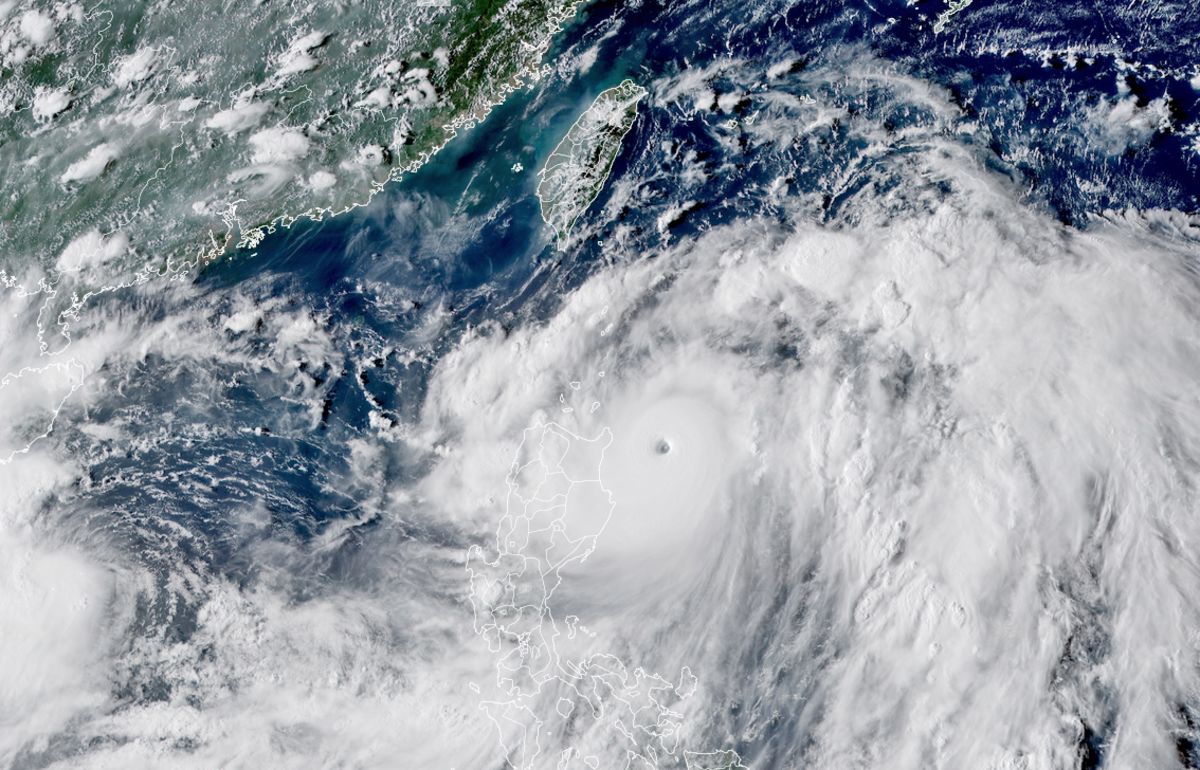
Taiwan - Typhoon Champi causes NT$133 million in agricultural losses
Yunlin accounts for 82% of estimated damage, with garlic hit hardest.
25.10.2026
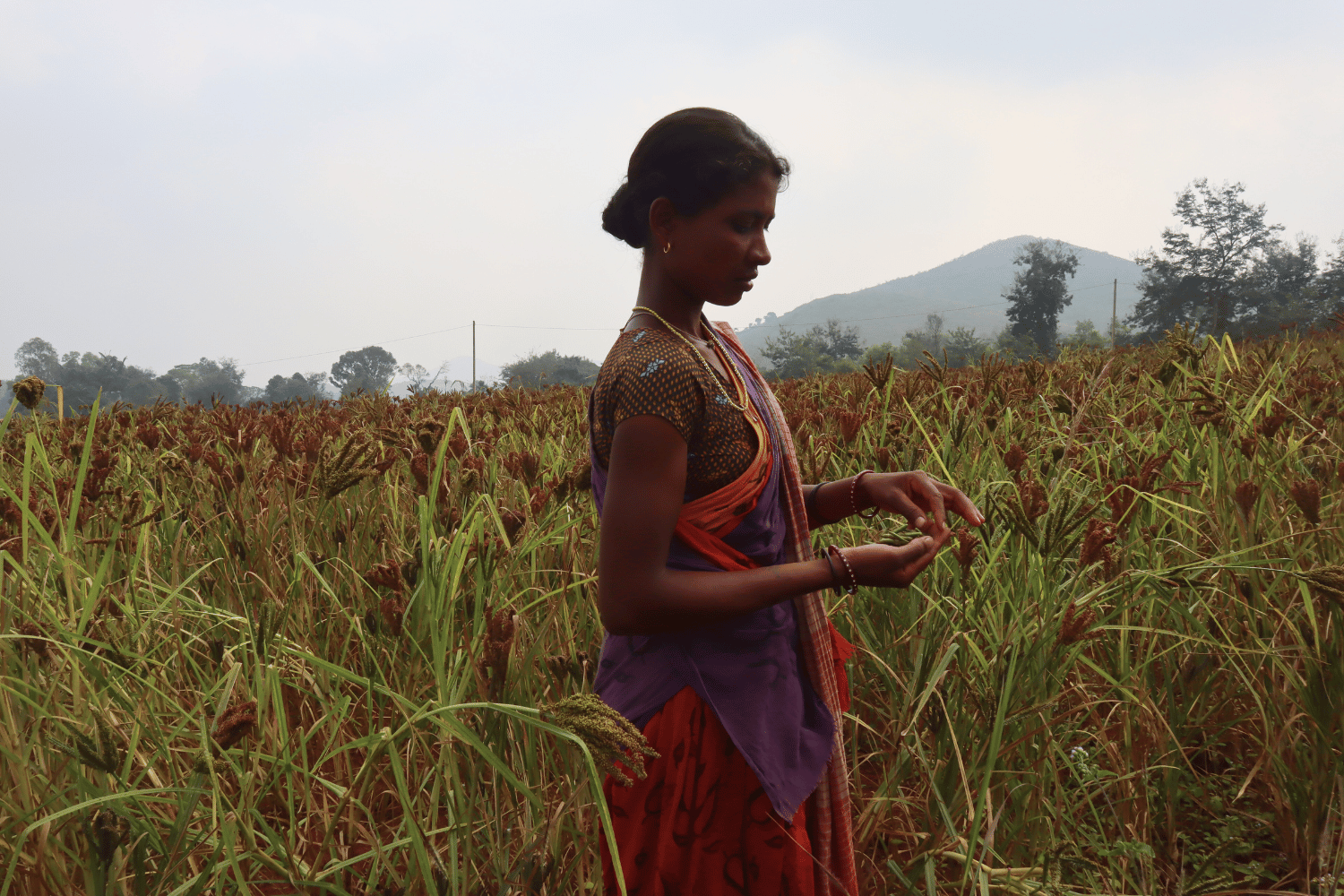
Financial safety nets and smart farming are key to climate resilience for farmers in India’s drylands
Financial inclusion, crop insurance, and public work programs are bridging the resilience gap for marginal farmers in India’s drylands, proving that institutional support matters more than farm size.
25.10.2026
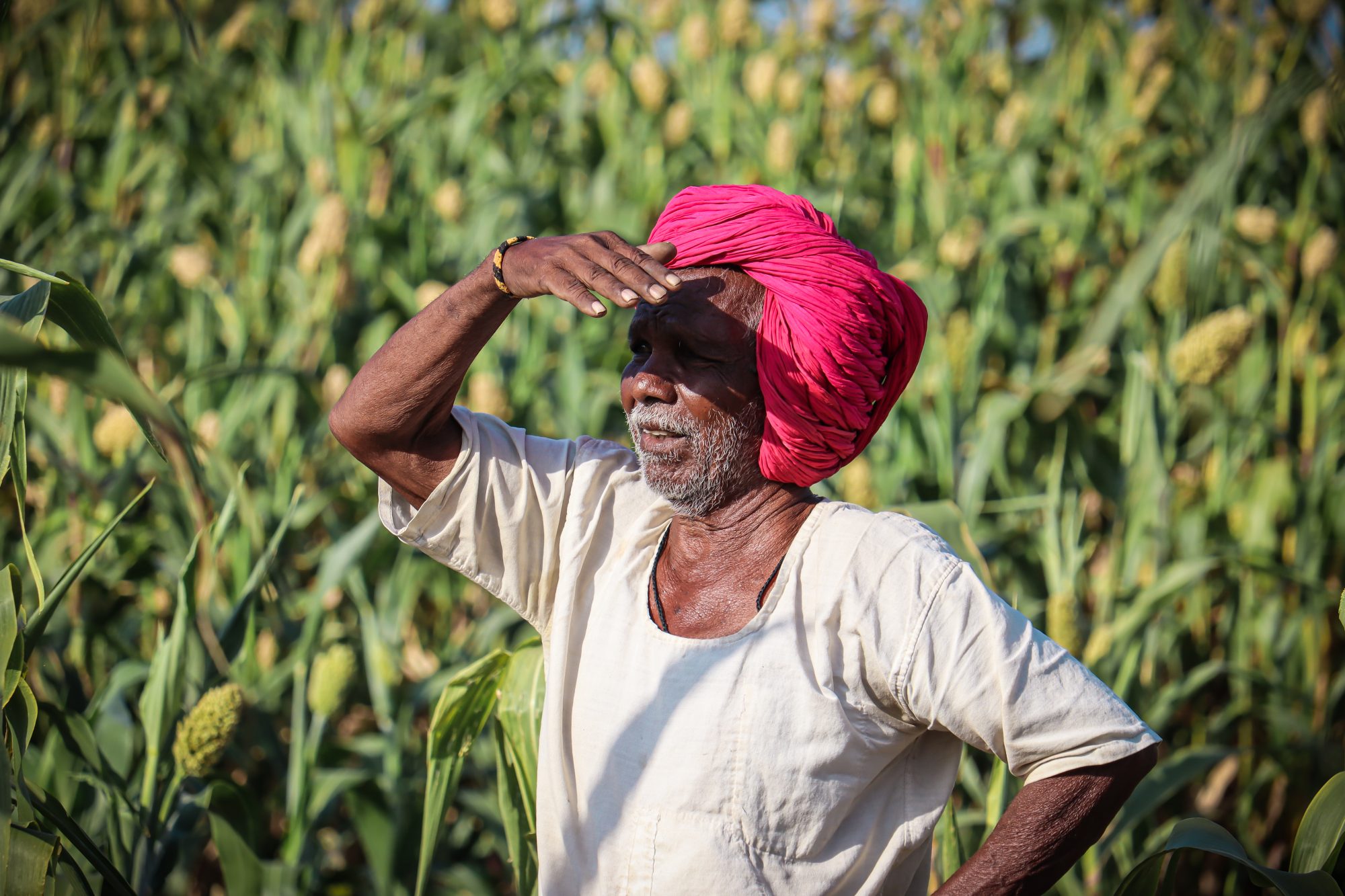
India - MP Irrigation Project to Benefit 72,000 Farmers
Madhya Pradesh has launched a ₹2,387-crore irrigation project for 260 villages in Dhar and Jhabua, targeting 57,422 hectares and 72,000 farmers.
25.10.2026
Southeast Asian haze cuts vegetable supplies and raises prices in Singapore
Prolonged haze across Southeast Asia is affecting vegetable imports into Singapore, with wholesalers reporting reduced supplies, smaller crops, and higher prices. Reduced sunlight is limiting photosynthesis and slowing crop growth.
25.10.2026

Camellia warns of trading loss as costs rise and crop prices weaken
Camellia expects a trading loss of £3 million to £5 million for 2026, reversing last year’s £1 million trading profit as rising costs and weaker avocado and macadamia prices squeeze the agricultural group.
22.10.2026

USA - Cotton Producers Face New ARC PLC Decision Deadline
The special provision giving producers the higher of ARC or PLC for 2025 will not continue next year.
22.10.2026

Pakistan - Punjab unveils £300,000 climate-resilient agriculture project for Cholistan and Thal
The Government of Punjab announced a 300,000-pound pilot project to establish climate-resilient agriculture across arid desert regions. The 12-month targeted initiative specifically focuses on farming communities operating within the vulnerable Cholistan and Thal desert ecosystems.
