


Belgium - Every last uncovered cherry's been ruined
20.07.2021 1040 views
There has been a deluge of rain in Belgium recently. It's had disastrous consequences for the fruit and vegetable farming sector. The damage to cherries and full soil fruit and vegetables, in particular, has been immense.
"There's been a tremendous amount of rain in the heart of Belgian cherry-growing country. In Limburg, the entire uncovered crop has been destroyed," says Peter Durlet of Depa-Fruit. "When it rains this much, the cherries absorb the water and then split."
"Cherries are delicate, and many things can go wrong. And things are going very wrong right now. Everything's soaked. Whether it's climate change or not - I've never seen so much rain. And there's nothing we can do about it."
The top fruit crops seem to have remained mostly unscathed for now. Besides cherries, the rain has affected mainly open field fruit vegetables. The huge amounts of rains have flooded entire plots.
Covered cultivation
"In Belgium, it's not yet customary to cover fruit trees," says cherry grower Leon Vets. "I started using roller systems a few years back. And, fortunately, that has helped. The damage to the covered crops was limited. But it must stop raining. The increased root pressure will make the cherries split."
Vilt reports that farmers near Maastricht [in the Netherlands] were particularly hard hit. Rivers burst their banks. And some fields are under up to a meter of water. That's disastrous for crops. Many strawberry and soft fruit plots didn't survive.
Mudslides in Wallonia
Wallonia, in Belgium, has suffered extensive damage. That's according to the Walloon Agricultural Association. Vily says farms have been flooded. Entire fields of crops have been washed away too. The water's been running downstream in the hill areas. But it's taking the soil with it, eroding the soil. So growers have still lost many crops.
Source - https://www.freshplaza.com
EVENTS

ScaleAgData Stakeholder Engagement Event
22.10.2024The ScaleAgData project is pleased to invite you to our second stakeholder event. Building on the discussions and connections formed during our first webinar, this event will focus on fostering collaboration among stakeholders, providing updates on our project’s progress, and outlining future opportunities for engagement.
RISK EVENTS

Moldova - May frosts caused heavy damage to fruit orchards
10.05.2026The first frosty nights of May have significantly worsened estimates of damage to Moldova's fruit sector from spring frosts. According to initial assessments by fruit market operators, between a quarter and a third of the country's total orchard area was seriously affected.
26.10.2026
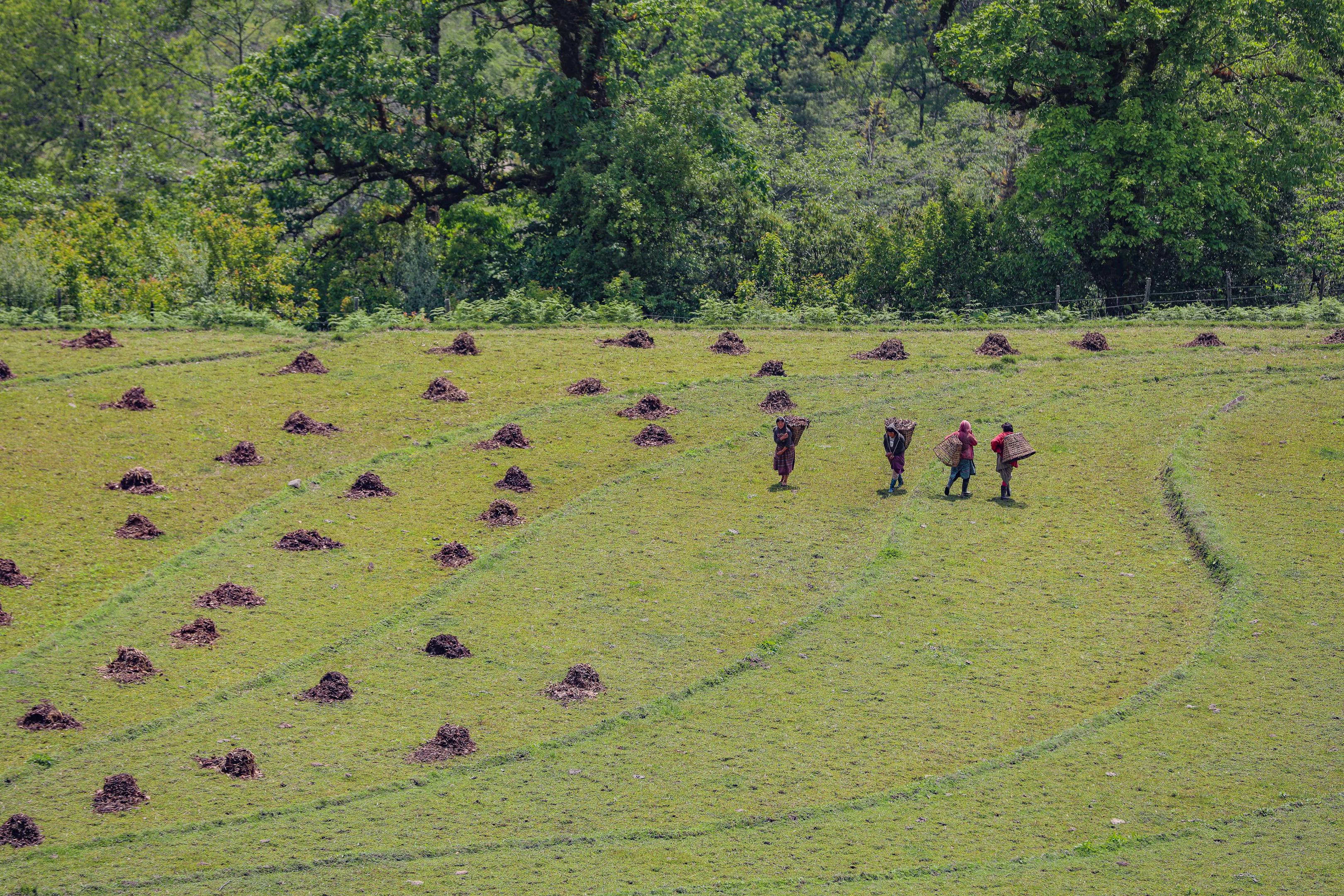
Malaysia studies expanding crop insurance to other agricultural sectors
The government is assessing steps to expand the crop insurance scheme as the agricultural sector faces increasingly significant risks from natural disasters and extreme weather. A comprehensive study is needed before the scheme can be extended beyond rice crops, including to examine how premiums should be paid and losses assessed.
26.10.2026
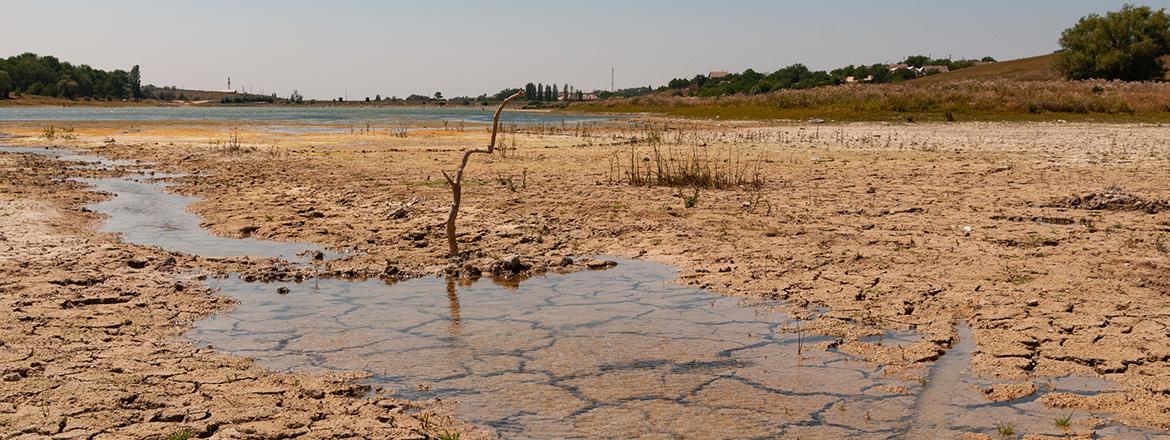
Crop losses from recurring droughts ‘shrinking Poland’s economy and impacting businesses’
A new report has found that lower crop yields significantly affect industries beyond agriculture, including trade and transport.
26.10.2026

Australia - Starving flying foxes target banana, berry farms on NSW Mid North Coast
Tens of thousands of bananas will not make it onto supermarket shelves as flying foxes decimate crops on the NSW Mid North Coast.
26.10.2026
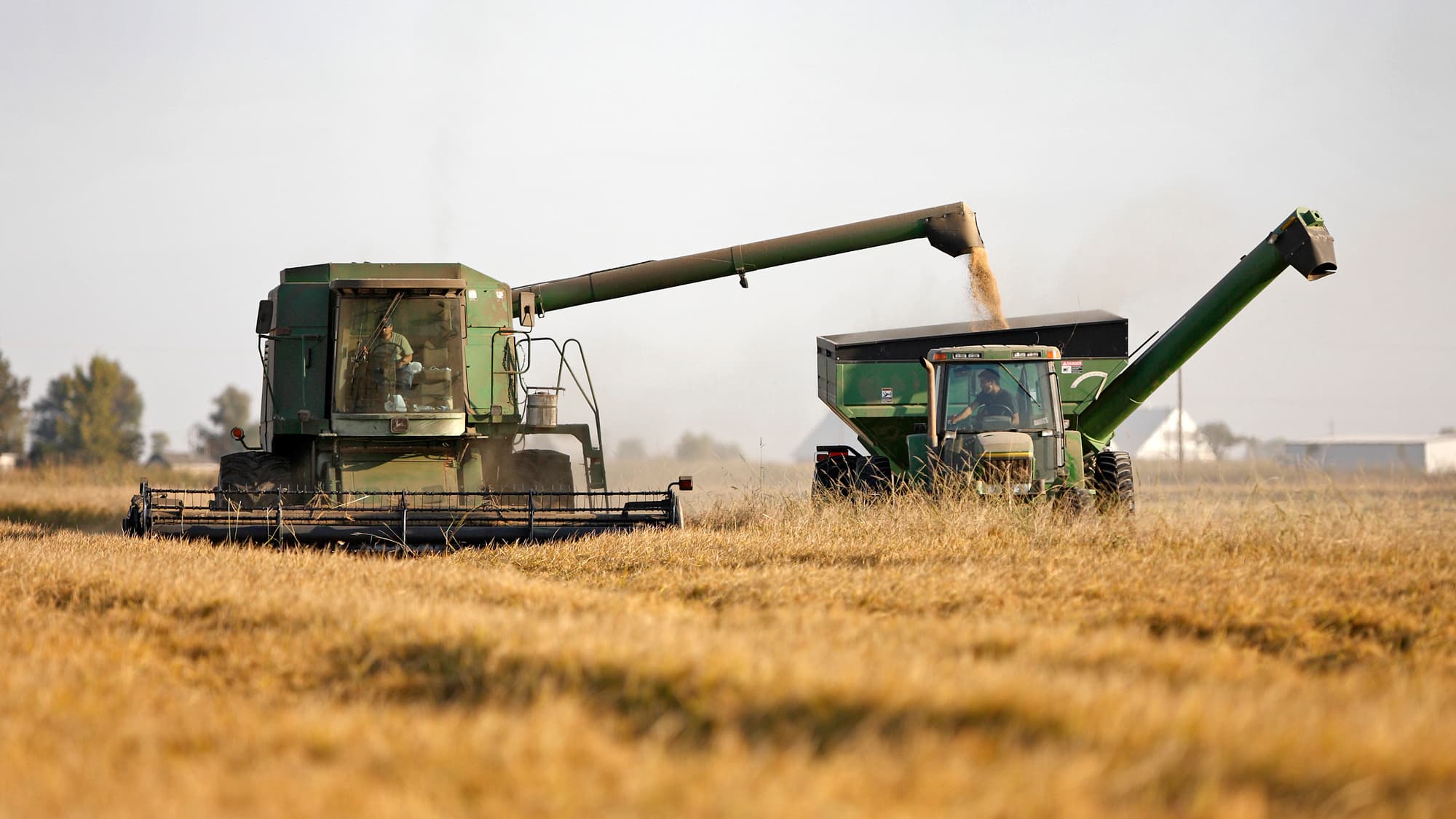
USA - RMA Reminds Producers of Important Crop Insurance Deadlines
The U.S. Department of Agriculture (USDA) reminds agricultural producers that the final date to apply for or make changes to their existing crop insurance coverage is quickly approaching for winter planted crops, perennials, shellfish and Pasture, Rangeland, Forage (PRF). Sales closing dates vary by crop and location, but the next major deadlines are Nov. 20, Nov. 30, Dec. 1 and Jan. 31.
26.10.2026
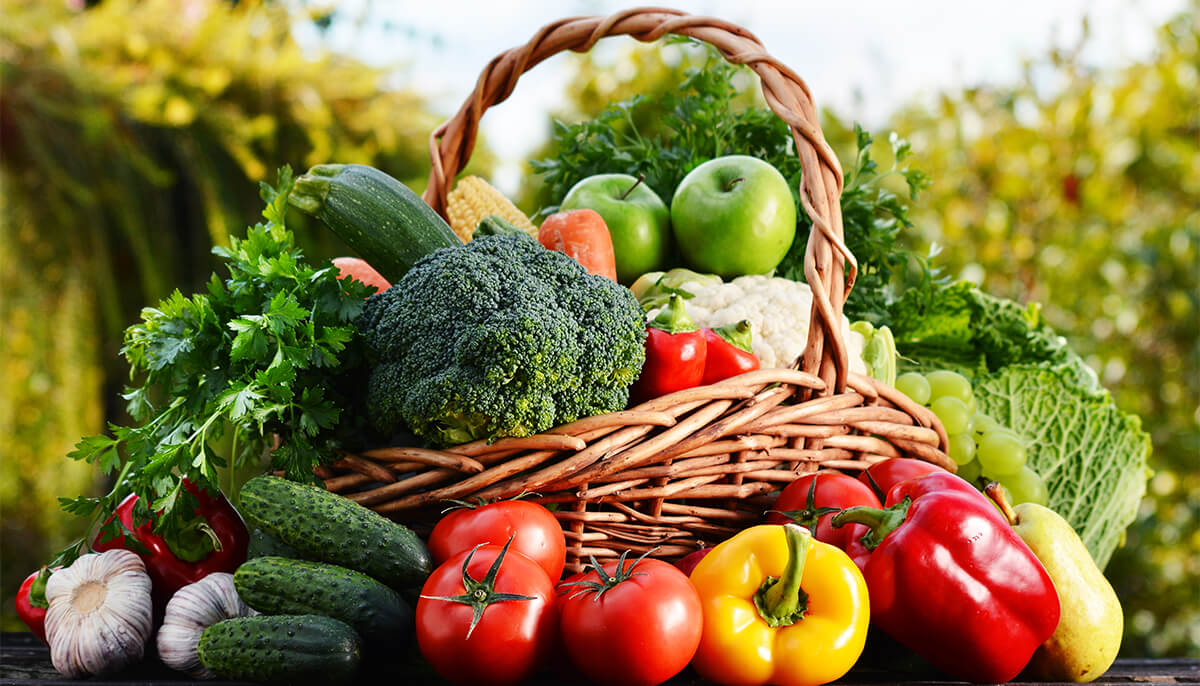
Moroccan produce sector welcomes plan for regional distribution companies
Morocco's fresh produce industry, through FIFEL, has welcomed the government's plan to create fresh produce marketing companies. Last Friday, Minister of Economy and Finance Fouzi Lekjaa told the House of Representatives' Finance and Economic Development Committee that the government intends to set up six regional companies for aggregation and marketing in the country's main agricultural basins, under the Generation Green 2020-2030 strategy.
26.10.2026
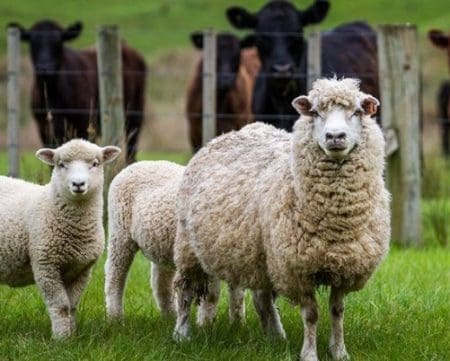
UK - Man arrested after £28,000 paid out for allegedly stolen sheep
Police are investigating suspected fraudulent insurance claims involving more than 650 allegedly stolen sheep, with £28,220 already paid out and a further £64,800 claim blocked.
25.10.2026

Dominican Republic - Tornado and rain cause crop damage in Valverde
A gust of wind described by producers and agricultural authorities as a small tornado caused considerable damage to banana and plantain plantations in Valverde province, where heavy rains on Wednesday afternoon affected hundreds of acres of crops and threaten the income of farmers in the area.
25.10.2026
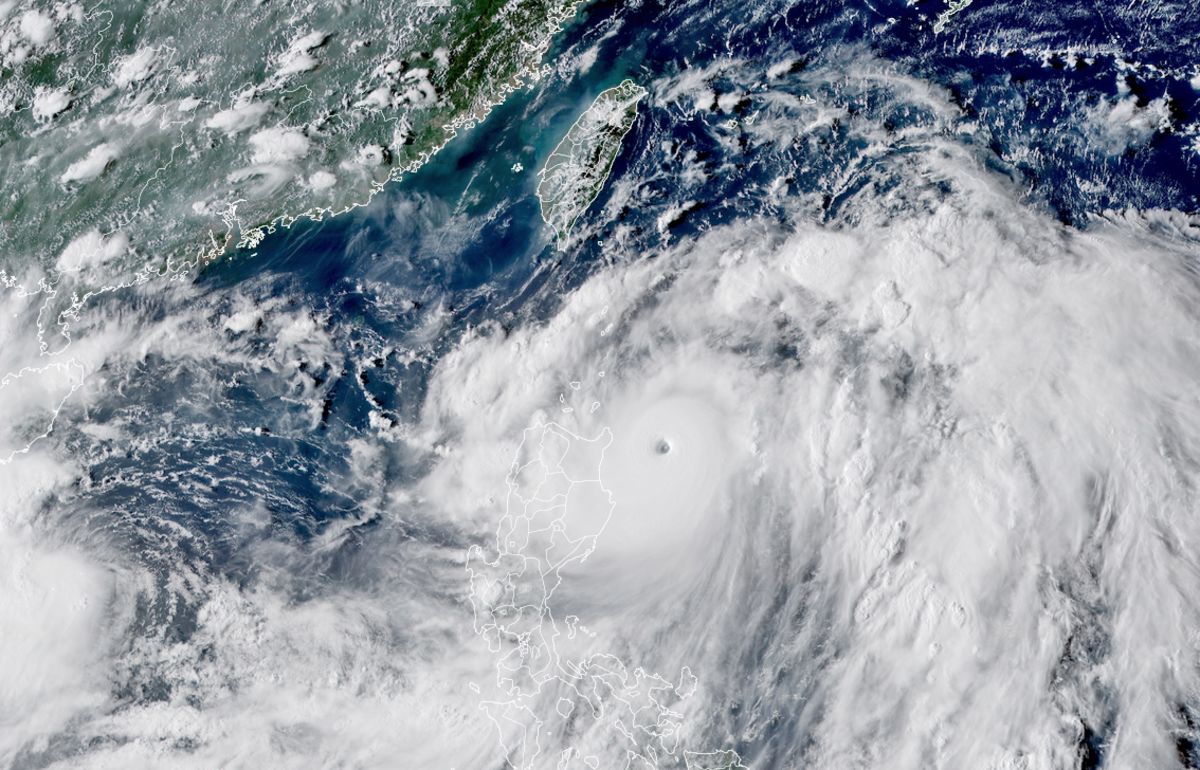
Taiwan - Typhoon Champi causes NT$133 million in agricultural losses
Yunlin accounts for 82% of estimated damage, with garlic hit hardest.
