

Canada - Don’t forget crop insurance quality factors
07.10.2016 292 views
Crop insurance quality factors are going to be important this year, particularly in Saskatchewan.
High fusarium levels in durum, badly downgraded lentils and frost-damaged chickpeas could put producers in a claim position even if their overall yield is higher than their production guarantee.
In 2014, Saskatchewan Crop Insurance’s quality factor for durum with more than 10 percent fusarium was .1.
It meant that a 40 bushel per acre durum crop designated as salvage account-fusarium was reduced to just four bu. per acre for crop insurance purposes (40 x .1).
The quality factors are set each year based on a survey of market prices, which compares the market prices of various grades to the current price for the base grade of the particular grain. In the case of durum, the base grade is No. 2 with 11.5 percent protein.
The quality factors aren’t determined and announced until December. A large number of grade separations are deployed to try to be as accurate as possible, but prices vary widely, especially on lower quality product, so this isn’t an exact science.
It’s important to note that it isn’t the grade you received that matters if you’ve already sold your grain when your claim is processed — it’s the price.
For example, let’s say the market price for the base grade of durum is $6 a bushel. Your durum has high fusarium and you sell it for $3 a bushel. Your quality factor becomes .5, meaning that your yield is cut in half for purposes of determining whether you’re in a claim position.
It can often be to a producer’s benefit to hold off on marketing grain until after samples are taken and graded by crop insurance. Your quality factor could end up as a higher number than what the grading specifications would indicate if you clean your grain and manage to upgrade it or if you’re able to do a better than average job of marketing.
Markets tend to develop and improve for severely damaged grain as the crop year progresses. There’s no guarantee, but in many cases, if you’re in a claim position, you’ll receive a more lucrative quality factor from crop insurance if it is grading your samples rather than just going by your sales results.
You won’t see that advice at saskcropinsurance.com, but the website does have a full explanation of how quality factors work, complete with examples. The site also has lists of quality factors for insured crops from previous crop years.
Historic grading factors may be interesting to look at, but grading factors for this year are a work in progress. There’s often little fanfare when they are finally determined each December, but in a year such as this, those numbers will have a large impact on crop insurance payouts.
Many producers don’t have a solid grasp of their crop insurance coverage, and this is particularly true as it relates to quality coverage. Like most topics, people often don’t become interested until it matters to them directly.
However, if you have significant quality issues on one or more of your crops, remember that quality factors could put you in a claim position even if your yield is higher than your guarantee.
Secondly, capture any advantages of superior marketing and/or grain upgrading by not selling your grain before it’s graded by crop insurance.
Source - http://www.producer.com
EVENTS

ScaleAgData Stakeholder Engagement Event
22.10.2024The ScaleAgData project is pleased to invite you to our second stakeholder event. Building on the discussions and connections formed during our first webinar, this event will focus on fostering collaboration among stakeholders, providing updates on our project’s progress, and outlining future opportunities for engagement.
RISK EVENTS

Moldova - May frosts caused heavy damage to fruit orchards
10.05.2026The first frosty nights of May have significantly worsened estimates of damage to Moldova's fruit sector from spring frosts. According to initial assessments by fruit market operators, between a quarter and a third of the country's total orchard area was seriously affected.
04.06.2026

India - Delhi raises crop damage compensation after 10 years by over 50% to Rs 75,000 per hectare
In a major relief for farmers, the Delhi government has increased compensation for crop loss caused by rain and hailstorms from Rs 20,000 per acre to Rs 75,000 per hectare.
04.06.2026

Why Tech-Driven Agro-Insurance Has Stumbled in Ethiopia
For decades, Ethiopia’s agricultural sector has remained trapped in a dangerous paradox.
04.06.2026
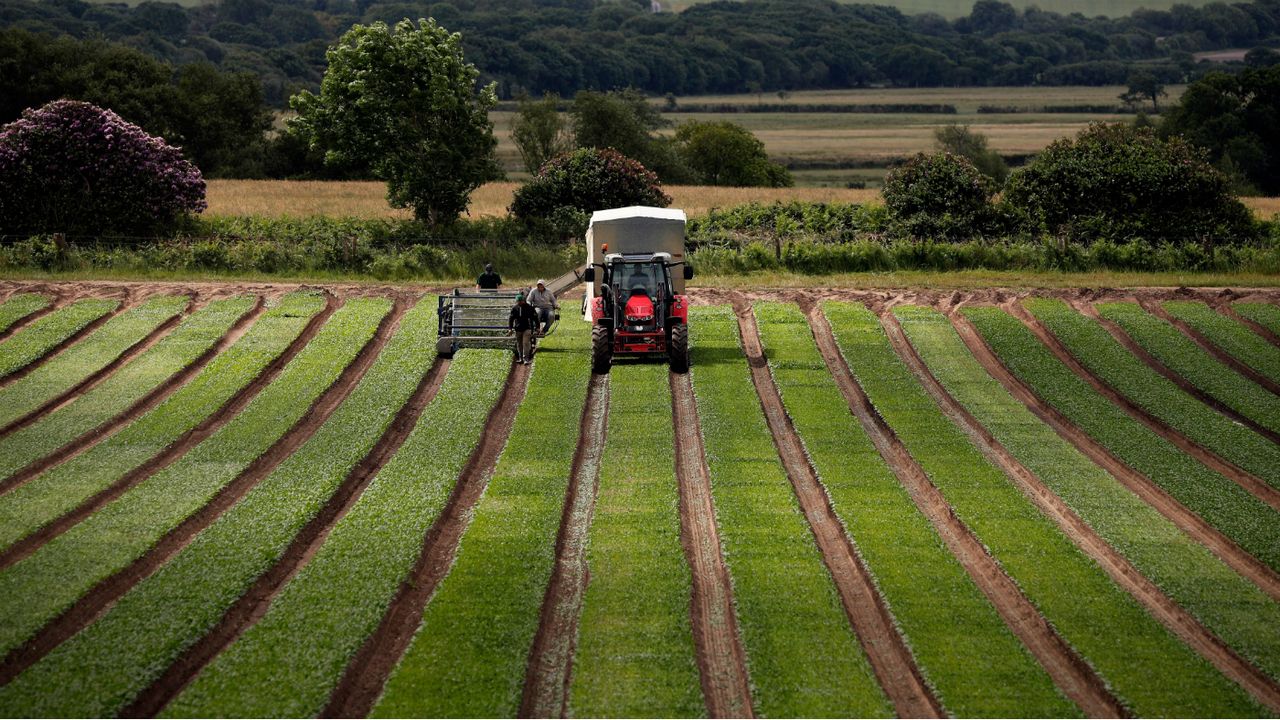
UK - Rural crime cost Wales £2.2m last year despite fall in offences
Rural crime cost Wales an estimated £2.2 million last year, with organised criminals continuing to target tractors, livestock and farming equipment despite an overall fall in offences, according to a new report.
04.06.2026

Kenyan Agro-Insurance Startup, Pula Raises US$ 20 Million in Series B Round
Pula, a Kenyan startup that offers insurance to small-scale farmers, aims to serve more than 100 million farmers in Africa after raising US$ 20 million in its Series B round.
04.06.2026
USA - USDA announces $52M to boost public access to private lands for hunting, fishing
The U.S. Department of Agriculture is announcing $52 million to help state and tribal governments encourage private landowners to allow public access to their land for hunting, fishing and other wildlife-dependent recreation through the Voluntary Public Access and Habitat Incentive Program (VPA-HIP).
04.06.2026

Hope Grows in Malawi’s Grain Stores as Farmers Battle Post-Harvest Losses
Some grain rots in poorly ventilated storage. Some is eaten by pests. Some is damaged during drying or transportation before it ever reaches the market.
03.06.2026
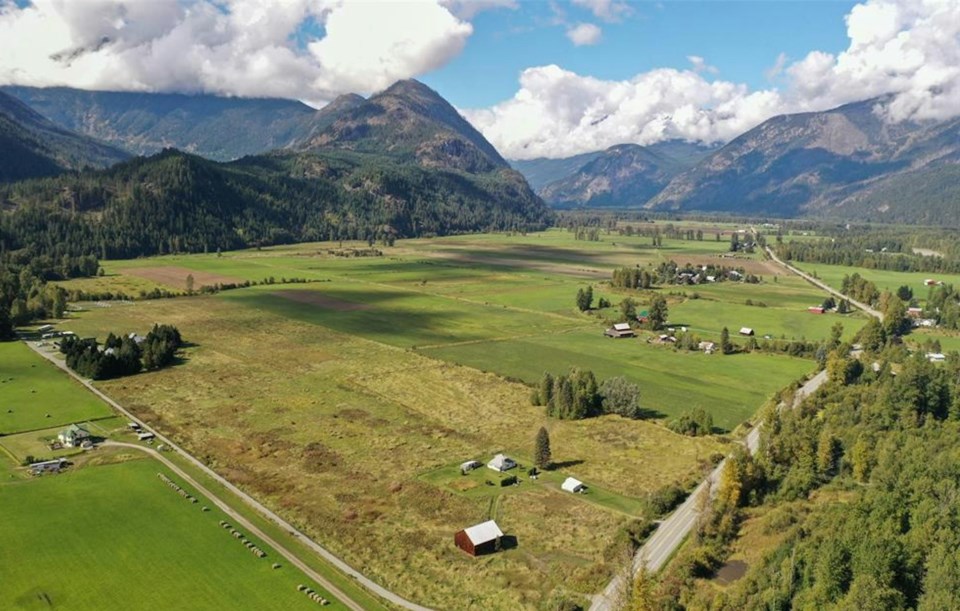
Canada - AFSC extends several northern Alberta seeding dates for 2026
Alberta’s Agriculture Financial Services Corp. (AFSC) is extending the recommended seeding dates in the province’s northeast, northwest and Peace regions for several crops for the 2026 growing season only.
03.06.2026

India - Elephants run amok in Konaje agricultural farm, cause massive crop damage
A herd of elephants, including calves, wreaked havoc on an agricultural farm belonging to Yashodhara Gowda at Pallattadka in Konaje village of Kadaba taluk.
