

Canada - Ranchers hoping for help as 'severe drought' strikes Saskatchewan
13.06.2019 1333 views
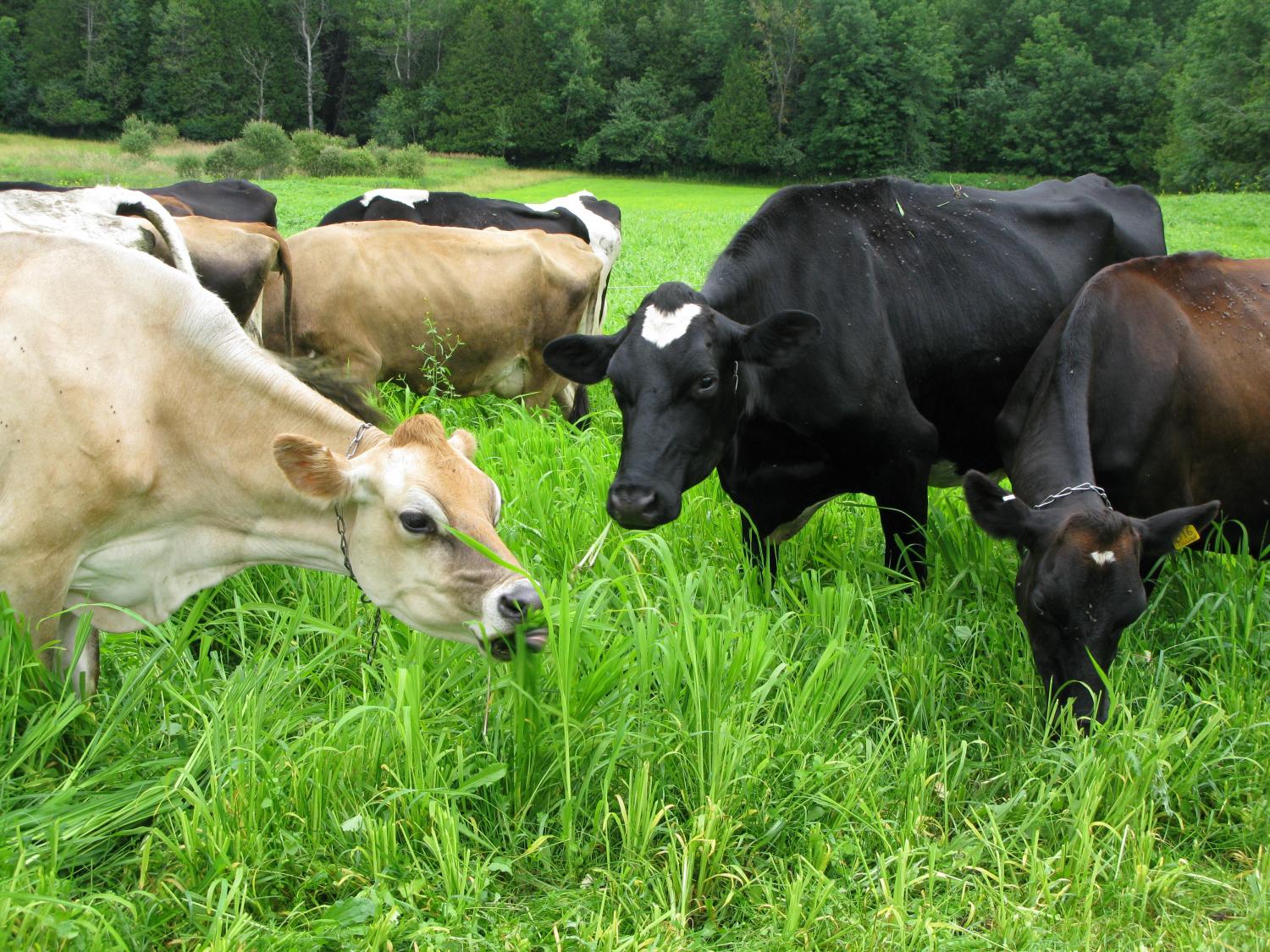
A severe drought has settled over wide expanses of Saskatchewan, and rain-starved ranchers are hoping governments will come to their aid.
The Agricultural Producers Association of Saskatchewan (APAS) put out a call for the provincial and federal governments to “help mitigate the impact of extremely dry conditions.” According to APAS president Todd Lewis, the widespread drought is hitting cattle producers especially hard.
There’s still time to grow a good crop, Lewis said, but animals need to eat and drink now. Pastures are already in bad shape from the lack of moisture.
“The hay crop and forages are in very poor condition in a large portion of the province,” he said. “It’s a serious situation.”
Lewis said record-low rainfall in some areas has done little to replenish soils left parched by two previous years of below-average moisture. He said this year is worse than last year, partly because the grasses were already “grazed hard” in 2018.
“It’s very common to hear about sloughs that have dried up and water bodies that haven’t been dry for decades,” he said. “They are dry now.”
Chad MacPherson of the Saskatchewan Stock Growers Association agreed that it’s “starting to get critical.” He called the hay crop “fairly dismal” and said ranchers may soon have to make tough decisions about whether they want to buy feed at inflated prices, relocate their animals or even downsize their herds.
The hardest hit areas are around Saskatoon and Moose Jaw. Both are marked as being in “extreme drought” in the federal Agriculture Ministry’s Canadian Drought Monitor. A much wider expanse of the province is in “severe drought,” according to the monitor.
APAS is calling on the provincial government to help producers with water supply and fences for new grazing lands, while also creating a drought committee to keep an eye on conditions. It’s asking Ottawa to provide federal drought assistance, notably through a livestock tax deferral program.
“We can’t just keep hoping for rain,” Lewis said. “It is time to act.”
APAS also wants the Saskatchewan Crop Insurance Corporation (SCIC) to encourage farmers to convert drought-damaged cereal crops into animal feed.
MacPherson agreed that it could be helpful for SCIC to improve flexibility for farmers hoping to work together with their neighbours.
APAS is also hoping to see Crown land opened for grazing, as well as vacant lands managed by groups like Ducks Unlimited.
Ducks Unlimited expects that about 40,000 acres of its lands will be available for hay or grazing this year, according to a statement provided to the Leader-Post. It said it currently has 68 parcels up for tender, while adding that some lands may look vacant but are actually being saved for future years.
In a statement, the province responded by pointing to existing programs through AgriStability and SCIC. It also pointed to an existing Farm and Ranch Water Infrastructure Program, which helps farmers develop sustainable water supplies. The government said it will closely monitor moisture, crop and forage conditions.
It also pledged to “assess conditions and work with the federal government to consider designations under the livestock tax deferrals.” Agriculture and Agri-Food Canada responded in a statement that it is currently working with the provinces to evaluate the impact of the drought and will designate any regions that meet the requisite conditions.
MacPherson said the tax deferrals can give ranchers the grace period they need to cope with a severe drought, since some could be selling animals at a significant loss.
Source - https://leaderpost.com
EVENTS

ScaleAgData Stakeholder Engagement Event
22.10.2024The ScaleAgData project is pleased to invite you to our second stakeholder event. Building on the discussions and connections formed during our first webinar, this event will focus on fostering collaboration among stakeholders, providing updates on our project’s progress, and outlining future opportunities for engagement.
RISK EVENTS

Moldova - May frosts caused heavy damage to fruit orchards
10.05.2026The first frosty nights of May have significantly worsened estimates of damage to Moldova's fruit sector from spring frosts. According to initial assessments by fruit market operators, between a quarter and a third of the country's total orchard area was seriously affected.
15.10.2026
USA - New Legislation Would Expand LRP Insurance for Cattle Producers
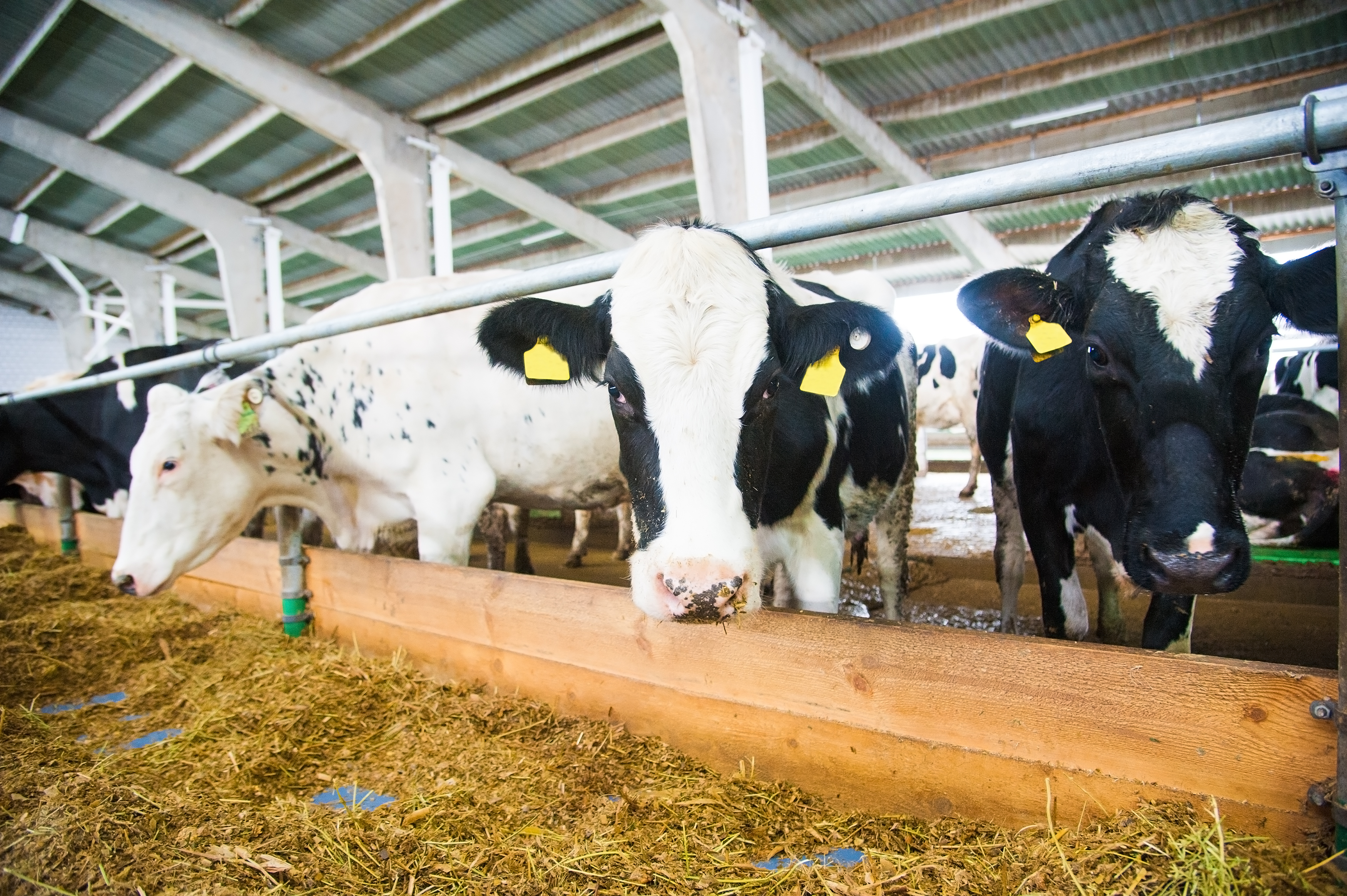
New legislation introduced in Congress aims to give cattle producers additional tools to manage financial risk as the U.S. begins to rebuild its cattle herd, which remains at its lowest level in decades.
15.10.2026
Spain - Agricultural insurance approaches 1.800 million in Catalonia in 2025, according to Agroseguro.
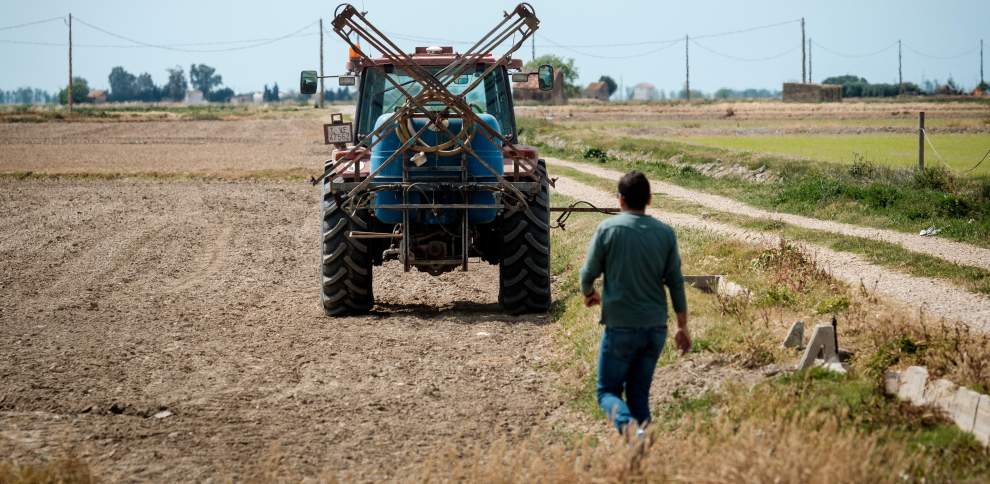
Agricultural insurance in Catalonia approaches 1.800 million insured in 2025 and Agroseguro expects lower claims and more contracts in 2026.
15.10.2026
SECP chief proposes national agricultural spot market to curb crop losses in Pakistan
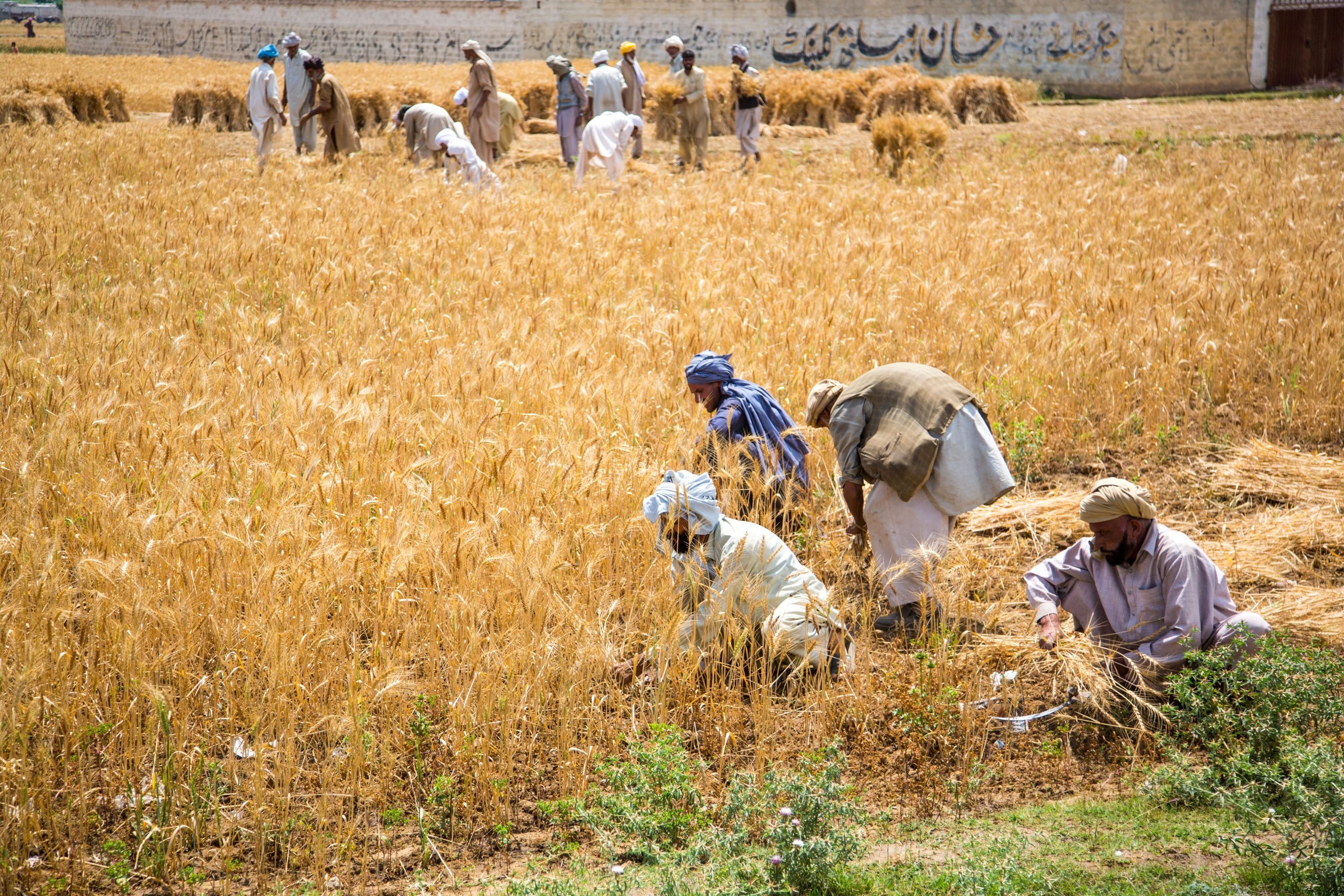
Pakistan produces about 55.7 million metric tons of storable dry agricultural commodities, yet approved warehouses can hold only 326,000 metric tons.
15.10.2026
Canada’s farmers and crop quality assessors confront damage after wet harvest
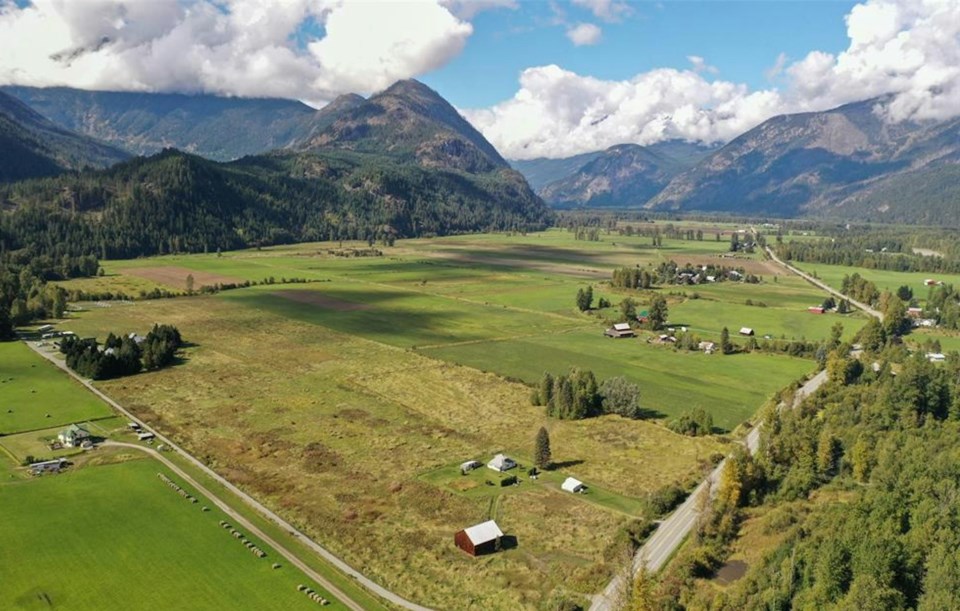
Canada’s farmers struggled to harvest this year’s crops due to an unseasonably wet September, and farmers and crop quality assessors reported damage to pulse crops and spring wheat in one of the world’s top-five world wheat exporters.
15.10.2026
USA - Iowa farmers can get crop insurance discount for planting cover crops
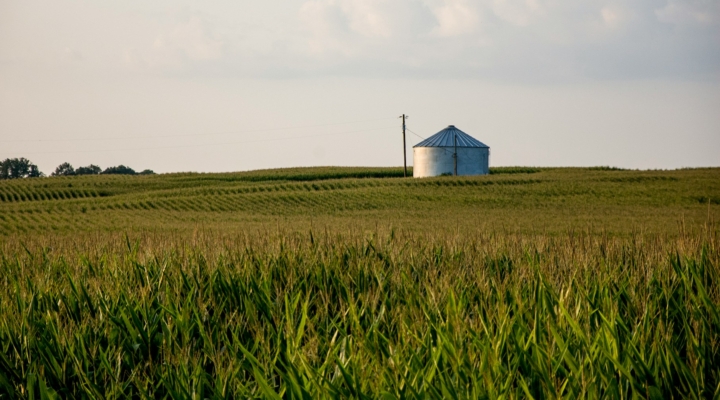
Iowa farmers who plant eligible cover crops this fall can receive a $5-per-acre discount on their 2027 crop insurance premiums through a state program.
15.10.2026
South Africa - Swartland Wheat Producers in Trouble: Farmers Cannot Carry Climate Risk Alone
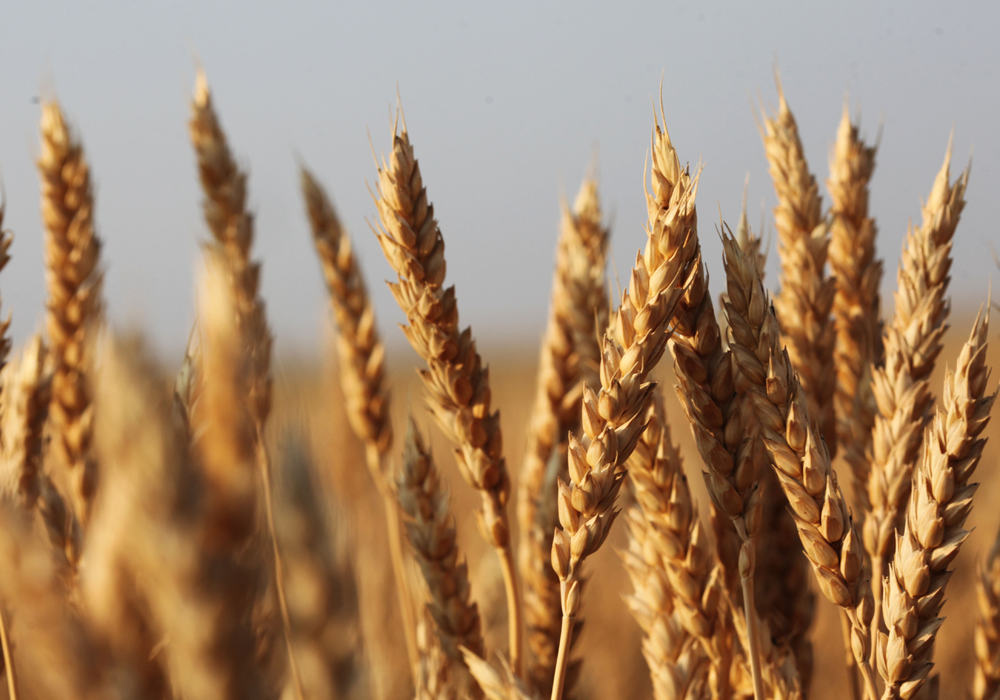
Grain SA calls for urgent government action on affordable crop insurance as severe rainfall shortages threaten the Swartland wheat crop and South Africa’s production capacity.
14.10.2026

India - Rajasthan set to formulate its first dedicated state veterinary policy
A ‘State Veterinary Policy’ is on the cards in Rajasthan, a senior official in the animal husbandry department said.
14.10.2026
USA - USDA Expands Crop Insurance Options for Olive Growers in Select California Counties
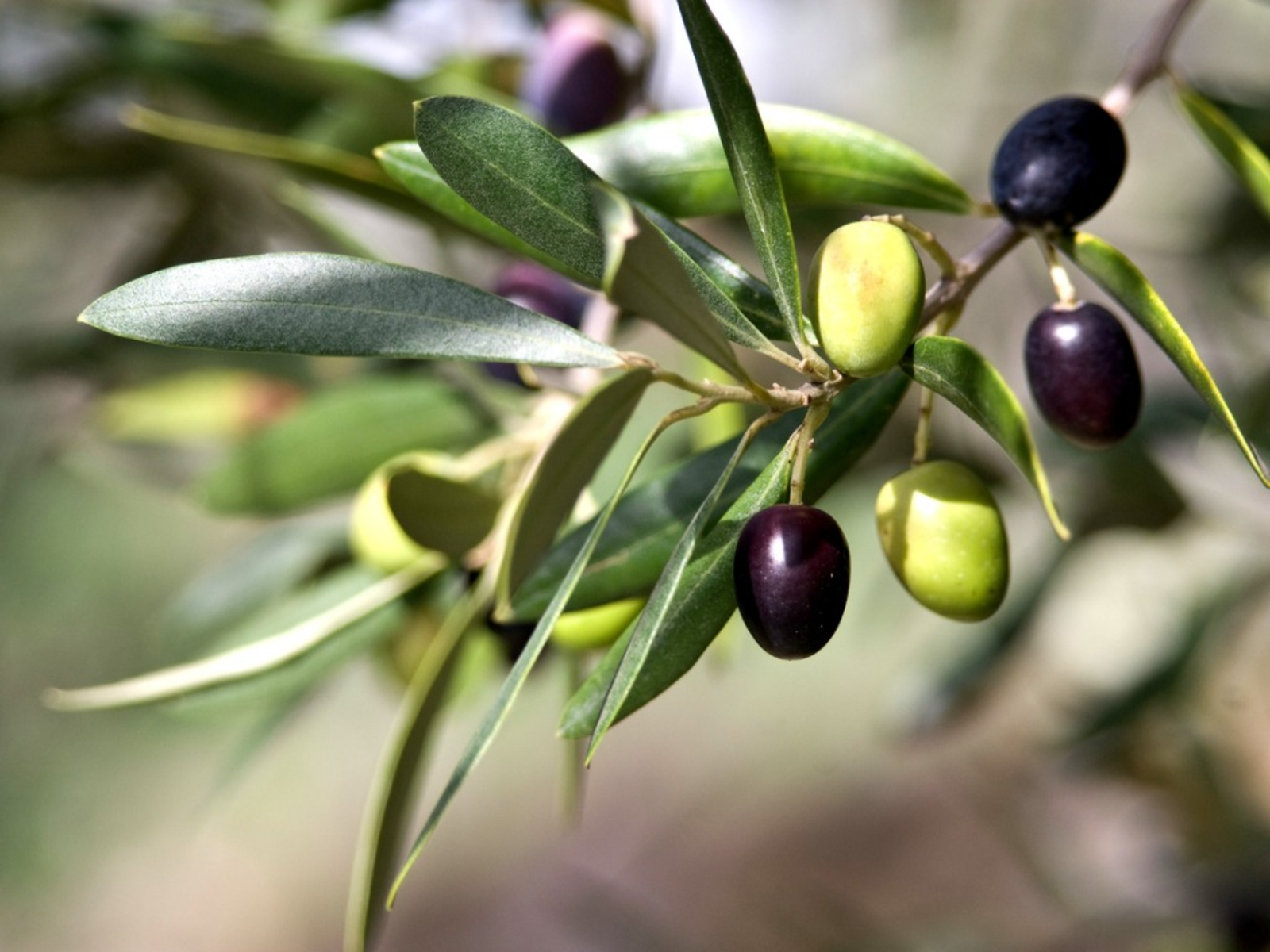
The U.S. Department of Agriculture’s (USDA) Risk Management Agency (RMA) is expanding coverage for California olive growers, making insurance coverage available for the oil olive type in Alameda, Monterey, San Luis Obispo and Yuba counties.
