

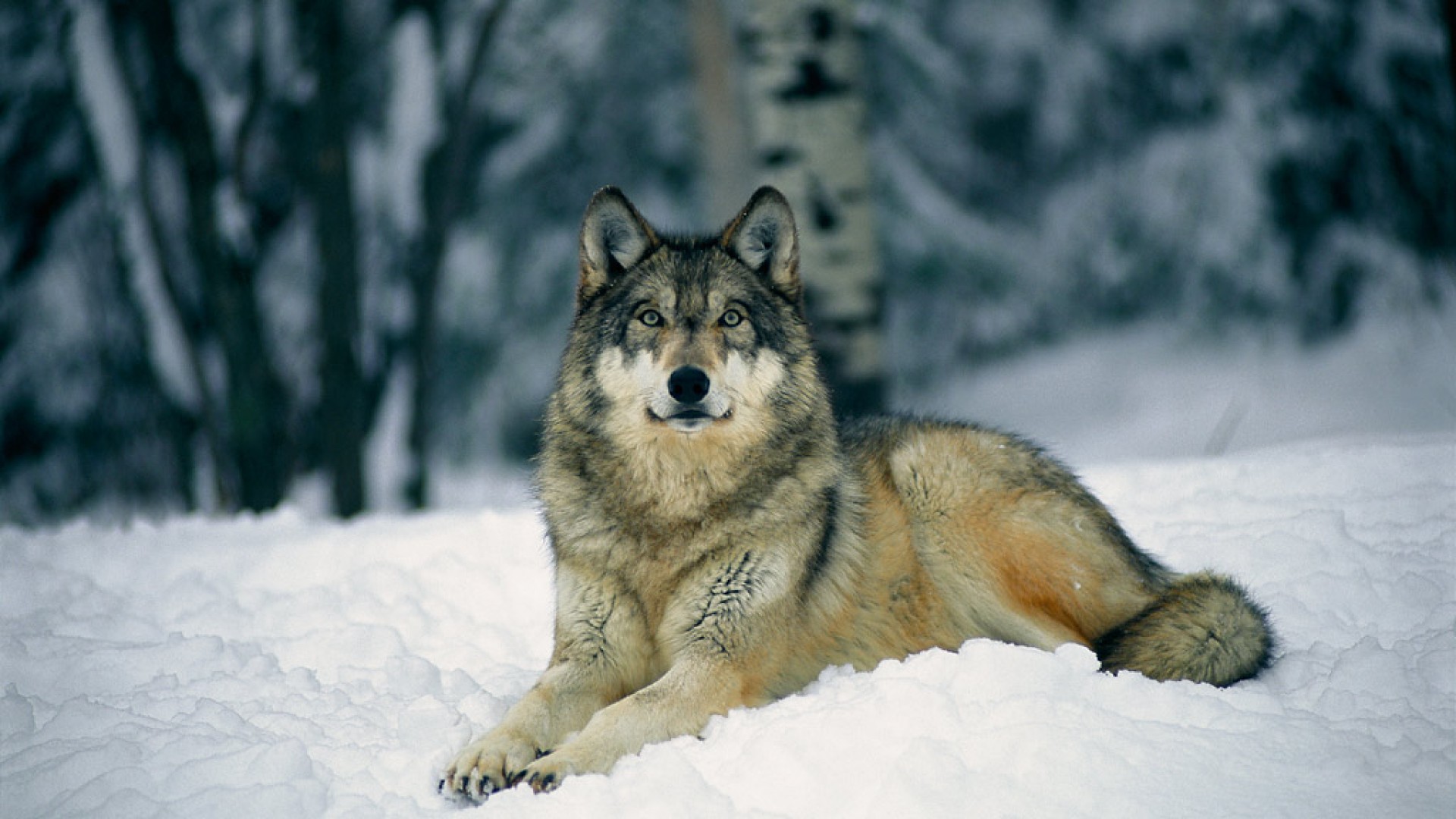
Canada - Sask. widens hunting area to push wolves out
28.10.2016 326 views
Saskatchewan is expanding its wolf hunt to help reduce livestock predation near the provincial forest.
Environment Minister Scott Moe said the plan isn’t to cull the wolves. Instead, it’s to put pressure on them to stay in the forest and away from livestock.
Only three wolves were killed last year.
The expanded wolf hunt follows a pilot hunt in zone 49 two years ago and zones 49 and 53 last year.
“This year what we’ve done is spread that across the northern edge of the grain belt, south of the forest fringe, so that all of those ranchers and hunters have the opportunity to apply that pressure to the wolf populations to keep them in the forested area,” Moe said.
Between Oct. 15 and March 31, hunters can cull wolves in wildlife management zones 43, 47, 48, 49, 50, 53, 54, 55 and 68N.
Only Saskatchewan residents are eligible for licences, but there is no limit on the number available. The licences must be picked up at ministry of environment offices in Meadow Lake, North Battleford, Spiritwood, Prince Albert, Nipawin, Saskatoon, Melfort, Greenwater Lake, Hudson Bay, Preeceville and Regina.
Moe said the pilot program was a result of requests from ranchers and municipalities that recorded a high number of predation claims. Although the claims were localized, they can be severe, he said.
Those who buy licences must report their results within 14 days of the end of hunting season. About 200 licences were sold last year.
“The intent was never to have a high harvest volume,” said Moe. “All we would ever expect is maybe a zero to five-percent harvest volume, which is extremely low.”
He said wolves are intelligent and will learn to stay where they are safer.
But wildlife attacks on livestock are always possible.
“If you look at zone 49, it’s actually surrounded by three sides of forested area and it’s not uncommon for wildlife to travel between them through the green land zone,” Moe said.
Livestock producers have raised increasing concerns about wolves and cougars in recent years.
Moe met with the Saskatchewan Stock Growers Association earlier this month to discuss better control options.
“Culls don’t work but there are programs in place for mountain lions that are perceived as a problem,” he said.
Sask. Crop Insurance Corp. compensates producers for predation claims by wolves, cougars and other predators.
Coyotes appear to be the main problem, accounting for between 60 and 90 percent of predation claims.
Source - http://www.producer.com
EVENTS

ScaleAgData Stakeholder Engagement Event
22.10.2024The ScaleAgData project is pleased to invite you to our second stakeholder event. Building on the discussions and connections formed during our first webinar, this event will focus on fostering collaboration among stakeholders, providing updates on our project’s progress, and outlining future opportunities for engagement.
RISK EVENTS

Moldova - May frosts caused heavy damage to fruit orchards
10.05.2026The first frosty nights of May have significantly worsened estimates of damage to Moldova's fruit sector from spring frosts. According to initial assessments by fruit market operators, between a quarter and a third of the country's total orchard area was seriously affected.
04.06.2026

India - Delhi raises crop damage compensation after 10 years by over 50% to Rs 75,000 per hectare
In a major relief for farmers, the Delhi government has increased compensation for crop loss caused by rain and hailstorms from Rs 20,000 per acre to Rs 75,000 per hectare.
04.06.2026

Why Tech-Driven Agro-Insurance Has Stumbled in Ethiopia
For decades, Ethiopia’s agricultural sector has remained trapped in a dangerous paradox.
04.06.2026
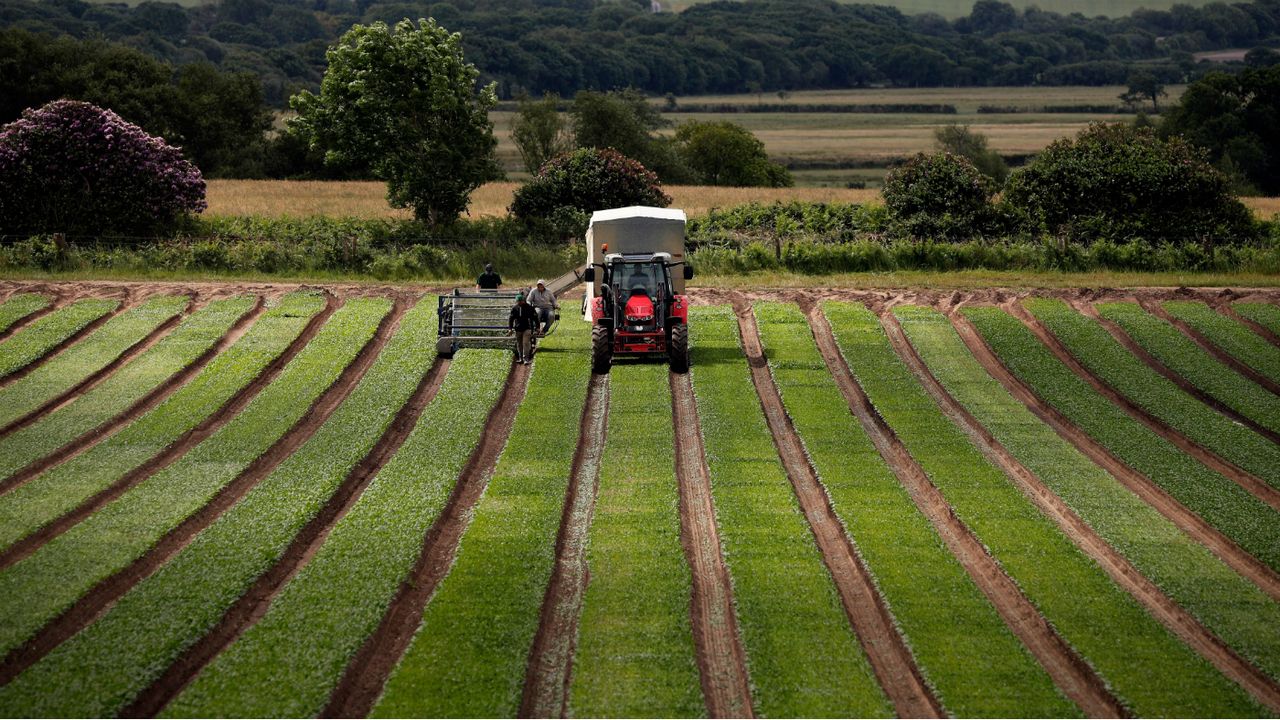
UK - Rural crime cost Wales £2.2m last year despite fall in offences
Rural crime cost Wales an estimated £2.2 million last year, with organised criminals continuing to target tractors, livestock and farming equipment despite an overall fall in offences, according to a new report.
04.06.2026

Kenyan Agro-Insurance Startup, Pula Raises US$ 20 Million in Series B Round
Pula, a Kenyan startup that offers insurance to small-scale farmers, aims to serve more than 100 million farmers in Africa after raising US$ 20 million in its Series B round.
04.06.2026
USA - USDA announces $52M to boost public access to private lands for hunting, fishing
The U.S. Department of Agriculture is announcing $52 million to help state and tribal governments encourage private landowners to allow public access to their land for hunting, fishing and other wildlife-dependent recreation through the Voluntary Public Access and Habitat Incentive Program (VPA-HIP).
04.06.2026

Hope Grows in Malawi’s Grain Stores as Farmers Battle Post-Harvest Losses
Some grain rots in poorly ventilated storage. Some is eaten by pests. Some is damaged during drying or transportation before it ever reaches the market.
03.06.2026

Canada - AFSC extends several northern Alberta seeding dates for 2026
Alberta’s Agriculture Financial Services Corp. (AFSC) is extending the recommended seeding dates in the province’s northeast, northwest and Peace regions for several crops for the 2026 growing season only.
03.06.2026

India - Elephants run amok in Konaje agricultural farm, cause massive crop damage
A herd of elephants, including calves, wreaked havoc on an agricultural farm belonging to Yashodhara Gowda at Pallattadka in Konaje village of Kadaba taluk.
