

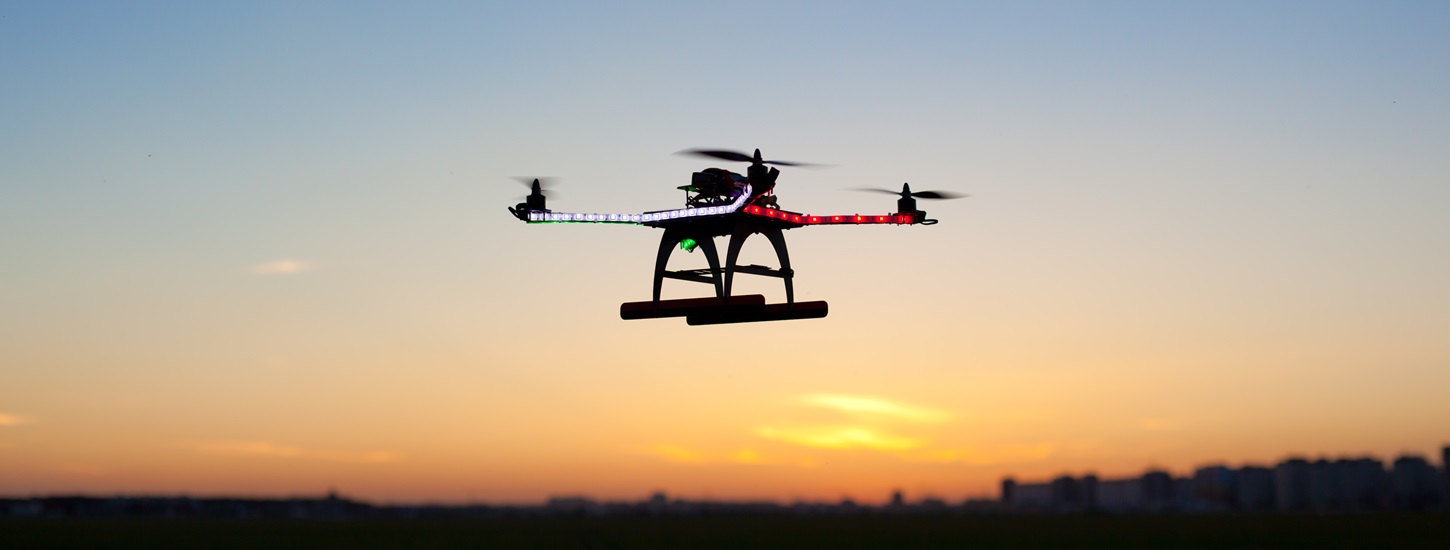
India - Drone: The farm multiplier
20.09.2016 314 views
Farmers want to cut input costs in an environment of uncertainties: Weather, pests, fertiliser costs, water availability and soil health. Drones, the unmanned aerial vehicles, equipped with sensors and imaging techniques, can cull out facts over vast stretches of farmland. The data can be utilised for farm growth. An IIT-Kharagpur graduate promises a new revolution.
For decades, Indian agriculture scientists have tried and failed to predict onset of deadly diseases to crops. The result is enormous wastage of money and efforts. A study by the Associated Chambers of Commerce and Industry of India says annual crop losses caused by pests and diseases amount to Rs 50,000 crore, which is significant in a country where at least 20 crore people go to bed hungry every night. There is hope: unmanned aerial vehicles (UAV), popularly called drones, are coming. Punjab may soon see the rollout.The man behind the technology in this part of the country is Taran Singh (37), an IIT Khargpur graduate in agriculture. He is also an IIM Kolkata passout. He has worked in Indian and international markets, especially the UK and Middle East, for 11 years and has experience in management, consulting, business solutions, data analytics, food manufacturing and supply chain. Taran is eager to do something innovative in precision agriculture (application of precise inputs like water, fertilizers, and pesticides at the right time for increasing crop productivity). He is passionate about making a platform for community-based farming.“When I was in Class VII, I saw a documentary about an NRI who returned from overseas and revolutionized floriculture in Punjab. When I cleared IIT entrance exams, I chose B.Tech in agriculture from IIT Khargpur, the only IIT in India offering such a course,” he said.He says these drones can help in warning a farmer 10 days in advance about crop growth & water stress and fertilizer requirements by using artificial intelligence.
How it works
A drone is a flying computer and works with the help of artificial intelligence to make the best possible decisions in-flight. So, farmers can be advised about the exact amount of urea needed, for instance, in a wheat field. Most farmers in Punjab are small and marginal. They need to save on urea and water to cut input costs. Drones require a controller, something the pilot uses to launch, land, and navigate. Controllers can take many forms, from gamepad-like controllers to smartphones and tablets. Regardless of how they look, controllers need to communicate with the drone, and typically do that using radio waves. Drones are typically run by 2.4 gigahertz radio waves. To communicate with their aircraft, many drone controllers use Wi-Fi, which can be transmitted on the 2.4 gigahertz spectrum, and is something that smartphones and tablets can tap into without any accessories.Crop imaging over vast tracts of farmland can help in early detection of pests and weed attacks. “At the moment nobody in India is using agri-analytics. The deployment of drones will help farmers, insurers, commodity experts and even traders,” says Taran.
Future is here
There is a need for coordination among agriculture, corporate and commodity experts with guidance from academics, says Taran, adding his company Agnext is in talks with a leading university in Punjab. He has also tied up with a leading mobile equipment manufacturer to set up a demo centre in Gurgaon. The move will expand Internet of Things (proposed development of internet in which everyday objects have network connectivity, allowing them to send and receive data). The food industry is quickly embracing the very latest Internet of Things devices and big data innovations. By collecting more and more data on crops and growing conditions, yields can not only be controlled, but predicted. This data enables farmers to access accurate information on growing conditions so they can implement changes to increase yields.In the near future, farmers may expect some help for speedy settlement of claims in crop insurance, thanks to drones. Insurers are taking a serious look at drones besides a real-time mobile application to address claim settlements. As part of the Pradhan Mantri Fasal Bima Yojana (PMFBY), deployment of drones has been allowed to estimate crop losses in localized calamities.“We are innovating digital interventions to solve agriculture issues, introducing a unique platform of hardware, software and analytics as a device. Our aim was to create integrated hyperlocal farm data collection and crop analytics platform using latest technological innovations,” says Taran.
Source - http://www.tribuneindia.com
EVENTS

ScaleAgData Stakeholder Engagement Event
22.10.2024The ScaleAgData project is pleased to invite you to our second stakeholder event. Building on the discussions and connections formed during our first webinar, this event will focus on fostering collaboration among stakeholders, providing updates on our project’s progress, and outlining future opportunities for engagement.
RISK EVENTS

Moldova - May frosts caused heavy damage to fruit orchards
10.05.2026The first frosty nights of May have significantly worsened estimates of damage to Moldova's fruit sector from spring frosts. According to initial assessments by fruit market operators, between a quarter and a third of the country's total orchard area was seriously affected.
04.06.2026

India - Delhi raises crop damage compensation after 10 years by over 50% to Rs 75,000 per hectare
In a major relief for farmers, the Delhi government has increased compensation for crop loss caused by rain and hailstorms from Rs 20,000 per acre to Rs 75,000 per hectare.
04.06.2026

Why Tech-Driven Agro-Insurance Has Stumbled in Ethiopia
For decades, Ethiopia’s agricultural sector has remained trapped in a dangerous paradox.
04.06.2026
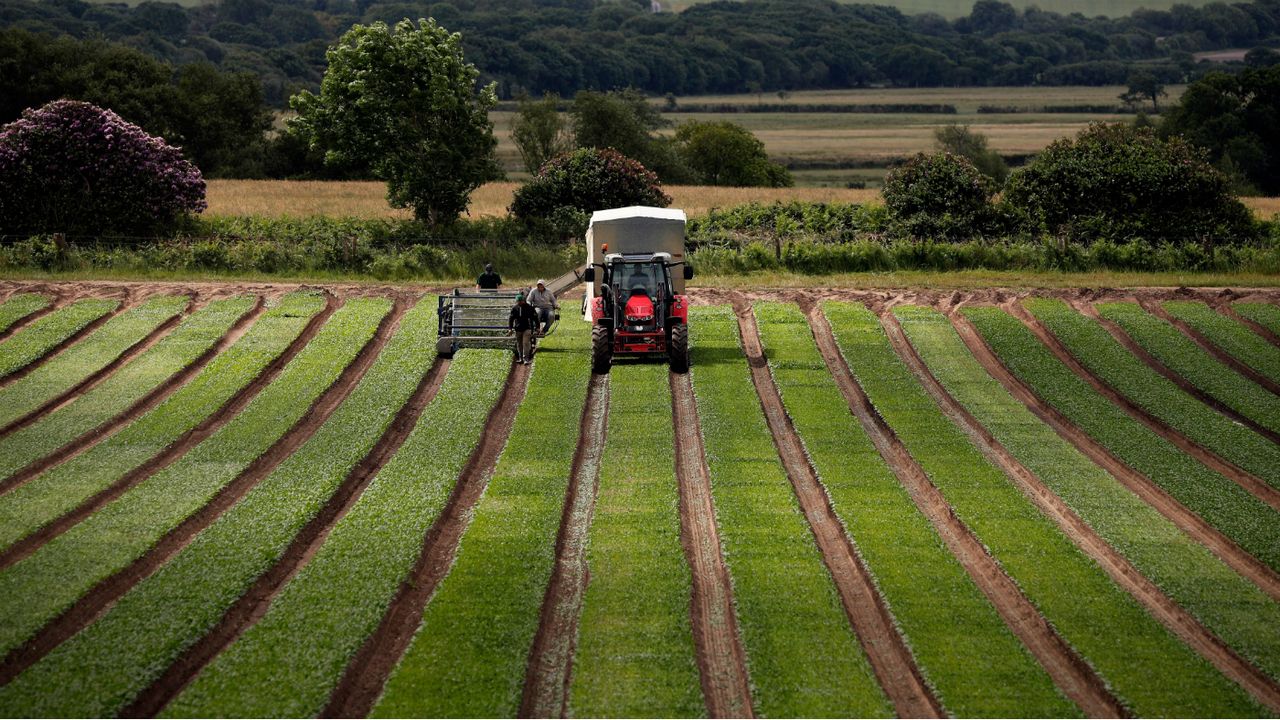
UK - Rural crime cost Wales £2.2m last year despite fall in offences
Rural crime cost Wales an estimated £2.2 million last year, with organised criminals continuing to target tractors, livestock and farming equipment despite an overall fall in offences, according to a new report.
04.06.2026

Kenyan Agro-Insurance Startup, Pula Raises US$ 20 Million in Series B Round
Pula, a Kenyan startup that offers insurance to small-scale farmers, aims to serve more than 100 million farmers in Africa after raising US$ 20 million in its Series B round.
04.06.2026
USA - USDA announces $52M to boost public access to private lands for hunting, fishing
The U.S. Department of Agriculture is announcing $52 million to help state and tribal governments encourage private landowners to allow public access to their land for hunting, fishing and other wildlife-dependent recreation through the Voluntary Public Access and Habitat Incentive Program (VPA-HIP).
04.06.2026

Hope Grows in Malawi’s Grain Stores as Farmers Battle Post-Harvest Losses
Some grain rots in poorly ventilated storage. Some is eaten by pests. Some is damaged during drying or transportation before it ever reaches the market.
03.06.2026
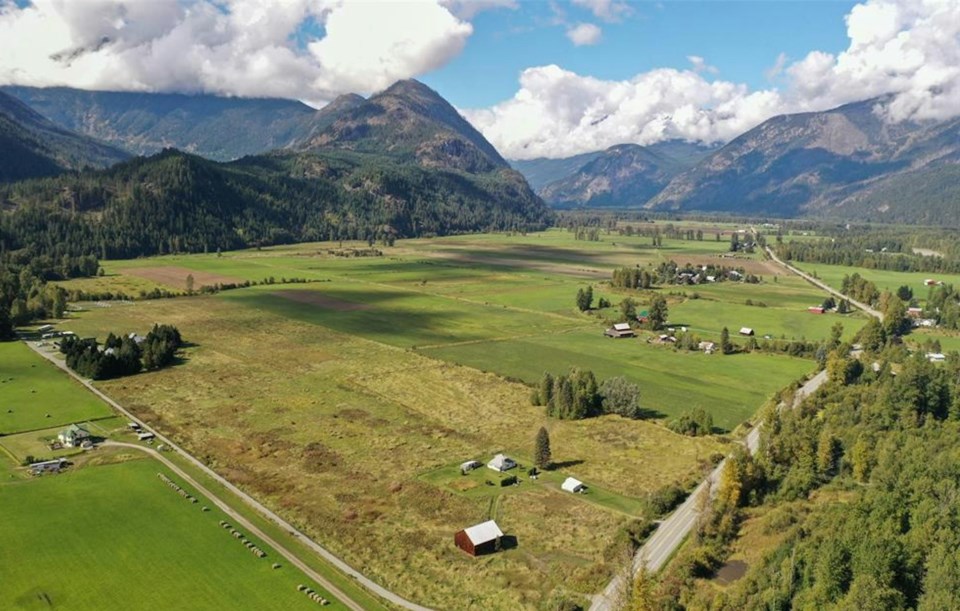
Canada - AFSC extends several northern Alberta seeding dates for 2026
Alberta’s Agriculture Financial Services Corp. (AFSC) is extending the recommended seeding dates in the province’s northeast, northwest and Peace regions for several crops for the 2026 growing season only.
03.06.2026

India - Elephants run amok in Konaje agricultural farm, cause massive crop damage
A herd of elephants, including calves, wreaked havoc on an agricultural farm belonging to Yashodhara Gowda at Pallattadka in Konaje village of Kadaba taluk.
