


Spain - Empty spinach shelves due to heavy rainfall
11.11.2019 1024 views
The attentive consumer might already have noticed it; several Dutch supermarkets are struggling with empty spinach shelves as a result of "heavy rainfall in Europe". "There is indeed a shortage of spinach on the European market," confirms Adrie van den Einden of Green Specialties. "The weather in Spain was very bad during this harvest season and the producers could not sow, which caused a shortage."
The company in the town Lierop has not been affected by this. The spinach season is now almost over for them. "We had a dry growing year that went quite well," Adrie recalls. "Fortunately it was not as dry this season as it was during 2018. We did have some problems in spring. Because of the cold, spinach growth started slowly. In the coming weeks, we will harvest the latest products and as long as the autumn weather stays calm, all will be well. In any case, we see a good quality and a good demand. "Green Specialties sells packaged and ready-to-eat spinach to customers in the Netherlands. The packaged spinach is also sold to customers in Europe.
Water downpour
Although a lot of rain has fallen in the Netherlands in the past month, this did not cause too many problems for Green Specialties. “Especially in the west of the country, a lot of rain has fallen which has caused difficulties on different plots. We have found blemishes, but luckily we have had minimal problems with that. In terms of numbers, we have grown a little more spinach this year and the yield has done well, without facing too many obstacles.”
Mildew
Adrie has heard from representatives of the seed company that mildew has been detected in various places in Europe. “That always causes issues. Growers must get to work with new varieties which must, therefore, be technically in good condition. That is quite a challenge. ”According to him, there will also be some changes in the coming year. “Fewer and fewer pesticides are available and that doesn't make cultivation easier. The reason for this is that there are actually no alternatives available; so you have a chance of losing young seedlings."
The problems in spinach cultivation are slowly accumulating and according to Adrie; this is mainly happening in Spain. “There are already quite a few problems there, such as plant protection products that they cannot use. Due to that, there are no alternatives available. Weeds have to be controlled in a different way and that is more complex and expensive. The purchase price for spinach from Spain is now higher than in recent years. In addition, there are new regulations, more and more resources may no longer be applied and it is just a matter of waiting to see whether there will be proper alternatives available.”
Connection
Adrie also has to wait and see what will happen on the market in the coming weeks. "The connection with Spain is not entirely perfect this year. Although, if the temperatures are better there, it could be that they will connect well again in the coming weeks. Everything depends on the weather. To minimize the risks, we also purchase spinach from Italian suppliers."
Source - https://www.freshplaza.com
EVENTS

ScaleAgData Stakeholder Engagement Event
22.10.2024The ScaleAgData project is pleased to invite you to our second stakeholder event. Building on the discussions and connections formed during our first webinar, this event will focus on fostering collaboration among stakeholders, providing updates on our project’s progress, and outlining future opportunities for engagement.

09.04.2026

Moldova - Farmers received 117 million lei in insurance subsidies
The Agency for Investments and Payments in Agriculture (AIPA) announced that it has completed the payment of insurance subsidies (70% of the amount of insurance premiums) for 654 farmer applications received between February 1 and September 30, 2025. The total amount of subsidies to this category for last year amounted to LE 117.08 million.
09.04.2026
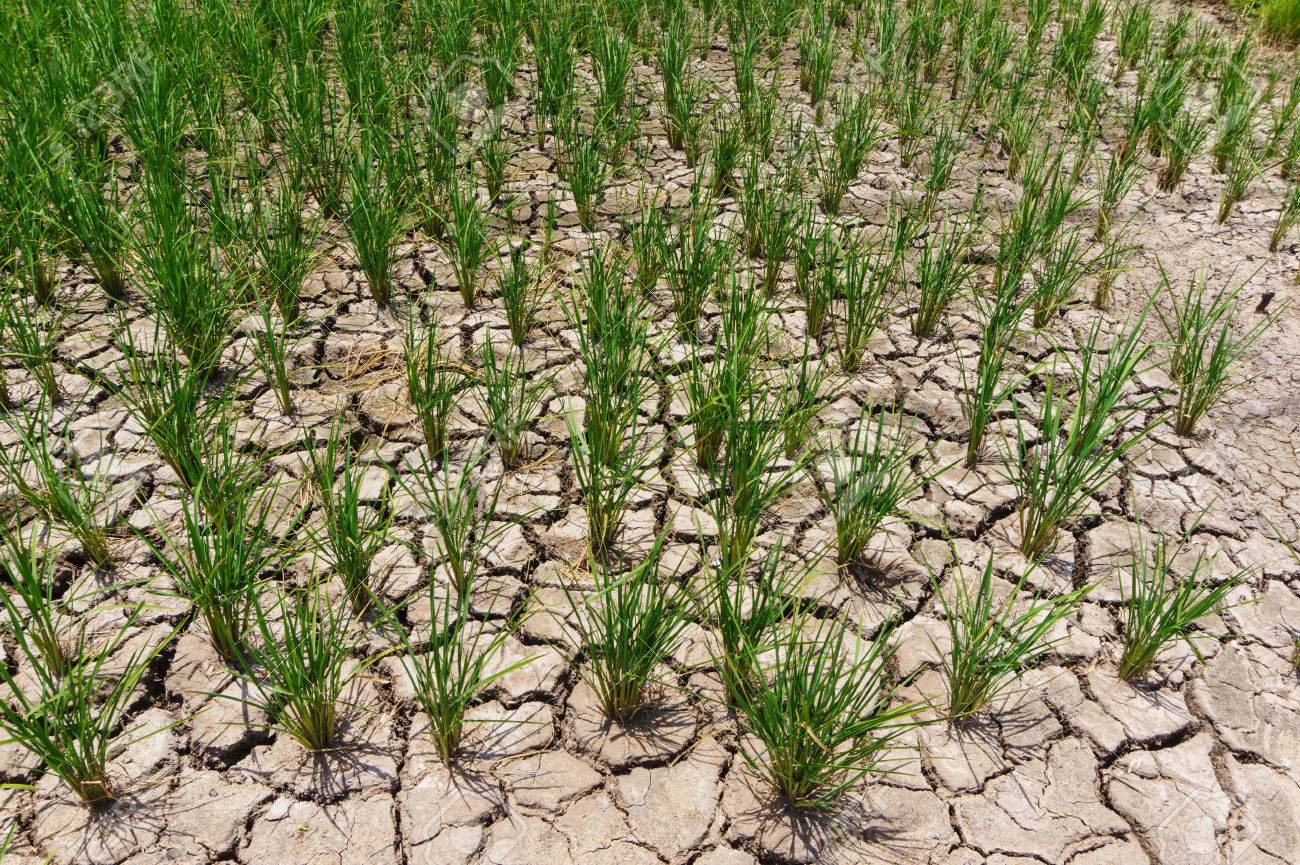
Philippines - Antique farmers urged to plant drought-resistant crops ahead of El Niño
The Antique Office of the Provincial Agriculturist is advising farmers to grow drought-resistant crops in preparation for the possible effects of El Niño.
09.04.2026

India - Farmers Urge Govt To Work On Climate Change Policy, Develop Climate-Resilient Crop Varieties
Farmers who lost their Rabi crops due to untimely hailstorms, rain, and strong winds say compensation is not a foolproof solution to the issue. Instead, the government should develop a comprehensive climate change policy and focus on developing climate-resilient crop varieties, seeds that can withstand excess moisture, resist lodging from strong winds, or mature early enough to escape erratic weather.
09.04.2026
Farmers proffer solutions to tackle Nigeria’s $10bn annual post-harvest losses
Some farmers in the country have proffered workable solutions to address Nigeria’s growing post-harvest losses estimated at $10 billion annually.
09.04.2026

India - Pre-monsoon season emerging as new high-risk period for crops, analysis shows
The monsoon has long been seen as the most destructive season for Indian agriculture, with heavy rains and floods between June and September damaging crops across large areas.
09.04.2026

Azerbaijan plans to insure new crops and boost payments for flood damages
The scope of the agricultural insurance system in Azerbaijan is being expanded, and along with the insurance of new products, the volume of payments for flood and inundation losses is expected to increase, Deputy Chairperson of the Agricultural Insurance Fund (AIF), Laman Aliyeva-Mamishova, told Trend.
08.04.2026
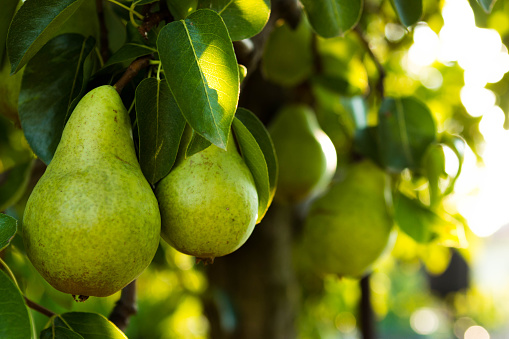
South Korean hail damages 802 hectares of crops in South Jeolla
In South Jeolla Province, a hailstorm caused damage to more than 800 hectares of crops, with the impact concentrated in Naju, the country's main pear production area. This has raised concerns about the 2026 harvest.
08.04.2026
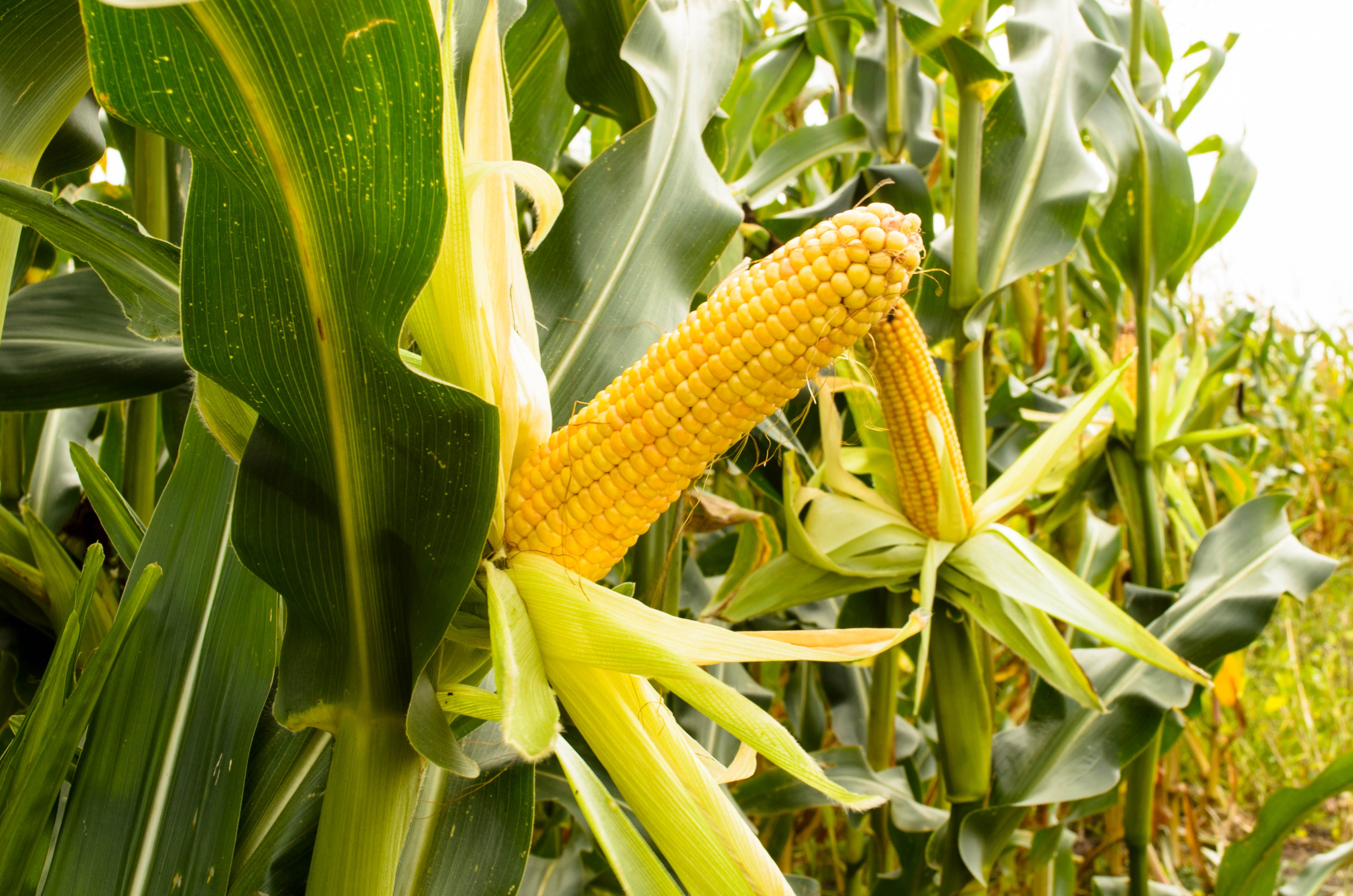
Corn leafhopper caused US$25.8 billion loss over four years in Brazil
The corn leafhopper (Dalbulus maidis), which is considered the crop’s main pest, has caused billions in losses to Brazilian production. A new study has quantified the economic impact of corn stunt diseases on Brazilian production.
