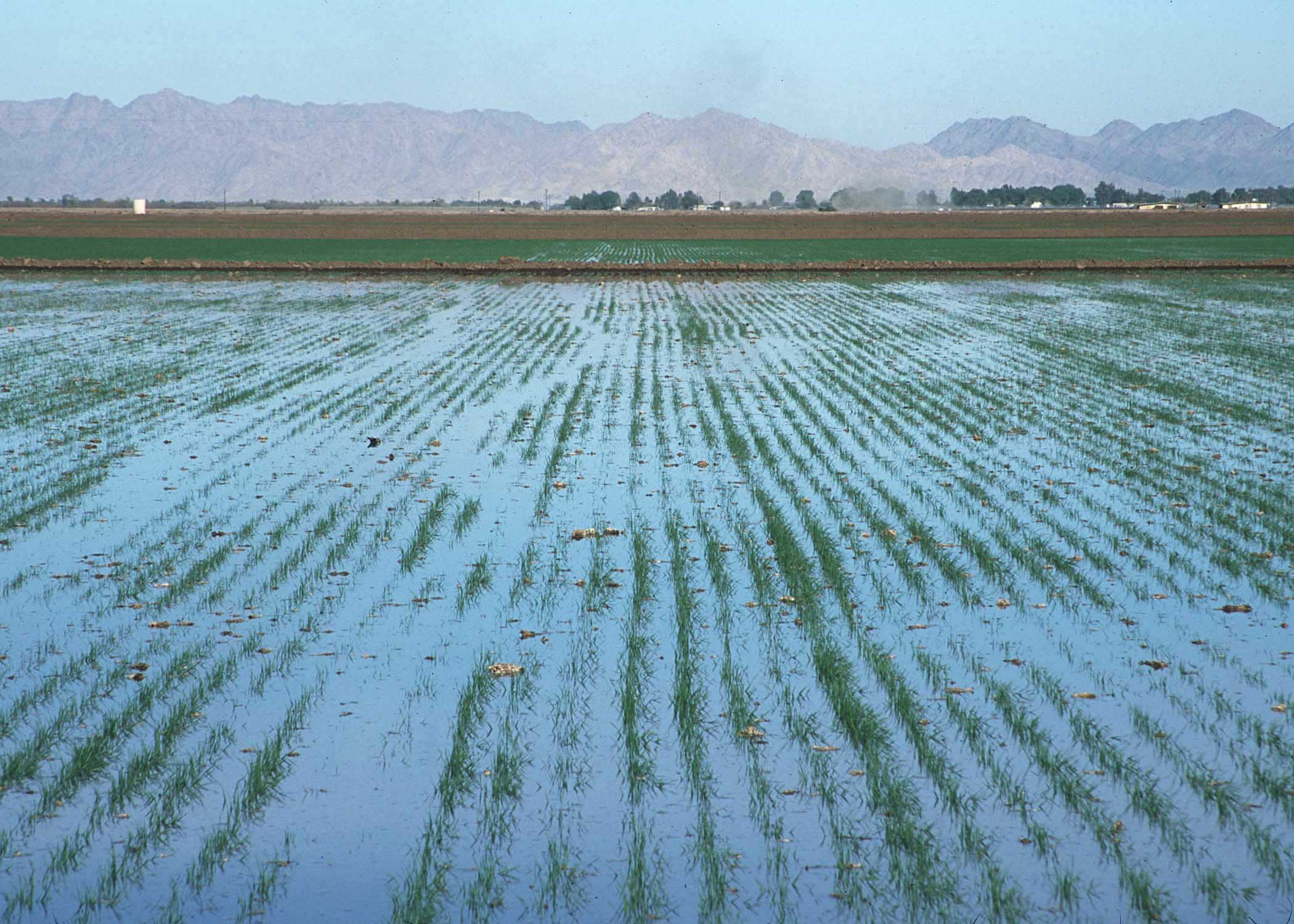
Last weekend, the Spanish regions of Comunidad Valenciana, Murcia and Almería suffered heavy rains, which have mostly subsided by now.
More than 400 litres per square metre of rain poured in Comunidad Valenciana, as well as strong winds of more than 70 km/h. This caused fields to flood and blocked many roads, resulting in growers not being able to work. Rivers are overflowing and there is an ongoing warning of more floodings to come.
According to AVA ASAJA, damage to agriculture in the region has reached 172 million Euros, with citrus fruit being the most damaged. This sector was already affected by heavy rains in late November and early December, which inflicted losses of millions to clementines.
AVA ASAJA reports that 40% of the mid-season tangerine production which hadn’t been harvested is lost because of excessive moisture and wind.
The quality of Navel, Navel Lane or Navel Lane Late oranges is expected to fall in some growing regions. It remains to be seen if later clementine varieties will also be affected. Many purchase agreements will be broken, which will cause further speculation.
Persimmons will not be affected as badly because there is hardly any fruit left to harvest, but those which remain unharvested will probably be lost due to fungal diseases.
Lemons in Vega Baja, Alicante have had the most damage. The region hasn’t seen the sun for almost two weeks and many fields are flooded, so any fruit below the 2 metre mark will be severely affected by fungi. In addition, huge leaf loss will reduce the trees’ vigour in the next campaign. However, inland, the rain has been beneficial to dry farming products like olives, grapes and grain.
Lettuce harvest paralyzed for 4 days in Murcia
Depending on the area, fields in Murcia have received 150 to 250 litres of water per square metre. Rainfall came in the worst moment for leaf producers, which have recorded the worst losses because of flooding in the south-eastern part of the country. Lettuces, spinach and baby leaf varieties are the most affected. Others, like artichokes have actually benefited from the rains. However, broccoli, cauliflowers and courgettes will be damaged by excessive moisture.

According to Proexport, that fact that the rain came on gradually and not all at once, has prevented a “major tragedy”, yet the lettuce harvest will be delayed by four days due to floodings. Harvesting capacities will reduce to 30% this week and normality won’t be restored until next week.
“It’s too early to assess the damage but the area around Cartagena is the most affected in the region. First, we suffered from drought, and now it is the floodings”, says Juan Marín, president of Proexport.
The holiday campaign for lettuce, spinach and other leaf varieties is now disrupted. “50% of the lettuce production which would have been harvested for Christmas will be lost”, says iceberg lettuce division manager of Proexport, Javier Soto. Entering the fields is almost impossible since last Thursday, and will be until next Thursday. The whole spinach and baby leaf production in Cartagena is also lost.
Peppers, which had been recently transplanted to greenhouses in the area, are also severely damaged and around 25% of the plants have been lost. Further transplanting will not be possible due to floods or excessive moisture in the farms.
Quality-wise, rot is expected due to excessive humidity, as well as Botrytis and soil on the leaf products.
Almería expects no problems with Botrytis
Rain also poured down in Almería, especially last Sunday early in the morning. La Vera and El Ejido are the most affected towns. Producers hope the moisture won’t lead to Botrytis problems in the following days.
Source - http://www.freshplaza.com