Providence farmer Dean Hutto has been beat up by Mother Nature.
Last October’s historic floods hit him hard. Now he and farmers throughout the region are working to determine just how much damage Hurricane Matthew caused.
“We are doing OK," Hutto said. "In my personal area, it is not as bad. We were fortunate things were a little earlier this year. Normally, we would have been just like last year and getting ready to harvest, but we were able to get them (peanuts and soybeans) out."
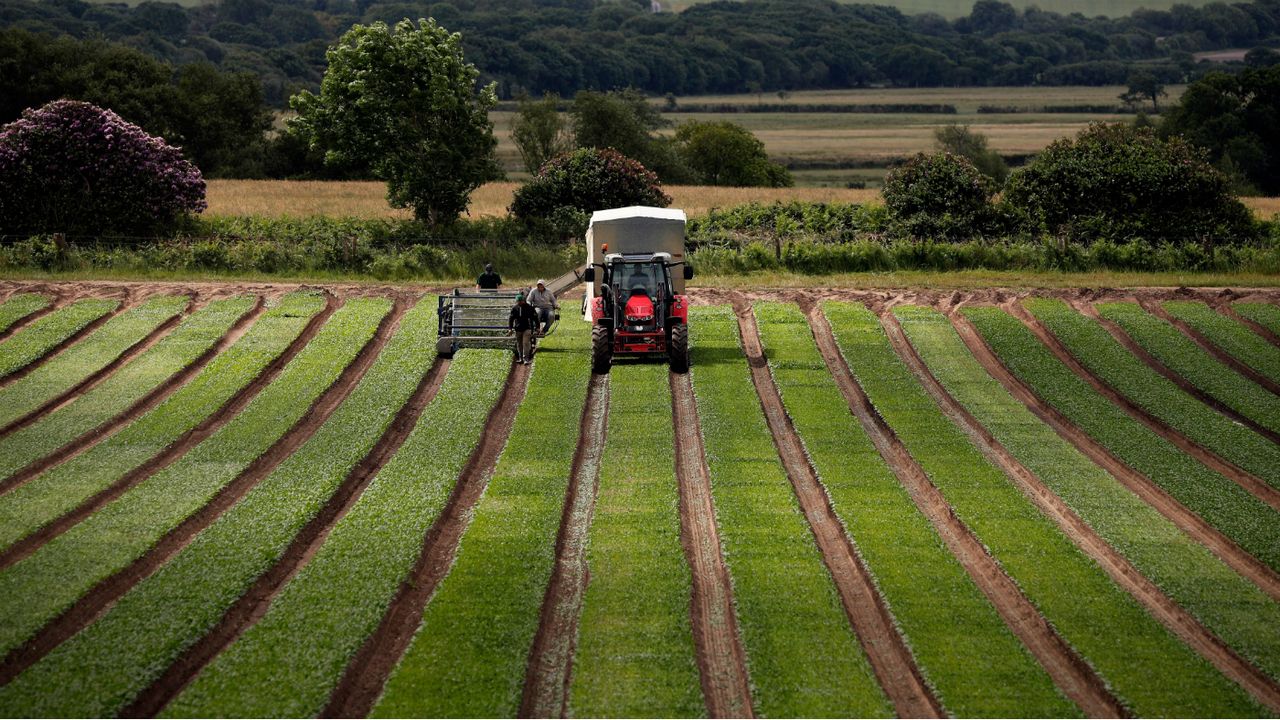
Hutto planted about 1,400 acres of soybeans and 350 acres of peanuts. He harvested both crops by the Thursday before the storm. He has harvested about half of his 450 acres of cotton.
"When I first looked at it on Saturday, I would say it was a total loss but now I think it is harvestable," he said. "It is a matter of the fields drying out right now."
Unlike the flood, Hutto said Hurricane Matthew only dumped about 13 inches of rain on his farm. The flood dumped about 18 inches.
"The biggest thing is the sunshine we had since then," he said. "Last year it was gloomy and nasty after the flood."
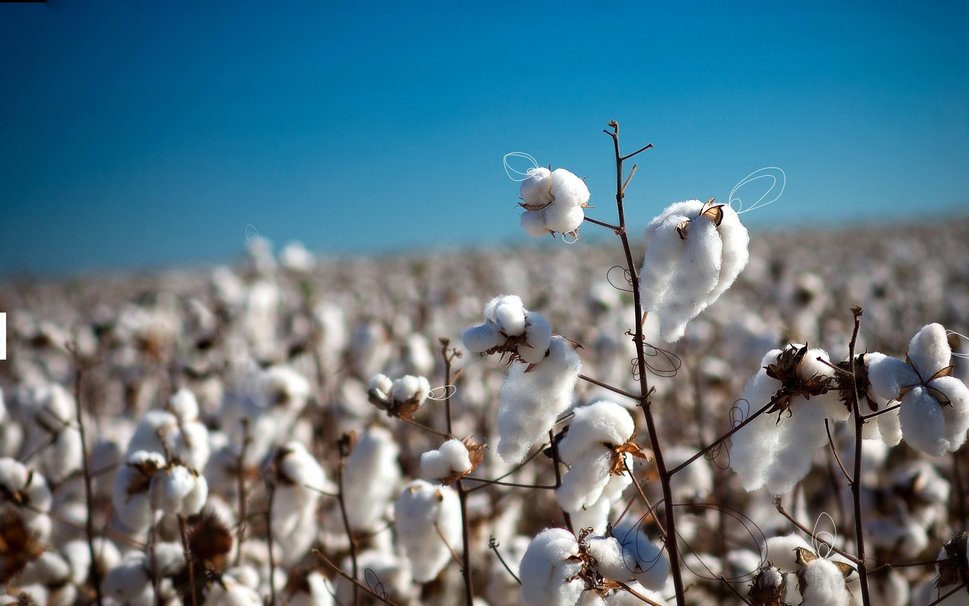
Orangeburg County Clemson Extension Agent Jonathan Croft said a lot of the cotton that had not been harvested sustained damage with bolls blown out.
"We will take a yield loss due to wind damage," he said. How much loss is still uncertain.
Peanuts were largely harvested before the storm.
"They (growers) did an excellent job of getting them out of the fields," Croft said. "I saw a couple of fields today that will probably be hard to yield. It depends on how quickly we dry out as long as we don't get more rain on top of it."
Croft said soybeans did not show any sign of pods being blown off or shattered.
"I have not seen a lot of soybeans, but so far to me they fared better than anything else," he said. "They are upright."
Croft said the damage from Matthew does not appear to be as bad as last year's flood.
"I didn't see the soil erosion issues," Croft said. "We have ponding, but it is not as large an area as during the flood."
He said one challenge will be dealing with fallen trees during harvest.
Calhoun County Clemson Extension Agent Charles Davis described Hurricane Matthew as “another blow to our state and yet again another long recovery.”
"I made a drive-through of Calhoun County and noted that the damage from the storm varied a lot from place to place," Davis said. "Power lines down, trees in fields, some flooding seems to be the obvious physical damage. However, there is certainly damage to our cotton and peanut crop that may be less obvious."
Davis said the department will be sending out request forms to farmers to report crop damage. The information will be used to develop a picture of agricultural losses.
"These numbers are important in making governmental decisions about ag support," Davis said.
Davis said there are two kinds of damage farmers are seeing in cotton.
"We see cotton blown out of the boll on the ground that is totally unharvestable," Davis said.
He also said there is “wind-whipped cotton” that that is twisted together and difficult to manage.
"It is hard to drive through to defoliate," he said. "It is a management issue and you wind up losing yield. Some of the cotton lying on the ground with the bolls in contact with the soil will probably rot."
Davis hopes the unopened bolls that remained on the plant will survive and that bolls that have opened will dry out.
"Our immediate loss is the cotton blown out of the bolls that are lying on the ground," he said. "We will harvest the field and it won't go in the picker. That is lost cotton."
Davis said the lack of power seemed to be the biggest concern for peanuts.
"There were some issues with peanut buying stations that may not have had power to run the driers so peanuts that are sitting in the trailer could have a mold problem," he said. "We are working through most of that."
He said the peanuts not dug on sandier soils should be fine and peanuts that are not in low-lying areas and standing in water should be OK as well.
"It is too early to tell. We don't know until we harvest, but they may be OK," he said.
Compared to last year's flood, Calhoun County's crops generally fared better during Matthew.
"Last year you had the flood and it kept raining and it kept raining and it kept raining," he said. "There is pretty much sunshine right now and I am hoping it stays that way."
Source - http://thetandd.com