

USA - Crop insurance is aiding and abetting a crime
23.09.2016 301 views
Farmer Jones has 20 acres along the Raccoon River in the Conservation Reserve Program. The hill is planted in native grass, which pretty well soaked up a four-inch rain last Thursday. Across the river, Old McDonald planted soybeans along similar topography, with a hill sloping toward flatland along the river. The field was submerged and, no doubt, covered by Federal Crop Insurance.
Current was washing soil into the roil, right on down to Des Moines and, ultimately, the coastal marshes are the mouth of the Mississippi.
It’s criminal.
“You and I are on the same page,” said Iowa State University agronomist Dr. Rick Cruse, who manages the Iowa Daily Erosion Project.
Cruse’s web page shows that the rain displaced anywhere from a third of a ton to three-quarters of a ton per acre, discharging that phosphorous- and nitrogen-laden soil to the Raccoon, the Cedar and the Maple rivers.
Cruse has no idea how many acres of insured crops are planted in effectively river bottom that floods more and more as climate change brings wilder weather.
Count it in the thousands just in Buena Vista County, where the tiller knows no boundaries — such as fence lines, river banks or road ditches.
My father sold Federal Crop Insurance for a living. He was the top salesman in the country three years in a row. “The only thing Federal Crop doesn’t insure against is bad farming,” New Dealer Dad preached time and again.
Until they put the hail companies in charge of the chicken coop.
Now bad farming is part of farming the program.
You plant crops in that bottom for 10 years. You have a crop history. You get flooded out half the time, but the half of the time it’s dry you might fetch 60-bushel beans and 250-bushel corn.
So you make a calculated bet, insured by the taxpayer.
The taxpayer gets nothing in return.
No conservation plans. No grass buffers. Not even a wood chip bioreactor.
Just beans into the river, and a US debit to that fine man sitting next to you in church on Sunday.
Which is all fine with Chuck Grassley and Joni Ernst, our two US Senators. They wrote a letter to Ag Secretary Tom Vilsack last week complaining that CRP rates are so attractive they are keeping young farmers out of the business.
A sober analysis will tell you that CRP rates in BV County are slightly under what the market could command. Farmer Jones could find a sucker — perhaps Old McDonald — to rent that land for $300 per acre and work the 20 acres with a 12-row cornhead this fall.
Farmer Jones could have made more money with a straight cash rent. But he likes wildlife. He might lay in a few feeder calves on those acres if CRP rules would allow him. He might even take a lower government rent if he could. But he is happy to get his CRP check, and now that the place is planted in native grass, he never has to worry about it for the life of the contract.
His deer and ducks are going across the river and eating Old McDonald’s faltering crop.
We could tie crop insurance to conservation compliance. But we won’t. Ernst is opposed to increasing CRP acres. The House Agriculture Committee wants to eliminate the Conservation Security Program and the Environmental Quality Incentives program aimed at livestock producers.
Ahead of a new farm bill debate next year, the incumbent Republicans already have set up a contest between conservation funding and crop insurance. One wins, one will lose.
Crop insurance will win.
Corn probably will be under water next year.
It’s called farming the program.
Bad farming is part of the formula to financial success.
Until we back off the lake, river and ditch banks we have no business talking about a multi-billion state water quality fund. In fact, we continue to encourage bad farming by propping up crop insurance over conservation. The bad actors are set up to win the debate in the next farm bill based on specious arguments — if CRP is outbidding a farmer, then that so-called farmer is in the wrong business. He should take up driving a truck or learn computer coding.
Source - http://stormlake.com
EVENTS

ScaleAgData Stakeholder Engagement Event
22.10.2024The ScaleAgData project is pleased to invite you to our second stakeholder event. Building on the discussions and connections formed during our first webinar, this event will focus on fostering collaboration among stakeholders, providing updates on our project’s progress, and outlining future opportunities for engagement.
RISK EVENTS

Moldova - May frosts caused heavy damage to fruit orchards
10.05.2026The first frosty nights of May have significantly worsened estimates of damage to Moldova's fruit sector from spring frosts. According to initial assessments by fruit market operators, between a quarter and a third of the country's total orchard area was seriously affected.
04.06.2026

India - Delhi raises crop damage compensation after 10 years by over 50% to Rs 75,000 per hectare
In a major relief for farmers, the Delhi government has increased compensation for crop loss caused by rain and hailstorms from Rs 20,000 per acre to Rs 75,000 per hectare.
04.06.2026

Why Tech-Driven Agro-Insurance Has Stumbled in Ethiopia
For decades, Ethiopia’s agricultural sector has remained trapped in a dangerous paradox.
04.06.2026
UK - Rural crime cost Wales £2.2m last year despite fall in offences
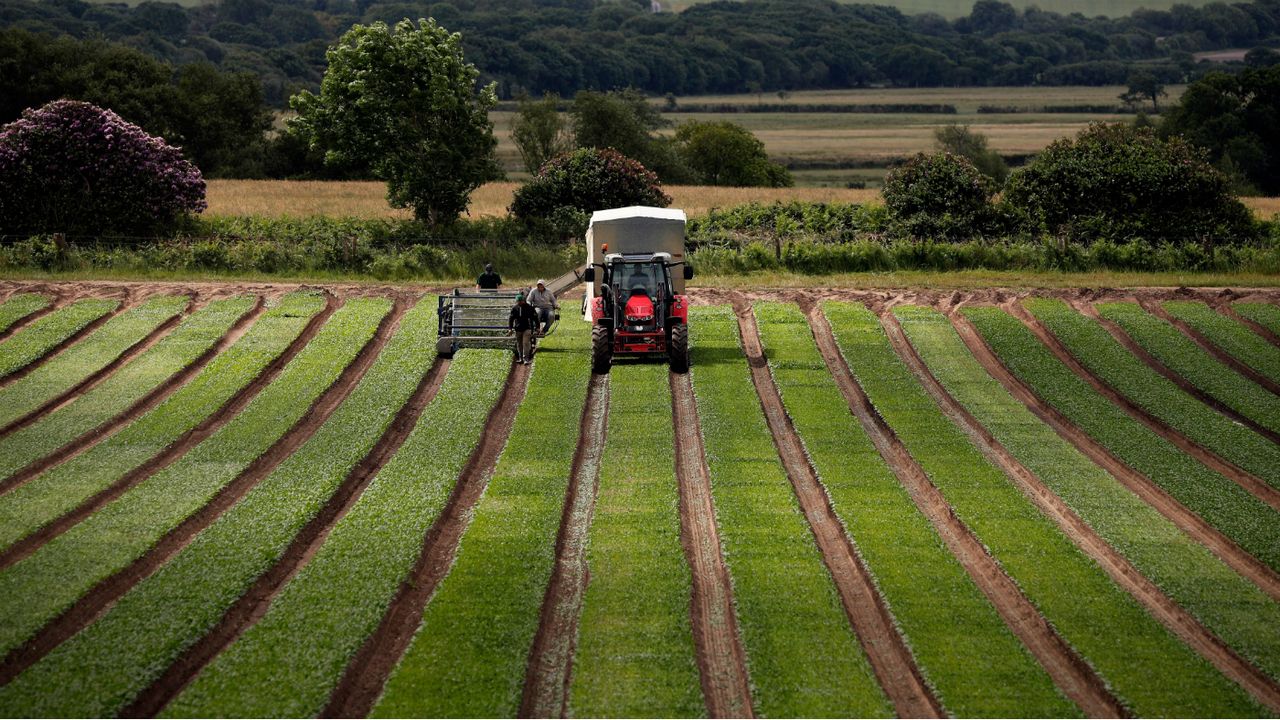
Rural crime cost Wales an estimated £2.2 million last year, with organised criminals continuing to target tractors, livestock and farming equipment despite an overall fall in offences, according to a new report.
04.06.2026

Kenyan Agro-Insurance Startup, Pula Raises US$ 20 Million in Series B Round
Pula, a Kenyan startup that offers insurance to small-scale farmers, aims to serve more than 100 million farmers in Africa after raising US$ 20 million in its Series B round.
04.06.2026
USA - USDA announces $52M to boost public access to private lands for hunting, fishing
The U.S. Department of Agriculture is announcing $52 million to help state and tribal governments encourage private landowners to allow public access to their land for hunting, fishing and other wildlife-dependent recreation through the Voluntary Public Access and Habitat Incentive Program (VPA-HIP).
04.06.2026

Hope Grows in Malawi’s Grain Stores as Farmers Battle Post-Harvest Losses
Some grain rots in poorly ventilated storage. Some is eaten by pests. Some is damaged during drying or transportation before it ever reaches the market.
03.06.2026
Canada - AFSC extends several northern Alberta seeding dates for 2026
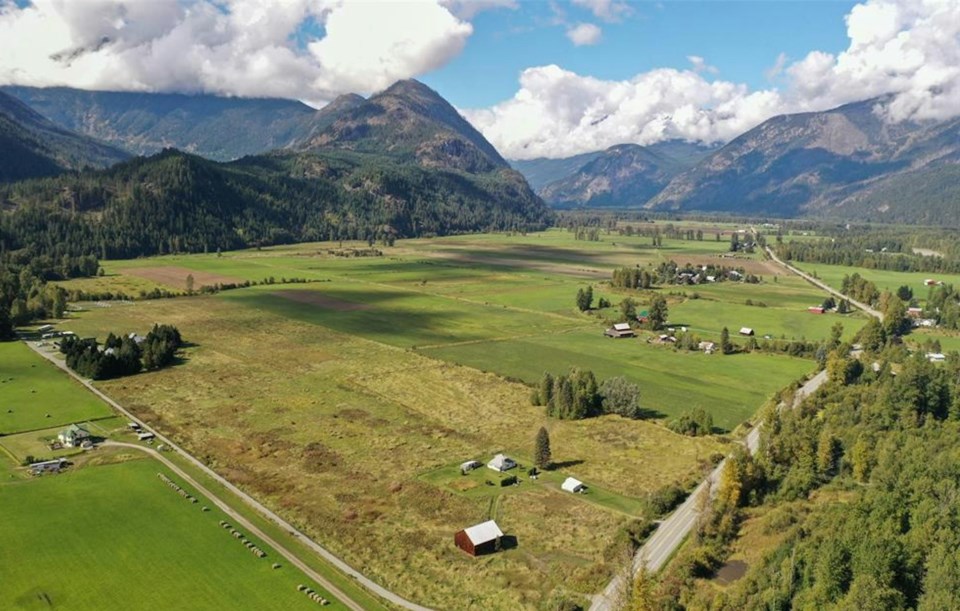
Alberta’s Agriculture Financial Services Corp. (AFSC) is extending the recommended seeding dates in the province’s northeast, northwest and Peace regions for several crops for the 2026 growing season only.
03.06.2026

India - Elephants run amok in Konaje agricultural farm, cause massive crop damage
A herd of elephants, including calves, wreaked havoc on an agricultural farm belonging to Yashodhara Gowda at Pallattadka in Konaje village of Kadaba taluk.
