

USA - Crop insurance is taxpayer-subsidized and now state tax-free, too
22.09.2016 315 views
If you want something from the Missouri Legislature, it’s good to be a farmer.
Last spring, after finishing work on the state’s $27.2 billion fiscal 2017 budget, lawmakers passed a few more tax breaks. The big one was $50 million in potential retroactive tax refunds for farmers who received federal disaster insurance for damage caused by the epic drought of 2012. People who sign up for exercise classes also will get a $5.7 million break on sales taxes.
In June, Gov. Jay Nixon vetoed those tax breaks. On Sept. 14, the Legislature overrode his veto. The next day, Nixon put a hold on $57.2 million more from the budget passed in the spring. He’d already withheld $115 million in spending, saying the Legislature had overestimated the amount of money the state would take in. If the economy picks up dramatically, the money could still be spent.
Because of all of this, farmers are going to get money that otherwise would have gone mostly to highways, school transportation and K-12 education, which absorbed the brunt of the budget hold-backs. It could be farmers’ tax refunds won’t amount to $50 million, but Nixon’s budget office estimates they will.
This is what happens when you have a lot of needs and not enough money to meet them. Relative to their tax burden when the 1980 Hancock Amendment was passed to block the state budget from growing faster than the average family’s budget, Missourians are currently undertaxed by about $3.9 billion. But no one in Jefferson City wants to touch that one.
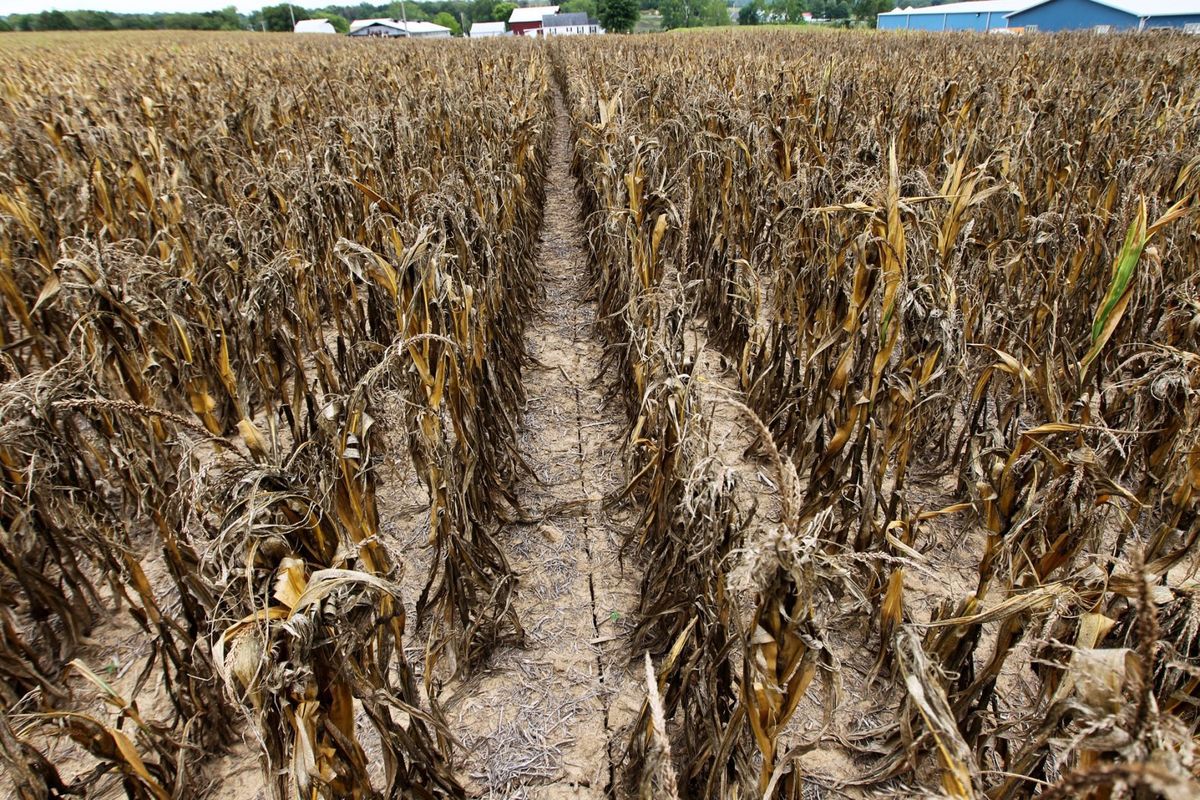
The Missouri Farm Bureau is the state’s most powerful lobby. While it milks the image of the sturdy yeoman farmer, most of its business comes from brokering insurance, including federally subsidized crop insurance. When a farmer buys insurance on his crops, federal taxpayers pick up about 60 percent of the cost. When drought ravaged the Midwest in 2012, taxpayers covered most of the losses.
In fact, a 2012 study by the University of Missouri Extension Service found that over the previous decade, Missouri farmers had received $1.80 in federal crop insurance indemnities for every dollar they paid in premiums. “Insured farmers had a pretty good year,” MU economist Raymond Massey said after the 2012 drought.
Crop insurance payments were paid out in 2013 and thus were taxable in 2014. The Internal Revenue Service generally treats such payments as taxable income. So did Missouri and 39 other states that levy income taxes.
But by passing Senate Bill 641, and then overriding Nixon’s veto, the Legislature decided that from now on, and retroactively to 2014, crop insurance payments no longer are subject to the state income tax. With enough tax-free, taxpayer-subsidized insurance, some farmers could be praying for drought.
It’s good to be a farmer.
Source - http://www.stltoday.com
EVENTS

ScaleAgData Stakeholder Engagement Event
22.10.2024The ScaleAgData project is pleased to invite you to our second stakeholder event. Building on the discussions and connections formed during our first webinar, this event will focus on fostering collaboration among stakeholders, providing updates on our project’s progress, and outlining future opportunities for engagement.
RISK EVENTS

Moldova - May frosts caused heavy damage to fruit orchards
10.05.2026The first frosty nights of May have significantly worsened estimates of damage to Moldova's fruit sector from spring frosts. According to initial assessments by fruit market operators, between a quarter and a third of the country's total orchard area was seriously affected.
04.06.2026

India - Delhi raises crop damage compensation after 10 years by over 50% to Rs 75,000 per hectare
In a major relief for farmers, the Delhi government has increased compensation for crop loss caused by rain and hailstorms from Rs 20,000 per acre to Rs 75,000 per hectare.
04.06.2026

Why Tech-Driven Agro-Insurance Has Stumbled in Ethiopia
For decades, Ethiopia’s agricultural sector has remained trapped in a dangerous paradox.
04.06.2026
UK - Rural crime cost Wales £2.2m last year despite fall in offences
Rural crime cost Wales an estimated £2.2 million last year, with organised criminals continuing to target tractors, livestock and farming equipment despite an overall fall in offences, according to a new report.
04.06.2026

Kenyan Agro-Insurance Startup, Pula Raises US$ 20 Million in Series B Round
Pula, a Kenyan startup that offers insurance to small-scale farmers, aims to serve more than 100 million farmers in Africa after raising US$ 20 million in its Series B round.
04.06.2026
USA - USDA announces $52M to boost public access to private lands for hunting, fishing
The U.S. Department of Agriculture is announcing $52 million to help state and tribal governments encourage private landowners to allow public access to their land for hunting, fishing and other wildlife-dependent recreation through the Voluntary Public Access and Habitat Incentive Program (VPA-HIP).
04.06.2026

Hope Grows in Malawi’s Grain Stores as Farmers Battle Post-Harvest Losses
Some grain rots in poorly ventilated storage. Some is eaten by pests. Some is damaged during drying or transportation before it ever reaches the market.
03.06.2026

Canada - AFSC extends several northern Alberta seeding dates for 2026
Alberta’s Agriculture Financial Services Corp. (AFSC) is extending the recommended seeding dates in the province’s northeast, northwest and Peace regions for several crops for the 2026 growing season only.
03.06.2026

India - Elephants run amok in Konaje agricultural farm, cause massive crop damage
A herd of elephants, including calves, wreaked havoc on an agricultural farm belonging to Yashodhara Gowda at Pallattadka in Konaje village of Kadaba taluk.
