

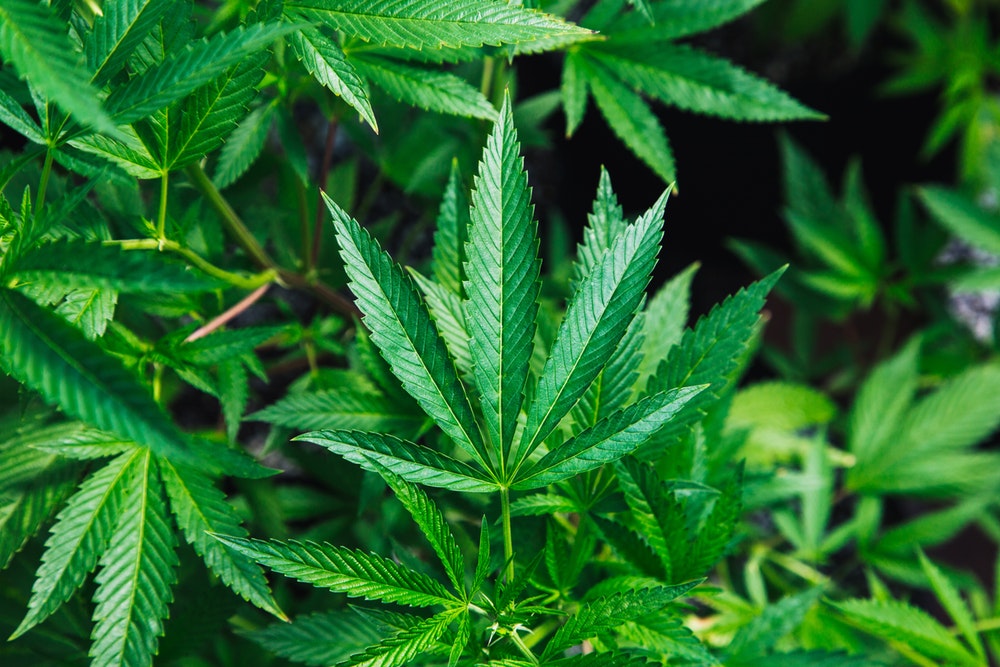
USA - Entire West Coast marijuana crop threatened by fire, smoke, and ash
07.10.2020 636 views
In not just California, but Oregon and Washington too, where even cannabis plants that are hundreds of miles from the fires suffer smoke damage that renders the pot unsmokable.
Back in the ‘old’ days of the 2017, 2018, and 2019 wildfires, the destruction and heartbreak for the legal cannabis industry was seeing acres of cannabis fields burn down across the storied ganja grasslands of northern California. But a new 2020 phenomenon makes that previous loss of chronic crop seem quaint. This year’s record-setting four million acres of land burned and resulting horrible, smoky conditions are killing off cannabis plants hundreds of miles away from the fires.
Here in San Francisco, even if you just had a potted backyard marijuana plant for your personal use, the infamous September 9 “orange sky” brought smoke damage that may have choked your plant, or blocked the sun to allow mold to form on your primo buds. And that from a fire that was least 60 miles away.
But hey, that’s just your backyard personal stash plant — commercial farmers lost an entire year’s crop and livelihood. And not just in directly fire-affected areas either, as the Mercury News picks up a CNN report that wildfire smoke has destroyed outdoor crops across California and Oregon. Industry trade publication Marijuana Business Daily adds that numerous farms in Washington state burned as well. This effectively threatens the entire 2020 “Croptober” harvest, that is, the mid-October bounty that (in a normal year) yields the lion’s share of the good shit.
“Even for operators whose cannabis businesses and plants were spared, the wildfires still present a mess of potential issues such as smoke damage, contamination, smaller buds, stressed out plants and end products that might not pass regulatory or consumer muster,” CNN Business reports.
Marijuana Business Daily details how the August Complex fires forced the famed “Emerald Triangle” growing grounds’ farmers to evacuate just as the bumper crop was beginning to bud, and fleeing farmers left with no idea if they’d have anything to return to. CNN Business adds the bummer that “Insurance companies, like banks, are reluctant to serve cannabis businesses because marijuana remains a federally illegal substance. And because of that illicit status, the enterprises don’t qualify for federal disaster aid.” These are ‘normal’ legal problems that come up again every year in fire-affected cannabis farming areas.
But there is now a larger issue of climate change and the legal cannabis industry, front and center affecting the entire Pacific coast. The weed you buy at your local dispensary is subject to far more rigorous mold and chemical testing than any produce you buy at the grocery store. “In a normal year, around 2% to 5% of California’s marijuana crops would fail mold tests,” according to Bloomberg. This year, they say, “it could be double that percentage as sunlight-blocking smoke weakens plants’ resistance to mold, disease and other pests.”
SF Weekly’s cannabis-focused sister publication SF Evergreen has a very good analysis of how to protect your outdoor grow from ash and smoke. Of course, the damage is pretty much already done this year, so much of that primer is advice for next October. And it’s fair to expect that ash and smoke are going to wreck California skies every September/October going forward for the foreseeable future, as smoke basically ruins our smoke stash.
Source - https://sfist.com
EVENTS

ScaleAgData Stakeholder Engagement Event
22.10.2024The ScaleAgData project is pleased to invite you to our second stakeholder event. Building on the discussions and connections formed during our first webinar, this event will focus on fostering collaboration among stakeholders, providing updates on our project’s progress, and outlining future opportunities for engagement.

30.03.2026
Ukraine - Preferential lending for farmers under 5-7-9 program extended until spring 2027
Ukraine’s spring sowing campaign has started on time with optimal soil moisture levels, and the government has expanded its support tools for farmers, including preferential loans, crop insurance, and security measures in frontline zones, said Deputy Minister of Economy, Environment, and Agriculture Taras Vysotsky.
30.03.2026

India - Gurugram seeks crop loss survey after 'unseasonal rain hits Rabi harvest'
The district’s agriculture department has sought a detailed survey report from private insurance companies to assess crop loss caused by unseasonal rains over the past two weeks, officials said on Sunday, following complaints from farmers across Sohna, Pataudi, Farrukh Nagar and Gurugram’s outskirts.
30.03.2026
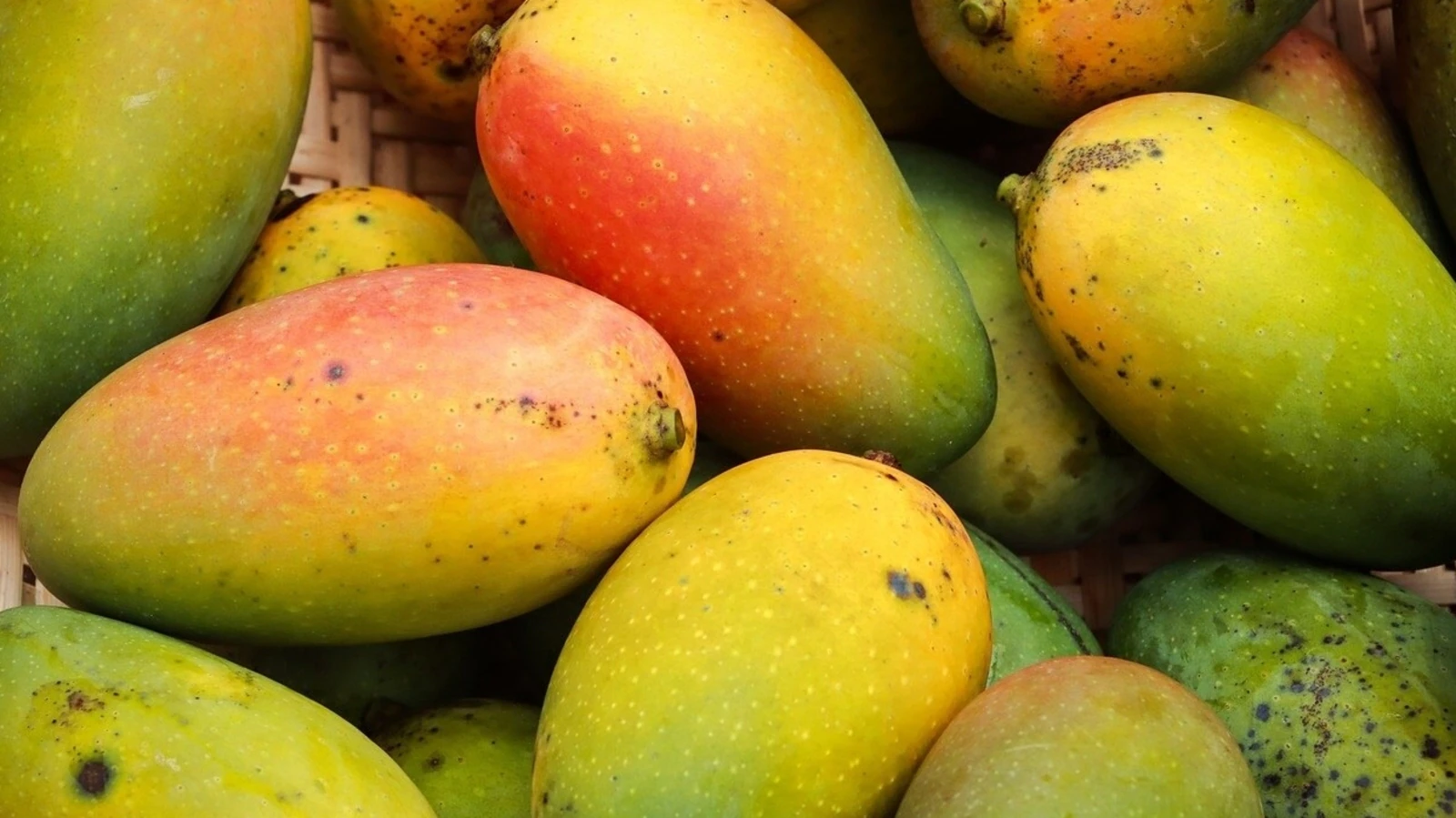
Pakistani mango crop hit by weather disruptions in South Punjab
The mango sector in Pakistan is facing production challenges this season, with climate conditions affecting the output of the Summer Bahisht Chaunsa variety in South Punjab.
30.03.2026
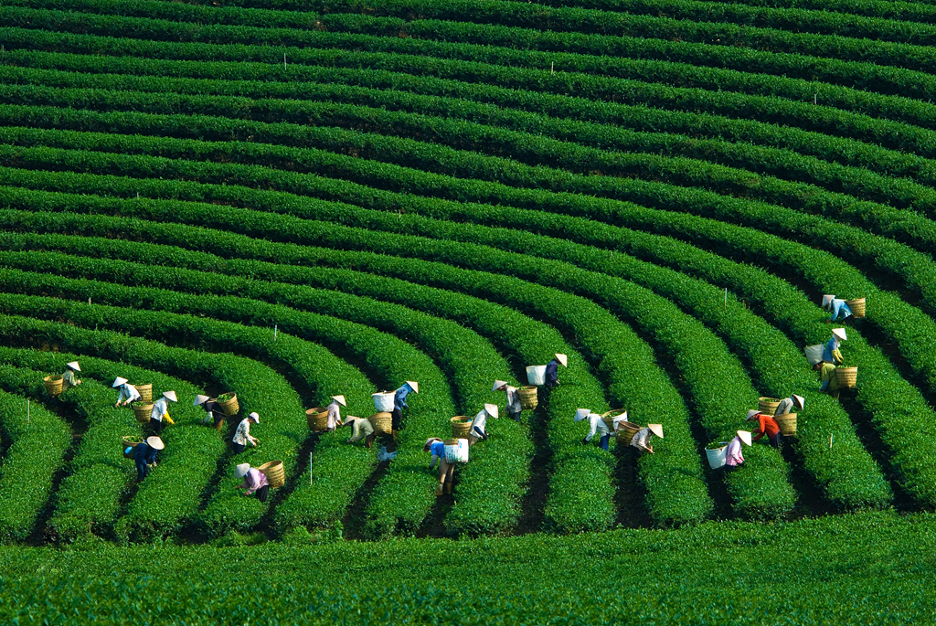
Vietnamese exporters adapt to tighter EU residue limits
Exporters in Vietnam are adjusting production and compliance systems as European Union regulations on maximum residue levels (MRLs) continue to tighten for imported agricultural products.
30.03.2026
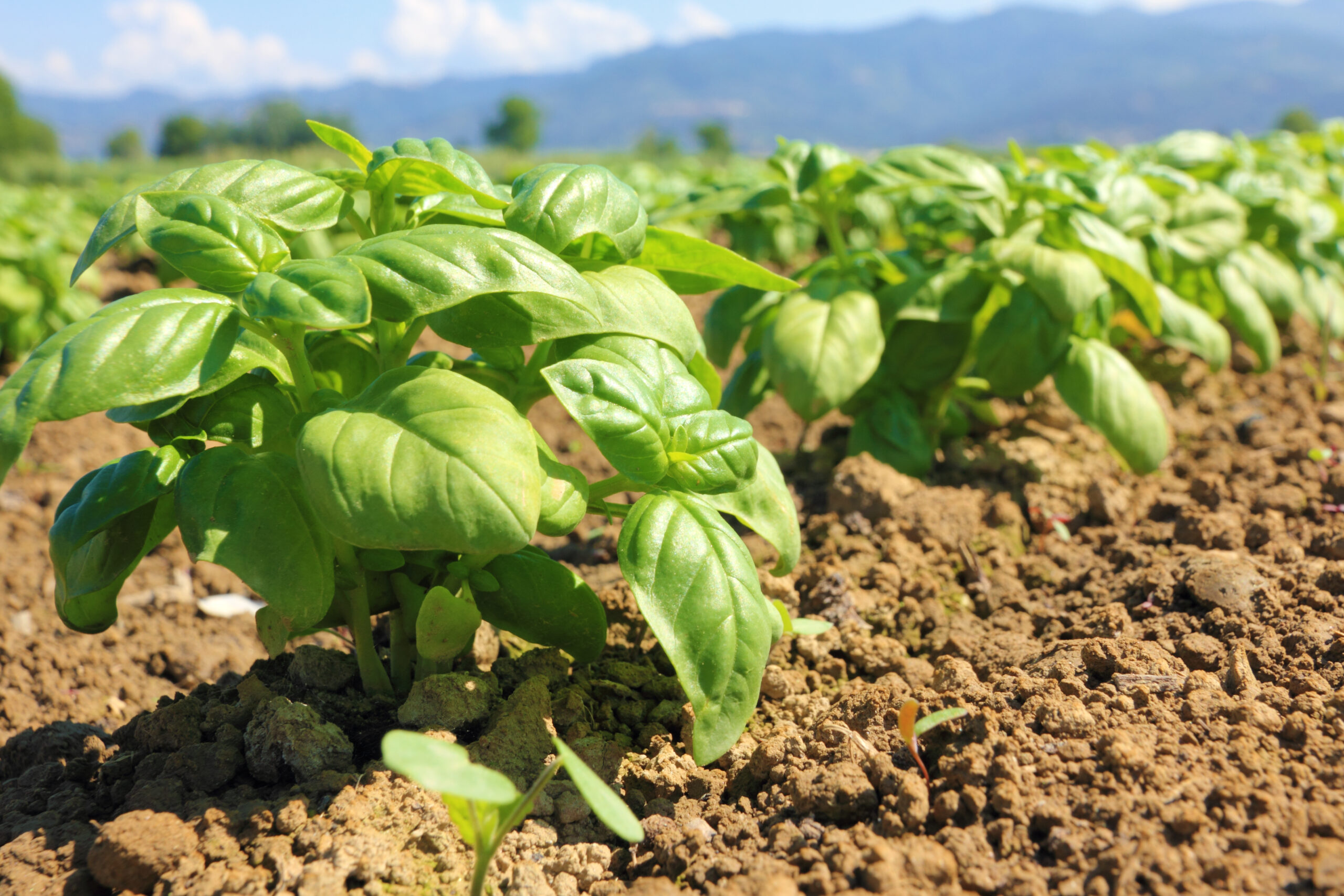
Jamaica - Green Climate Fund approves US$50 million project promoting climate resilient agriculture
The Government has unveiled a US$50 million project promoting climate resilient agriculture.
30.03.2026
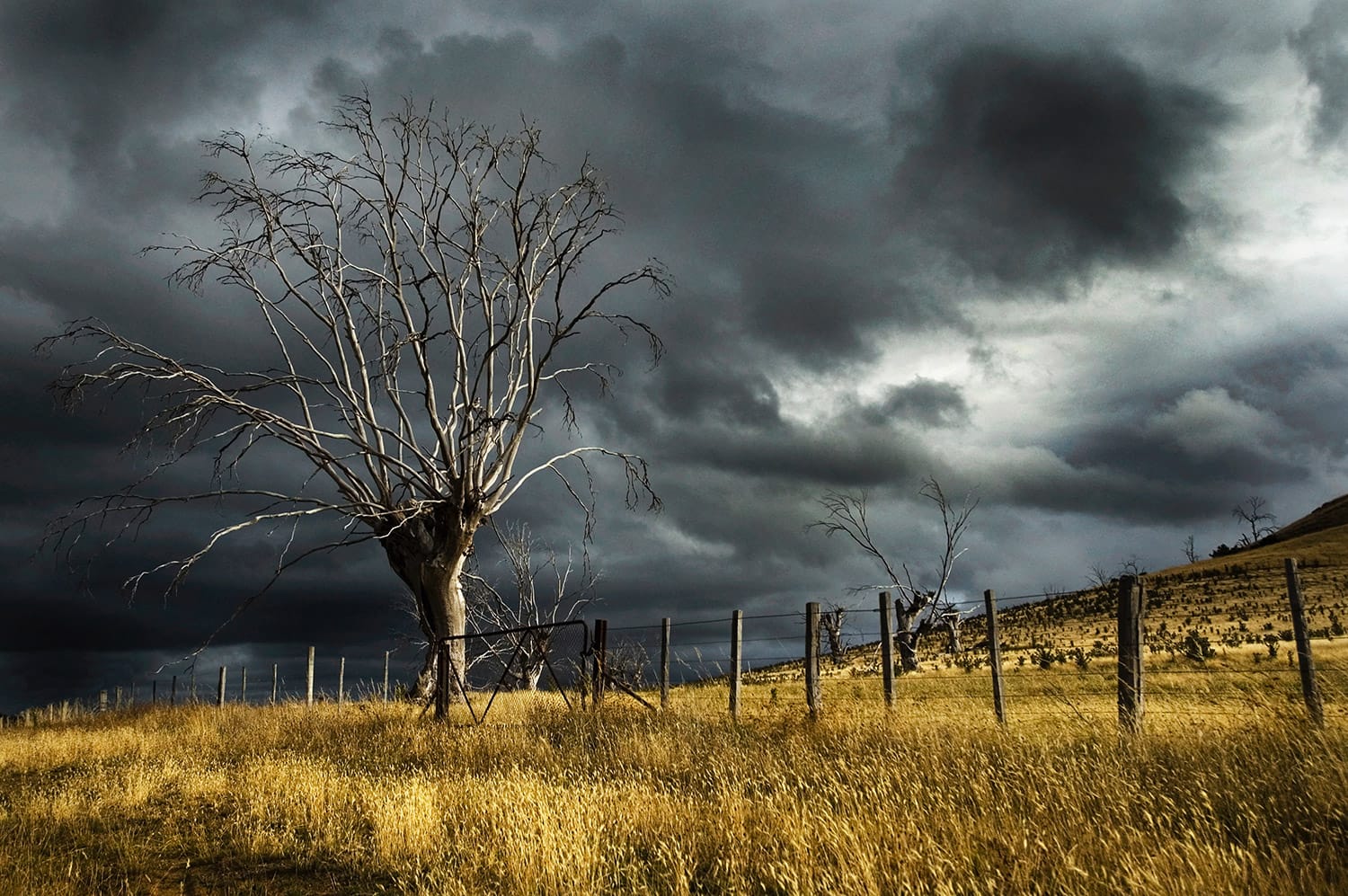
Malaysian crop losses reach up to 50% under extreme weather
The Agriculture and Food Security Ministry in Malaysia has reported that fruit and vegetable losses at the farm level can reach up to 50 per cent under unpredictable weather conditions.
29.03.2026

Nigeria - NiMet Partners Rex For Weather Insurance To Farmers
The Nigerian Meteorological Agency (NiMet) has partnered with REX Insurance to provide weather-based insurance solutions designed to help Nigerian farmers safeguard their livelihoods against climate-related losses.
29.03.2026

India - Sirsa farmers seek insurance payouts, procurement probe
Farmers in the district have raised concerns over unpaid crop insurance claims, delayed compensation and alleged irregularities in rice procurement.
