USA - Flooding causes headache for farmers in Harvey County

17.06.2016 655 views
Wednesday night, about six inches of rain fell in Harvey County.
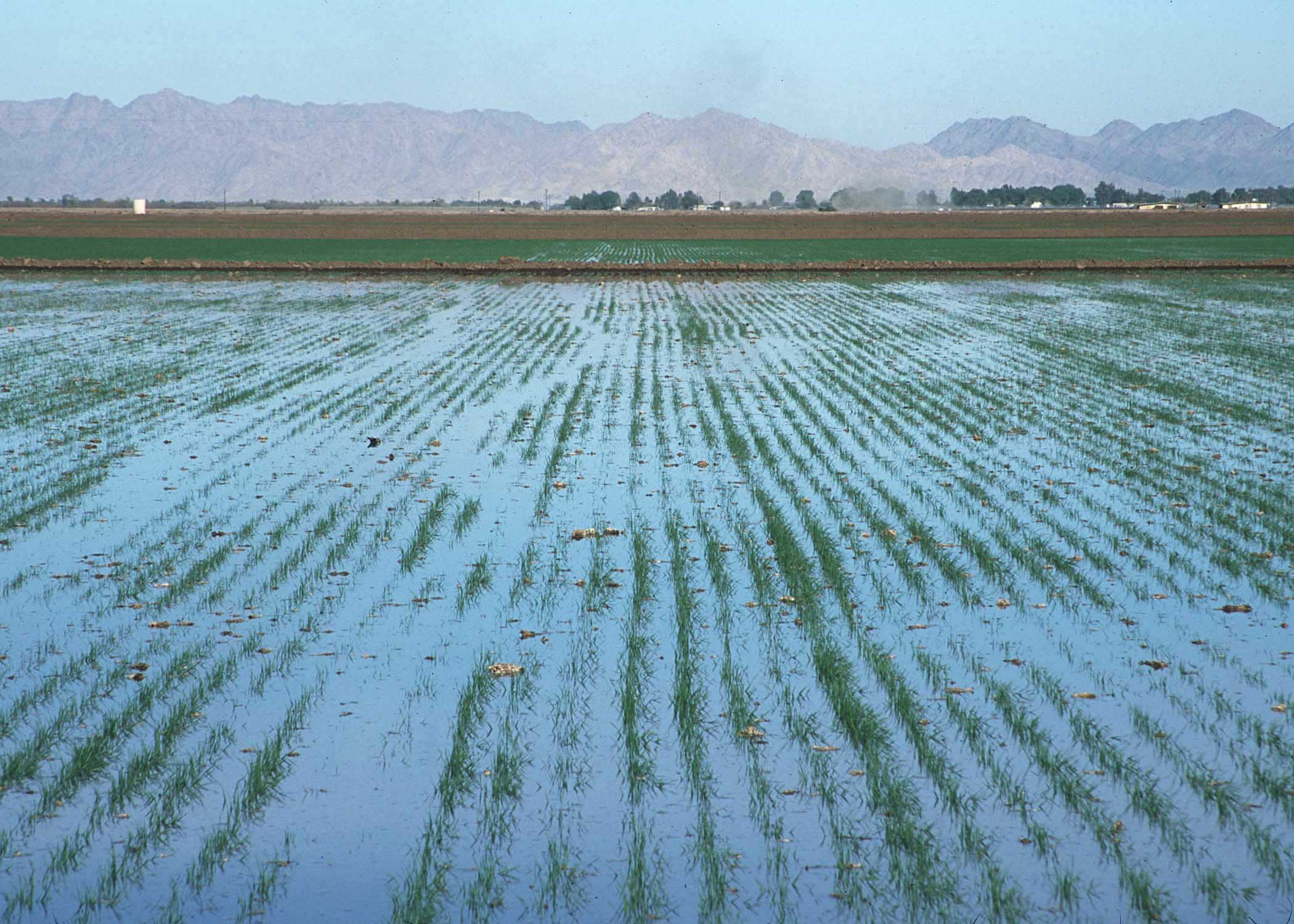
It was a downpour that sent farmers in from their fields and may have damaged some crops. Near Halstead Wednesday, heavy rains and strong winds knocked over trees and flooded streets and fields. It was a downpour unlike anything farmer Rod Miller says he's seen in more than 20 years. "Not this much rain in that short amount of time. I don't think anybody remembers getting that kind of water," Miller says. Miller was out in the field working when the rain started falling Wednesday evening. He was forced to leave his tractor sitting in the field. "Most guys keep running their combine until the rain starts falling," Miller says. "And it just hit hard and fast. We've never seen this kind of water around here." Miller was planning to harvest his wheat when the rain started Wednesday. Now, he'll have to wait until the fields dry out to tell if the wheat is destroyed. "There's going to be a lot of areas in the fields that are washed out and will have to be replanted," he says. Two miles down Highway 50 from Miller's property Thursday afternoon, farmer Rod Berger looked over the land his family has depended on for generations. "I thought it was over, and then it cam from the northwest and really hit us," he says of Wednesday's storms. Hail and strong winds tore the roof off of Berger's tin shed and blew over a 40-foot oak tree that used to sit in his front yard. "It was a beautiful oak, we hated to lose it," Berger says. "Insurance won't cover that." Berger's farm is small compared to others in the area and the main thing he's worried about is his corn. Source - http://www.kwch.com

01.09.2026

South Africa - Grain SA calls for affordable crop insurance as dry weather threatens Swartland wheat

Severe rainfall shortages threatening the Swartland wheat crop have highlighted the need for government support to make crop insurance affordable for dryland producers.

01.09.2026

USA - Florida farms face nation’s highest disaster loss rate

Natural disasters destroy billions of dollars in U.S. agricultural production each year. From drought and wildfires in the West to hail in the Midwest and hurricanes in the Southeast, farms lose an average of $5.1 billion in crops and livestock annually, according to the Federal Emergency Management Agency.

01.09.2026

Luxembourg small farmer struggles with effects of high temperatures on crops

High temperatures over the summer caused an increase of certain pests harmful to vegetables.

01.09.2026

Nearly 8,000 acres of crops damaged due to dry weather in Sri Lanka

Cabinet Spokesman and Minister of Health Dr. Nalinda Jayatissa said that the estimated crop damage caused so far by the prevailing extreme dry weather conditions is nearly 8,000 acres of farmland belonging to around 7,000 farmers.

01.09.2026

Cyprus - Storm damage recorded in 183 homes as crop losses assessed

Damage to 183 homes, mainly in the Nicosia district, has been recorded following the severe weather that hit Cyprus last Saturday, the interior ministry said on Monday.

01.09.2026

USA - New USDA initiative aims to spur cattle herd rebuilding with insurance, conservation program grazing changes

New insurance options, emergency grazing authorities on Grassland Conservation Reserve Program acres, and guaranteed loans for regional meat processors are among the elements of a package unveiled by Agriculture Secretary Brooke Rollins Monday to encourage producers to rebuild the U.S. cattle herd. 

30.08.2026

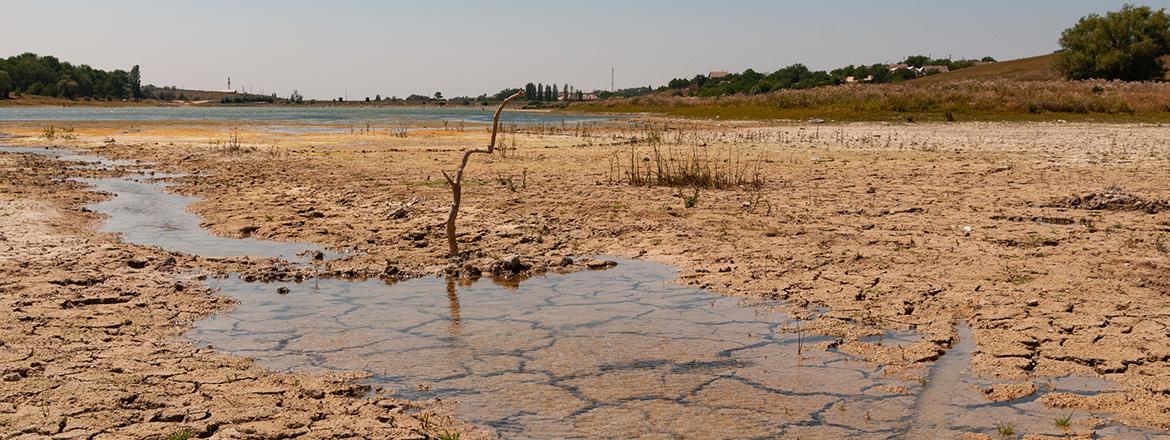
Serbia's Drought Halves Crop Yields, Few Farms Insured

Drought in July and August 2026 cut yields by more than half in parts of Serbia, but only 15 percent of farmland is insured. A corn policy costs about 4,500 dinars per hectare.

30.08.2026

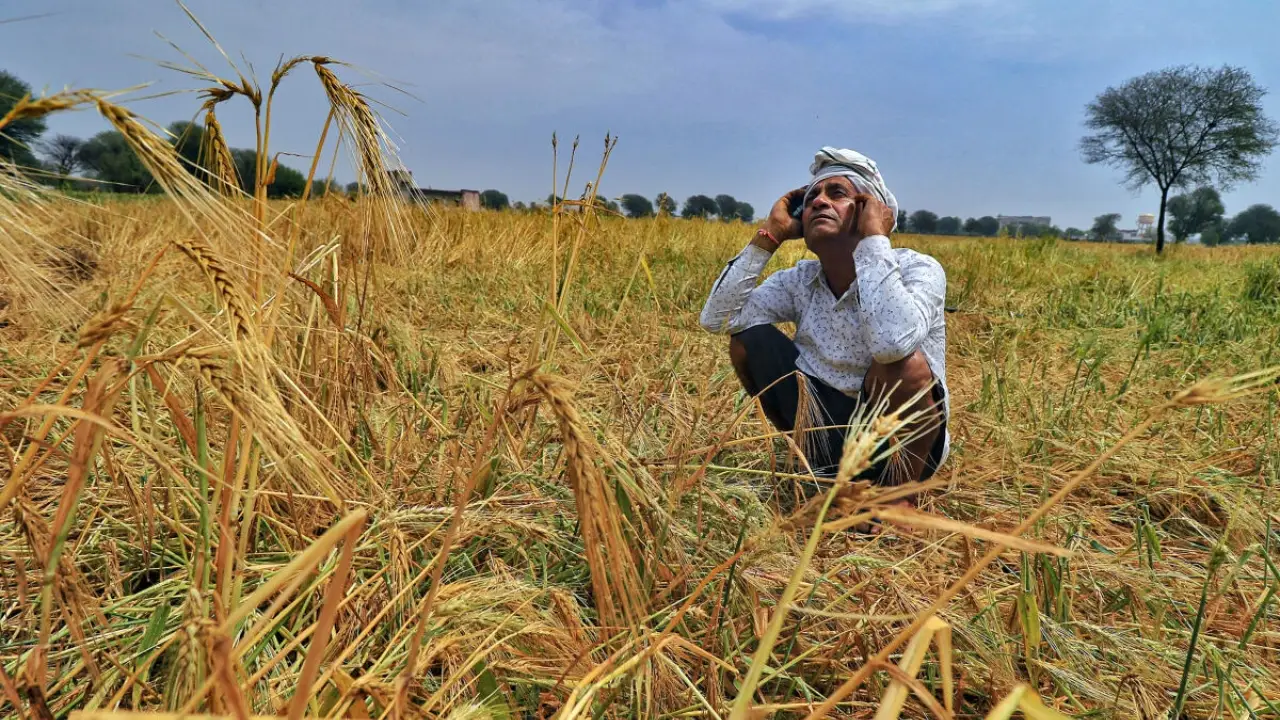
India - Maharashtra Approves ₹23.33 Crore Aid For 17,245 Farmers Hit By Crop Damage

The Maharashtra government has sanctioned ₹23.33 crore in relief for 17,245 farmers whose crops were damaged by floods, excessive rainfall, cyclones and hailstorms.