

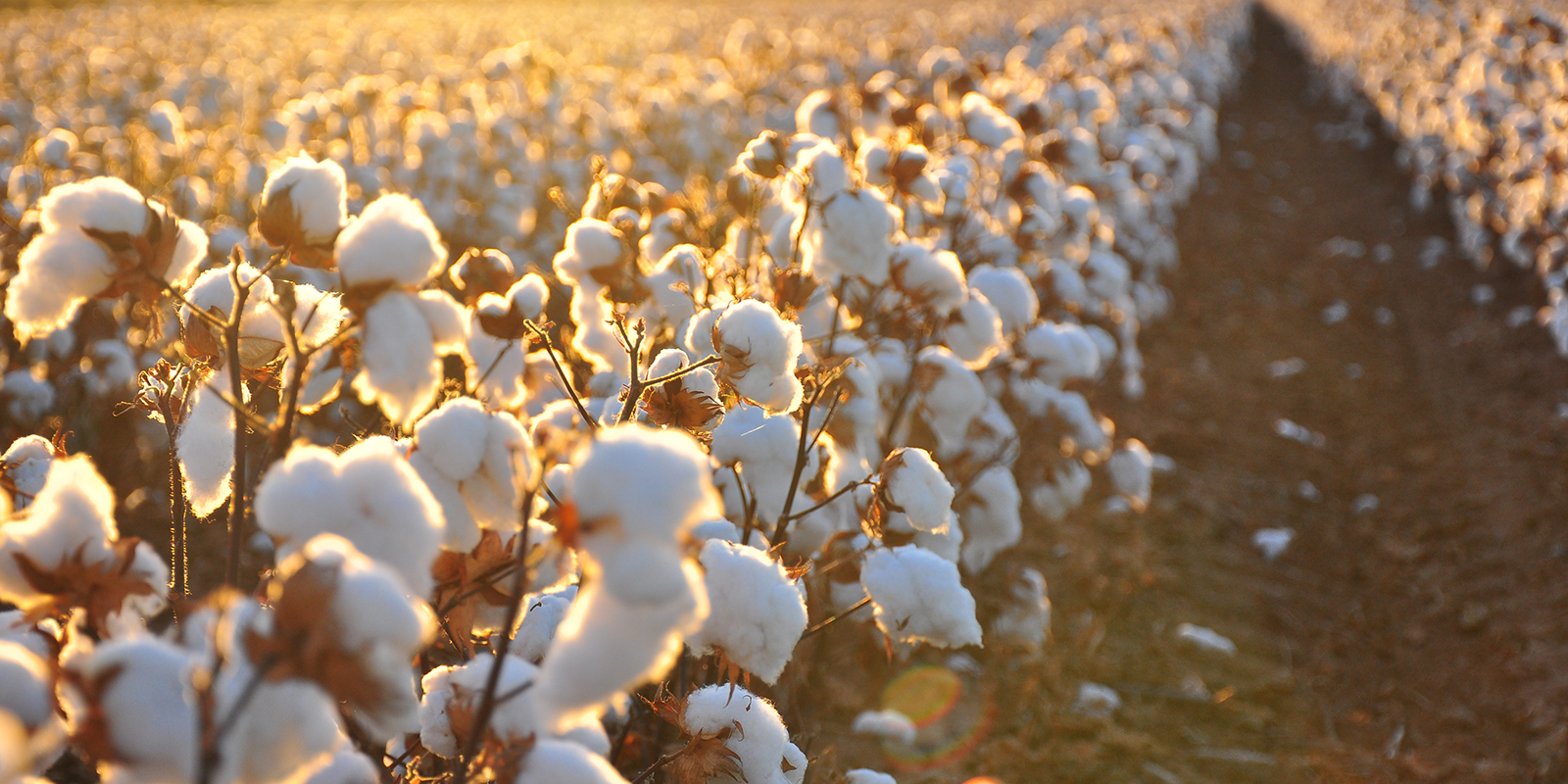
USA - Hail destroys O'Donnell cotton at 'worst possible time'
04.11.2016 397 views
Tatum Bessire does not sugarcoat his cotton’s hail damage.
“It’s pretty ---- bad,” the O’Donnell farmer said, shaking his head.
Producers at the Farmers Co-op Association of O’Donnell on Thursday morning estimated about 30 percent of the area’s cotton has already been harvested. Of the rest, they expect both yield and quality losses from a hailstorm the night before.
The storm came along with a cold front that brought some heavy downpours across the South Plains. But the most intense severe weather — including golf ball-size hail driven by 60 mph winds — was focused mostly around the O’Donnell area, said Meteorologist Robert Barritt with the National Weather Service in Lubbock.
Hail tends to be more common earlier in the growing season. While certainly no fun at that point either, the investments into a crop have been smaller.
But with the crop days away from harvest, the loss is extra painful.
“We got everything possible in it now — all we were waiting for was to pull it off the stalk,” Bessire said. “... It’s never a good time, and this is the worst possible time.”
For South Plains cotton already harvested, a warmer-than-normal October helped quality. So did sunny skies; overcast days were rare that month. Harvest aids such as defoliants and boll-opening chemicals tend to prefer those conditions.
“The above-average October temps were great,” said Seth Byrd, a cotton agronomist with Texas A&M AgriLife Extension Service. “...We not only saw good maturing conditions, we saw really good conditions for defoliation and boll opening.”
Now, the Lubbock branch of the U.S. Department of Agriculture’s cotton-classing program is seeing some great crops. Samples are scoring low in a category that measures contamination with extraneous matter such as tiny leaf pieces.
“It’s definitely looking good,” manager Danny Martinez said. “Overall, compared to last year, the cotton’s very clean.”
Byrd is not surprised.
“That’s a direct reflection of the environment we’ve been defoliating and harvesting in the last few weeks,” he said.
Of course, those high grades could change when the classing office starts receiving rained-on cotton.
Wet fields will delay harvest operations a few days.
But what if the rain also triggers extra plant growth, when it’s no longer necessary?
Well, that depends largely on how many harvest aid applications those crops have had, Byrd said. In fields with no applications yet, for example, more plant growth could mean more leaves to defoliate and a greater risk of contamination.
Fields that have had their first of two applications could still see some terminal growth, though. Acreage with both applications might even have some juvenile regrowth, Byrd said, as he’s already seen on some stalks at his AgriLife research station.
Looking for a bright side
At a futures price of 68-72 cents per pound, the market looks OK — but not outstanding — Darren Hudson said.
The Texas Tech agricultural economist points toward increased cotton use in China and elsewhere as encouraging signs.
“Global use is going up, but global production is going up about the same pace,” he said. “The balance of use to supply has tipped a little in favor of higher prices, but those changes are small.”
Still, when you recall the past couple years of barely break-even prices, it’s hard to complain. Hudson describes the general outlook as “neutral.”
“We’re better than we have been,” he said. “We should view the current situation as positive compared to the last few years, both from a production standpoint and a price standpoint.”
Steve Newsom just started harvesting his 3,000 cotton acres near Sundown. The Hockley Countian could view the rain as an inconvenience, but he’s too grateful for its long-term benefits.
“It’s worrisome with all the bolls we have open, but we never, hardly ever, wanna turn down rain on the High Plains,” he said.
Bessire, the O’Donnell farmer, poured 4 inches from his rain gauge Thursday morning. While he can’t do much about the hail that accompanied it, he still has his faith.
“Just hope for the best,” he said. “It’s not in our hands — it’s up to the good Lord.”
Source - http://lubbockonline.com/
EVENTS

ScaleAgData Stakeholder Engagement Event
22.10.2024The ScaleAgData project is pleased to invite you to our second stakeholder event. Building on the discussions and connections formed during our first webinar, this event will focus on fostering collaboration among stakeholders, providing updates on our project’s progress, and outlining future opportunities for engagement.
RISK EVENTS

Moldova - May frosts caused heavy damage to fruit orchards
10.05.2026The first frosty nights of May have significantly worsened estimates of damage to Moldova's fruit sector from spring frosts. According to initial assessments by fruit market operators, between a quarter and a third of the country's total orchard area was seriously affected.
04.06.2026

India - Delhi raises crop damage compensation after 10 years by over 50% to Rs 75,000 per hectare
In a major relief for farmers, the Delhi government has increased compensation for crop loss caused by rain and hailstorms from Rs 20,000 per acre to Rs 75,000 per hectare.
04.06.2026

Why Tech-Driven Agro-Insurance Has Stumbled in Ethiopia
For decades, Ethiopia’s agricultural sector has remained trapped in a dangerous paradox.
04.06.2026
UK - Rural crime cost Wales £2.2m last year despite fall in offences
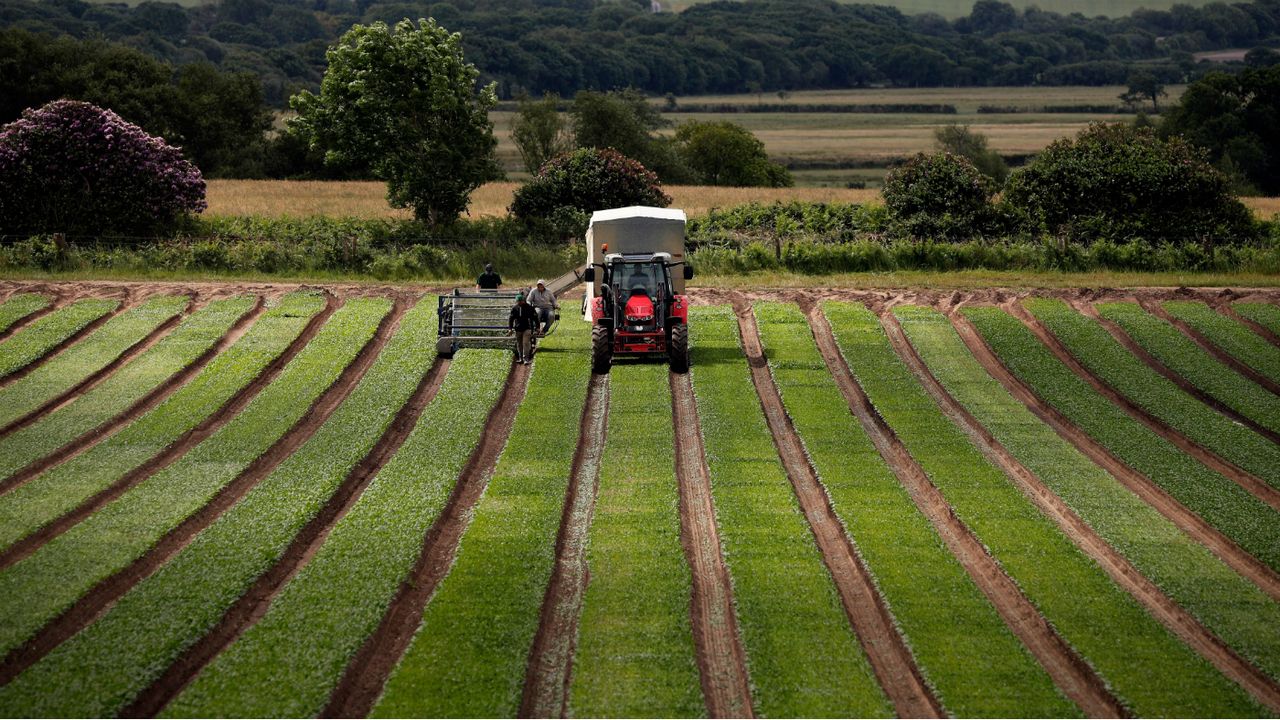
Rural crime cost Wales an estimated £2.2 million last year, with organised criminals continuing to target tractors, livestock and farming equipment despite an overall fall in offences, according to a new report.
04.06.2026

Kenyan Agro-Insurance Startup, Pula Raises US$ 20 Million in Series B Round
Pula, a Kenyan startup that offers insurance to small-scale farmers, aims to serve more than 100 million farmers in Africa after raising US$ 20 million in its Series B round.
04.06.2026
USA - USDA announces $52M to boost public access to private lands for hunting, fishing
The U.S. Department of Agriculture is announcing $52 million to help state and tribal governments encourage private landowners to allow public access to their land for hunting, fishing and other wildlife-dependent recreation through the Voluntary Public Access and Habitat Incentive Program (VPA-HIP).
04.06.2026

Hope Grows in Malawi’s Grain Stores as Farmers Battle Post-Harvest Losses
Some grain rots in poorly ventilated storage. Some is eaten by pests. Some is damaged during drying or transportation before it ever reaches the market.
03.06.2026
Canada - AFSC extends several northern Alberta seeding dates for 2026
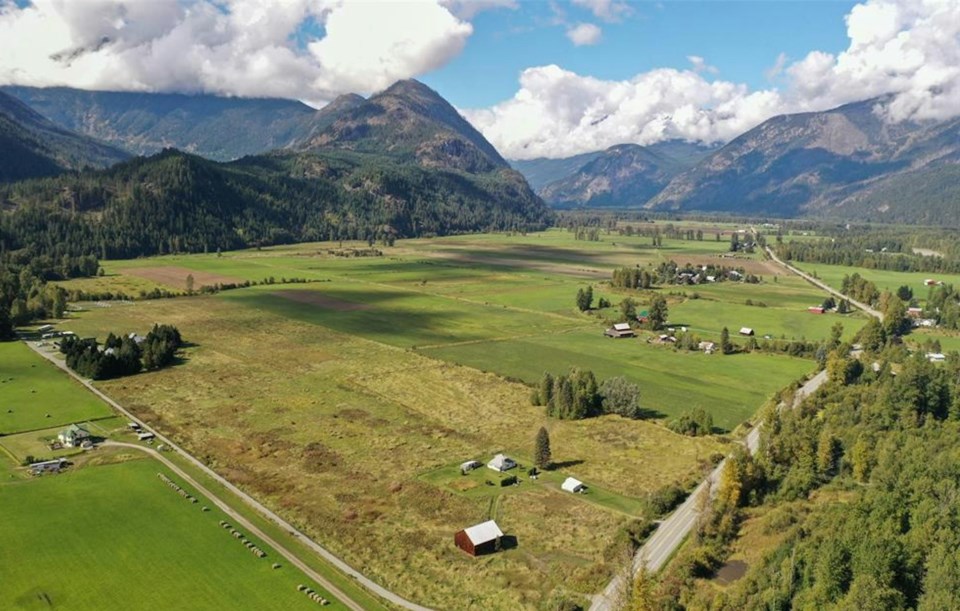
Alberta’s Agriculture Financial Services Corp. (AFSC) is extending the recommended seeding dates in the province’s northeast, northwest and Peace regions for several crops for the 2026 growing season only.
03.06.2026

India - Elephants run amok in Konaje agricultural farm, cause massive crop damage
A herd of elephants, including calves, wreaked havoc on an agricultural farm belonging to Yashodhara Gowda at Pallattadka in Konaje village of Kadaba taluk.
