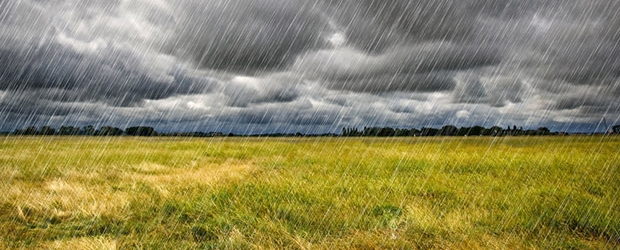
USA - Hard rain could create severe flooding downstream from orchards

15.11.2016 398 views
While there has been extensive ripping of foothill soils several feet deep to allow planting of nut trees, there has been little discussion of the effects on storm runoff from those soils. There are potential pluses and problems. First, the pluses: Ripped soils become more permeable to rainfall penetration and root growth, so light to moderate rainfall infiltrates rather than runs off. That contributes to soil moisture storage and perhaps some very small contribution to groundwater storage, in an area of generally little rainfall. There has been no really hard and prolonged rainfall since the extensive ripping has been done in the foothills of Stanislaus County, so everything seems fine so far. About the problems: Occasionally, prolonged and hard rains have created problems in the past. When such rains occur in the future, there is a potential of overcoming the infiltration capacity of those ripped and now highly erodible soils in hillside orchards. Then overland water flow can cut into the erodible soils and transport large amounts of that soil into stream channels. In turn, that can cause much more runoff than has occurred in the past. Until that happens, everyone politically and economically benefiting from the present situation will say there is no problem. With thousands of hillside acres in our region having been ripped and planted in tree crops, there is no prior precedent anywhere in the country. The odds of such heavy rainfalls are impossible to predict, though the amount of moisture in the atmosphere has been increasing for decades due to ocean warming. That is thought to perhaps account for the unusual strength of storms elsewhere in the country. Some people have noted that grass and weed roots will prevent ripped soils from eroding, but they do not understand that normal settling and compaction due to moderate rainfall will not replicate the compaction prior to ripping. Others note that many farmers have installed barriers to sediment runoff. I doubt such barriers will help much in the event of a truly massive erosion event. If large amounts of sediments enter the streams, due to erosion of ripped soils, the farmers who haven’t even tried to reduce erosion might be fined. Many will have their profits to balance that cost. But homeowners living near areas susceptible to flooding will have nothing to help them unless they’ve bought flood insurance. We will know if my concerns are valid only when we have prolonged and intense rainfall. When that might occur is anyone’s guess; it didn’t occur last year. The main reason I am writing is to encourage homeowners in flood-prone areas to consider buying flood insurance. Insurance rates should be relatively low because insurance companies depend on past experience until shown otherwise. I know of no situation remotely similar to this. Perhaps it’s better to have insurance and not need it than to suffer a flood and realize you’ve lost a great deal.
Source - http://www.modbee.com

04.06.2026

India - Delhi raises crop damage compensation after 10 years by over 50% to Rs 75,000 per hectare

In a major relief for farmers, the Delhi government has increased compensation for crop loss caused by rain and hailstorms from Rs 20,000 per acre to Rs 75,000 per hectare.

04.06.2026

Why Tech-Driven Agro-Insurance Has Stumbled in Ethiopia

For decades, Ethiopia’s agricultural sector has remained trapped in a dangerous paradox. 
04.06.2026

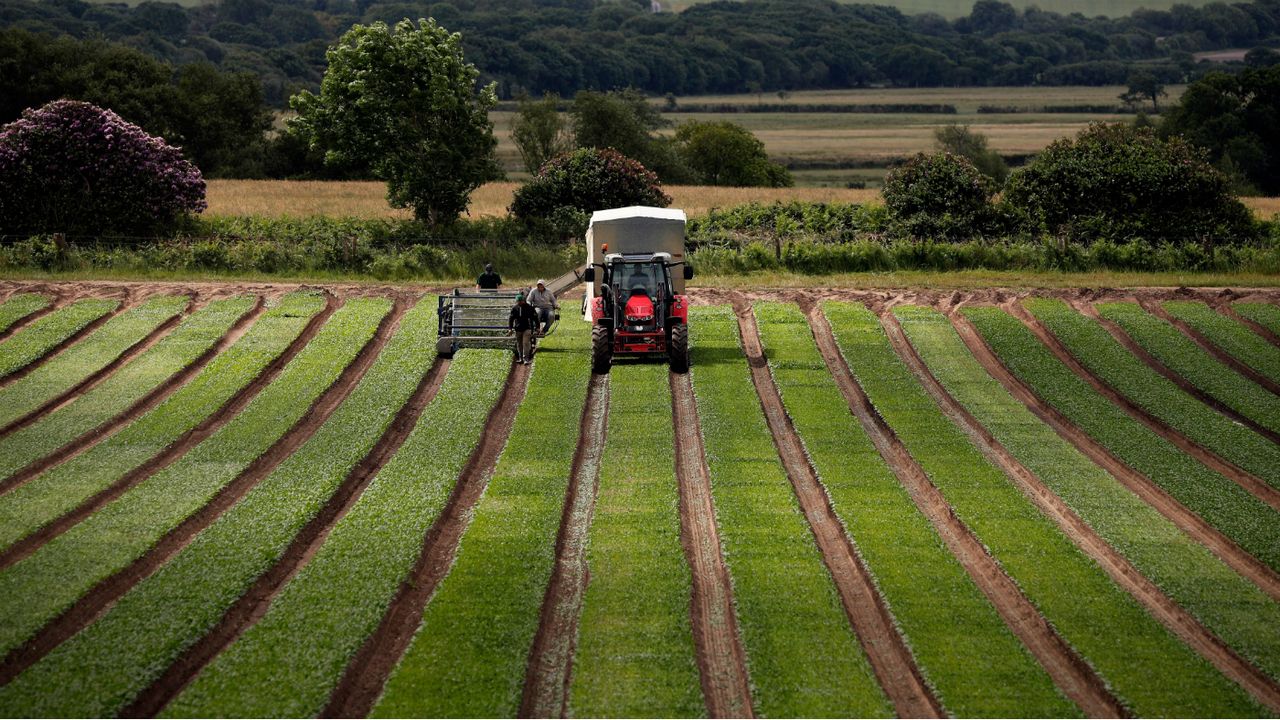
UK - Rural crime cost Wales £2.2m last year despite fall in offences

Rural crime cost Wales an estimated £2.2 million last year, with organised criminals continuing to target tractors, livestock and farming equipment despite an overall fall in offences, according to a new report.

04.06.2026

Kenyan Agro-Insurance Startup, Pula Raises US$ 20 Million in Series B Round

Pula, a Kenyan startup that offers insurance to small-scale farmers, aims to serve more than 100 million farmers in Africa after raising US$ 20 million in its Series B round. 
04.06.2026

USA - USDA announces $52M to boost public access to private lands for hunting, fishing

The U.S. Department of Agriculture is announcing $52 million to help state and tribal governments encourage private landowners to allow public access to their land for hunting, fishing and other wildlife-dependent recreation through the Voluntary Public Access and Habitat Incentive Program (VPA-HIP). 

04.06.2026

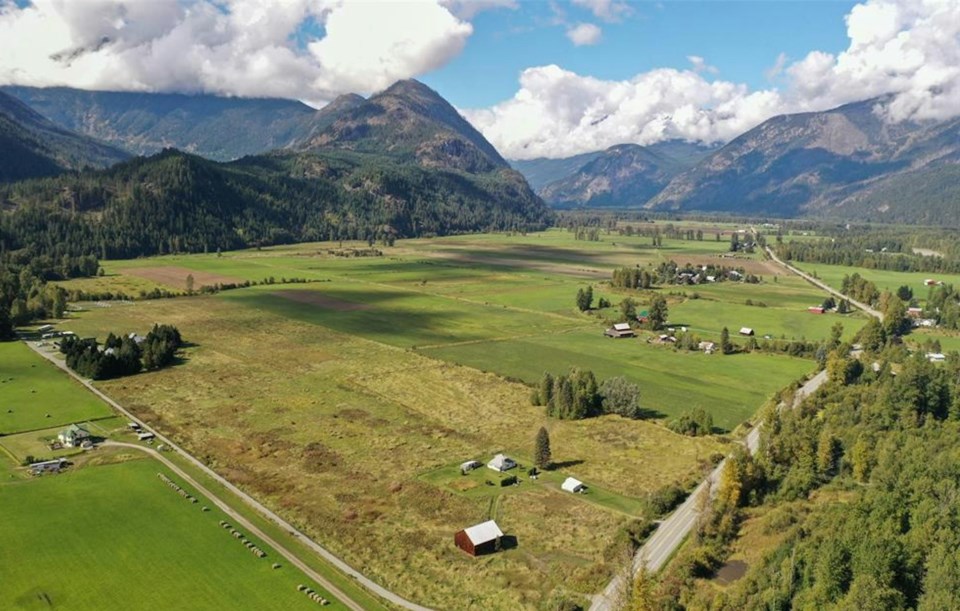
Hope Grows in Malawi’s Grain Stores as Farmers Battle Post-Harvest Losses

Some grain rots in poorly ventilated storage. Some is eaten by pests. Some is damaged during drying or transportation before it ever reaches the market.
03.06.2026

Canada - AFSC extends several northern Alberta seeding dates for 2026

Alberta’s Agriculture Financial Services Corp. (AFSC) is extending the recommended seeding dates in the province’s northeast, northwest and Peace regions for several crops for the 2026 growing season only.

03.06.2026

India - Elephants run amok in Konaje agricultural farm, cause massive crop damage

A herd of elephants, including calves, wreaked havoc on an agricultural farm belonging to Yashodhara Gowda at Pallattadka in Konaje village of Kadaba taluk.