

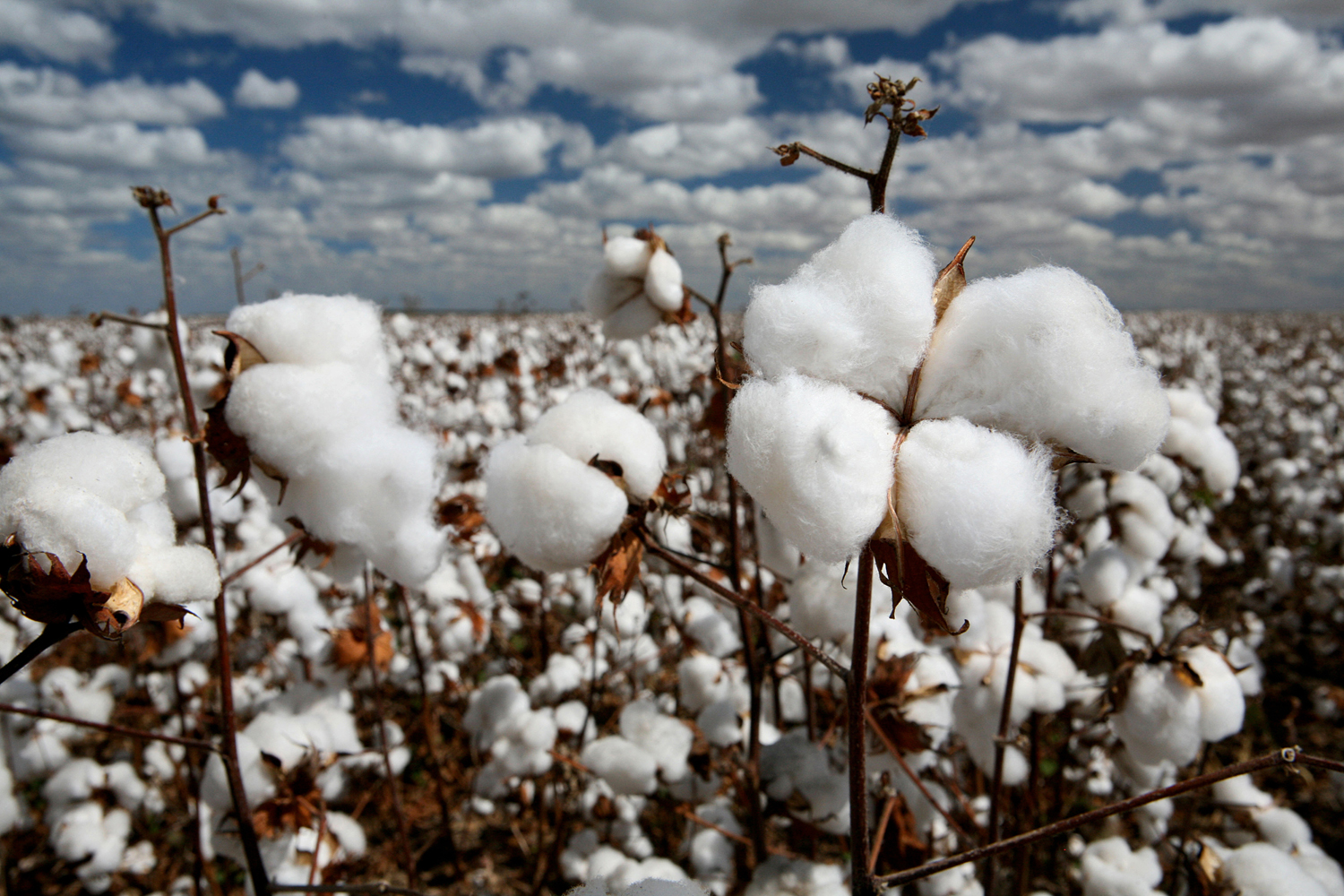
USA - New virus threatens cotton crop
16.07.2019 648 views
A new virus is threatening Alabama’s cotton crop. Many of the state’s cotton farmers are monitoring their fields more closely after agriculture officials issued warnings about the disease. The cotton leafroll dwarf virus has no known cure. The disease is in other southeastern states, and it has reduced cotton yields — measured in bales — by the tens of thousands.
The virus, which is transmitted by aphids, was first discovered in Alabama in 2017. Today it’s in 24 counties. WBHM’s Andrew Yeager spoke with Austin Hagan, plant pathologist with the Alabama Cooperative Extension System. Hagan says researchers are trying to get a clearer picture of the damage so far from the virus. “That’s why this year we’ve got a more aggressive survey program in order to try and establish the distribution and severity of the disease,” Hagan says. “Now we’ve got to put some numbers behind them.” Hagan says officials are trying to determine whether the virus is intensifying.
The impact of the virus has varied across the state. There were major losses in Baldwin County. A number of cotton fields there had 100% infection levels and didn’t yield any cotton and showed severe damage, Hagan says. Other fields, the virus appeared to have hit late enough and resulted in smaller yield loss. But overall, he says, the loss has been relatively small — several thousand acres compared with 340,000 acres of cotton across the state.
The Alabama Cooperative Extension System says the virus diminishes blooms and bolls in the upper canopy, resulting in lower yields. The disease mostly affects late-planted cotton. Officials recommend farmers plant earlier to reduce the chances of severe infection.
Source - https://wbhm.org
EVENTS

ScaleAgData Stakeholder Engagement Event
22.10.2024The ScaleAgData project is pleased to invite you to our second stakeholder event. Building on the discussions and connections formed during our first webinar, this event will focus on fostering collaboration among stakeholders, providing updates on our project’s progress, and outlining future opportunities for engagement.
RISK EVENTS

Moldova - May frosts caused heavy damage to fruit orchards
10.05.2026The first frosty nights of May have significantly worsened estimates of damage to Moldova's fruit sector from spring frosts. According to initial assessments by fruit market operators, between a quarter and a third of the country's total orchard area was seriously affected.
21.10.2026
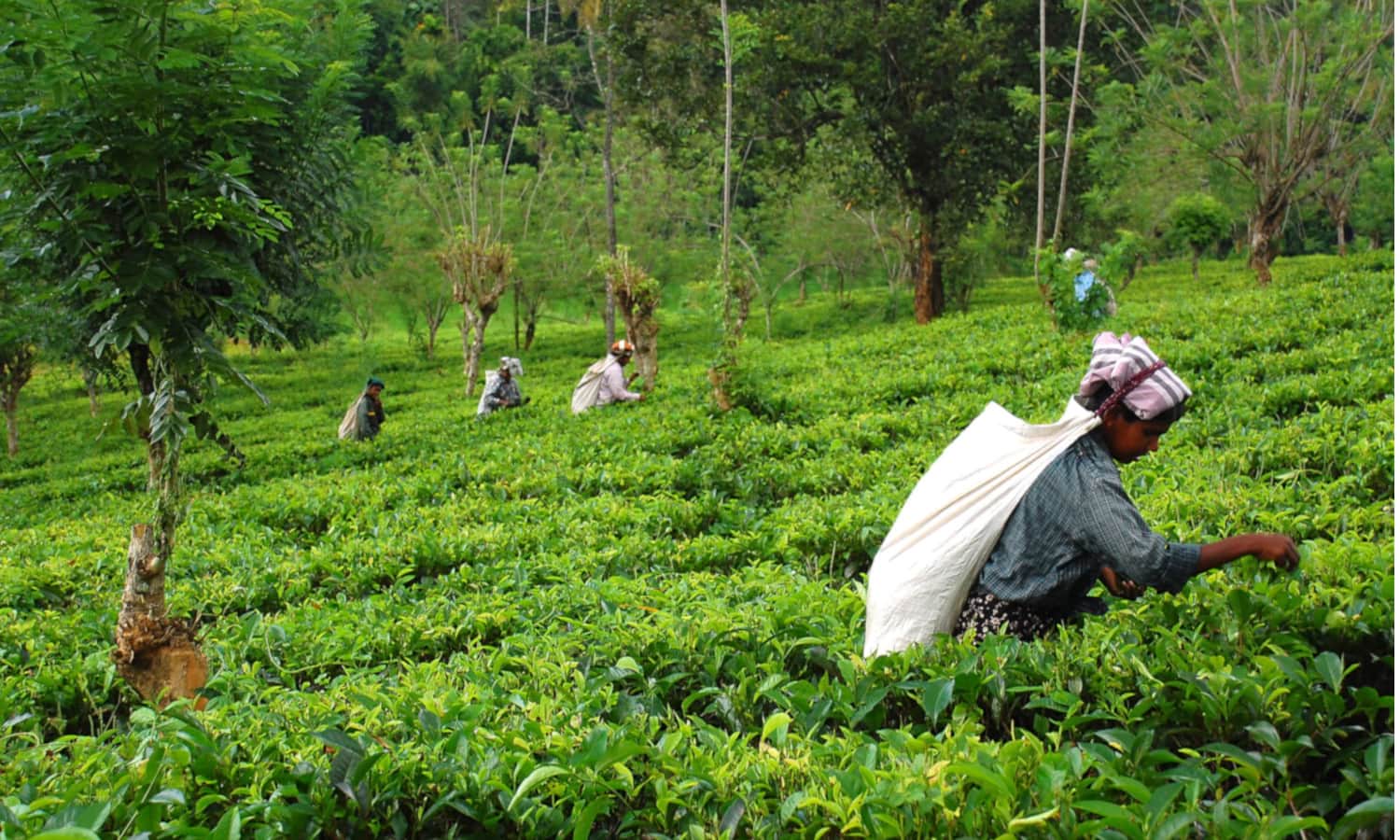
India - Government launches Pashudhan Bima Portal to streamline livestock insurance, claims and monitoring
The Government today launched Pashudhan Bima Portal in New Delhi. The Portal will provide a single, integrated digital platform for livestock insurance, enabling streamlined policy issuance, claim processing, monitoring and reporting in case of animals insured under the Livestock Insurance Scheme of the Department of Animal Husbandry and Dairying.
21.10.2026

Malaysia - Perak Perhilitan monitoring elephant herd after crop destruction complaints
The Perak Department of Wildlife and National Parks (Perhilitan) has received six official complaints this year from oil palm smallholders in Kampung Perlop 1, Sungai Siput, over wild elephants destroying crops and plantation infrastructure.
21.10.2026

Philippines - Ilocos Norte farmers seek insurance aid as drought causes crop damage
Farmers in Currimao, Ilocos Norte, have begun filing agricultural insurance claims after a prolonged dry spell caused an estimated Php 5 million in crop losses, threatening local agricultural production and livelihoods.
21.10.2026

USA - Safety Net or System Change? Minnesota Farmers Weigh Competing Visions
The state’s District 1 race offers a choice between an incumbent focused on crop insurance and markets, and a challenger calling for tariff relief and corporate accountability.
21.10.2026

Philippine farmers face insurance gap as storm losses mount
Proposed subsidy cuts threaten coverage for millions of farmers.
21.10.2026

South Korea - Extreme heat drives livestock insurance claims past 2,000 cases
Extreme summer heat has pushed livestock insurance claims from farms past 2,000 cases in the last two months, with pigs and poultry bearing the brunt.
20.10.2026
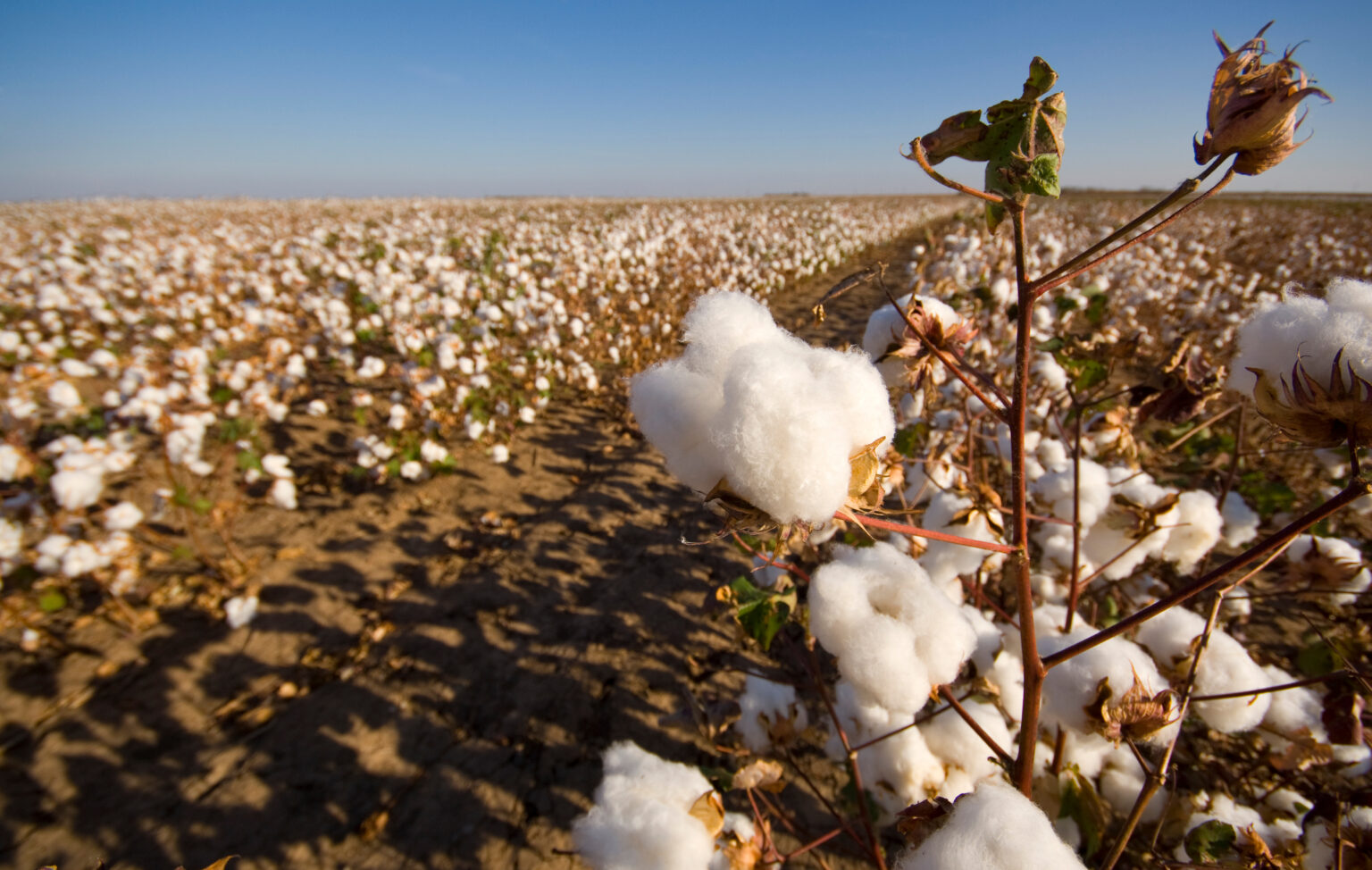
USA - High-Yield Cotton Farms Win Big in New Insurance Policy Shift
Growers can finally combine supplemental coverage with farm programs without losing protection that fits their operation. Meanwhile, federal officials are developing trade incentives for four countries that could expand demand for American cotton.
20.10.2026
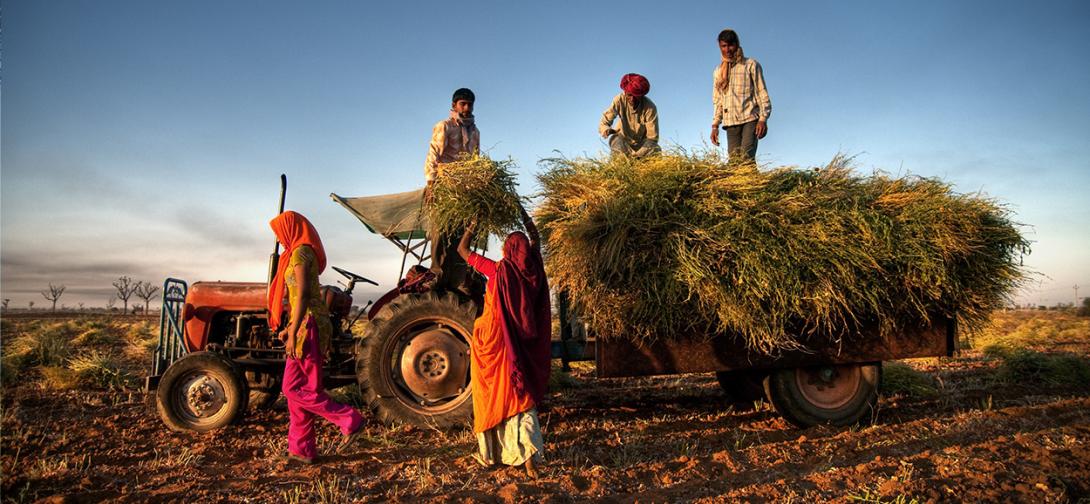
India - Sanjay Lalla to head EASE project for PSU general insurers
The proposed EASE framework could provide a common reform roadmap for public sector general insurers, with a focus on improving productivity, strengthening governance, modernising technology platforms and enhancing customer service. Its effectiveness, however, will depend on how quickly the recommendations are translated into measurable operational and financial improvements.
