USA - Warmer weather puts fruit trees at risk from early growth

09.04.2021 401 views

The calendar may say April, but it feels like summer across mid-Michigan.

While that may be good news for outdoor activities, fruit growers are worried about possible crop losses.

Unseasonably warm weather has accelerated growth to the point that they’re more vulnerable to a sudden cold snap.

Thoughts of 2012 are starting to enter the minds of mid-Michigan fruit farmers.

That’s when the state lost it’s entire crop of apples, cherries and peaches due to ten days of record heat in March, followed by sub-freezing temperatures in both April and May.

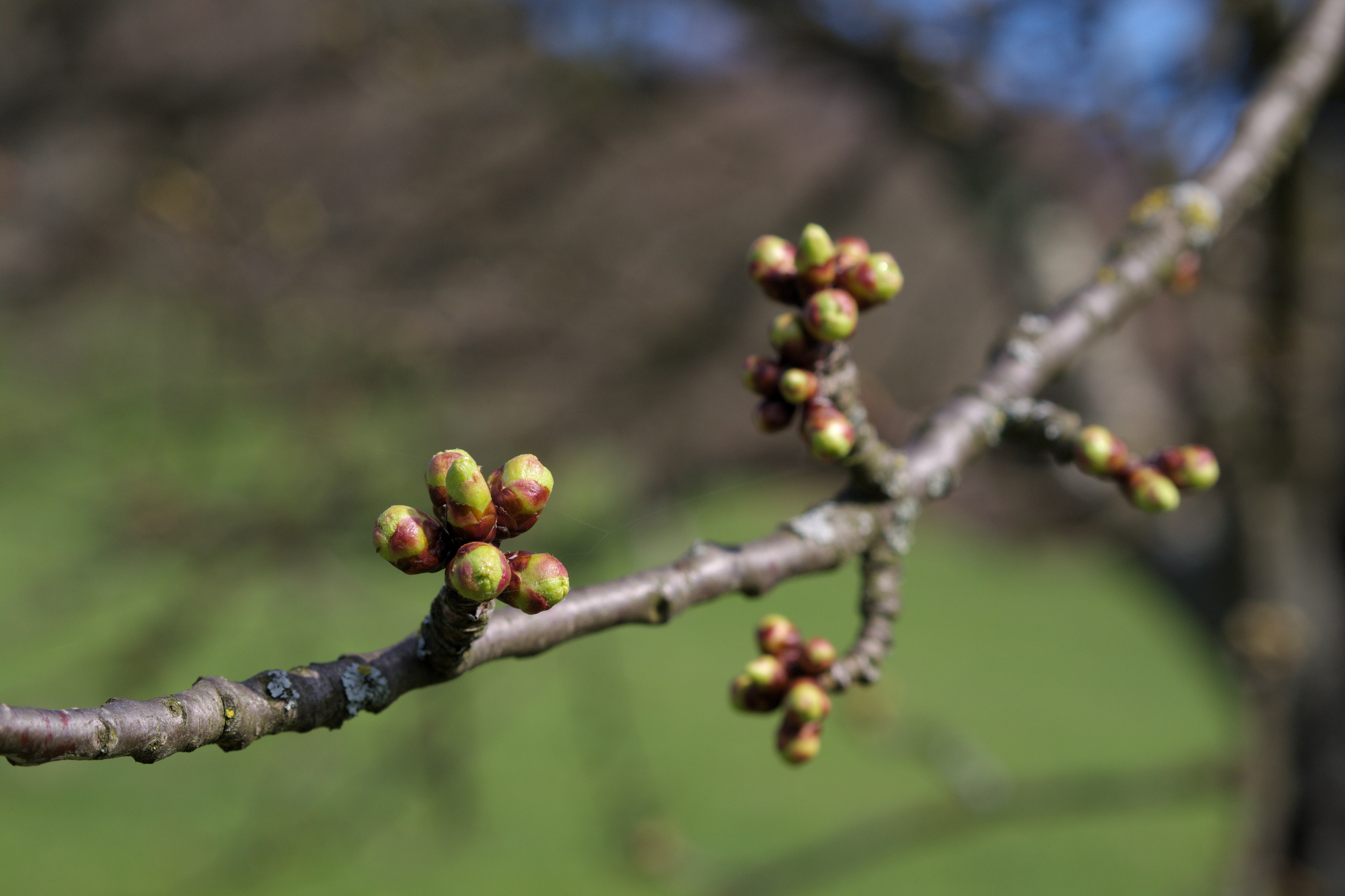
While what’s happening this spring is more gradual, buds and leaves are three weeks or more ahead of schedule.

“These don’t go in reverse either. They just keep moving ahead. Every time it’s above forty two degrees, the leaves keep expanding. They’re getting to the point right now where the buds in here, the apples in here, are getting pretty vulnerable”, said Almar Orchards owner Jim Koan.

Koan has seen it all in his 45 years growing apples.

He says temperatures in the low 20s will damage 90% of his apple crop.

But, once flowers appear, even the mid 20s will cause extensive damage.

And, it’s not just the cold he’s concerned about.

“Because we had drought last year and then not a lot of snowfall, and no spring rains to speak of, my water reserve down low for the trees down deep in the soil, there is none,” added Koan.

Koan has noticed a shift to more seasons with weather-related crop damage.

Damage that is putting pressure on more than just his trees.

“Margins of profit is smaller and smaller and smaller. So that every time we do freeze off, because of the changing climate, it hurts us even more. Because, I don’t have the reserve any more in the bank that I used to.”

Some good news for growers, sub-freezing temperatures look unlkely, at least for the next couple of weeks, and more rain is in the forecast.

If there are no weather issues, growers expect a crop of larger sized fruit than last year, when dry weather produced many smaller and sweeter apples. Source - https://www.abc12.com


15.12.2025

India - Delayed crop loss survey keeps Cauvery delta farmers in limbo

Nearly 90,000 hectares of samba and thalady crops are submerged, raising fears for the next cultivation cycle.

15.12.2025

Romanian farmers to get financing support with €25 million EIB loan to Agricover Credit

Romanian farmers will be eligible for extra financing as a result of a €25 million loan that Agricover Credit IFN SA is receiving from the European Investment Bank (EIB). 

15.12.2025

UAE launches AI ecosystem to boost global agricultural resilience

The United Arab Emirates has launched an AI-powered agricultural ecosystem, partnering with global institutions to help farmers adapt to climate change and food security challenges.

15.12.2025

Bulgaria Opens €278M CAP Grant Calls for Farm Investments in Vulnerable Sectors

CAP Investment Support Calls Open in Bulgaria

15.12.2025

India - Maize Farmers in Bihar’s East Champaran Hit by Crop Diseases After Floods and Drought

Farmers in eastern Bihar say fungal and bacterial infections are damaging young maize plants, raising fears of yield losses after a season already disrupted by floods and drought. 

15.12.2025

Farmers’ Revolt in Greece Intensifies Amid State Repression

Greek farmers have escalated nationwide protests in December 2025, deploying thousands of tractors to block major highways, borders, ports, and even airports like Heraklion in Crete. 

14.12.2025

USA - USDA launches $700 million pilot to expand regenerative agriculture

The U.S. Department of Agriculture on Wednesday unveiled a $700 million pilot program to help farmers adopt regenerative agriculture practices aimed at improving soil health, water quality and long-term farm productivity while strengthening the nation’s food supply.

14.12.2025

South Africa - Hail and flooding demand critical crop insurance safety net

A single storm can wipe out a season's work. With climate change creating new hail hotspots, as seen across four South African provinces recently, the threat is less predictable than ever.