

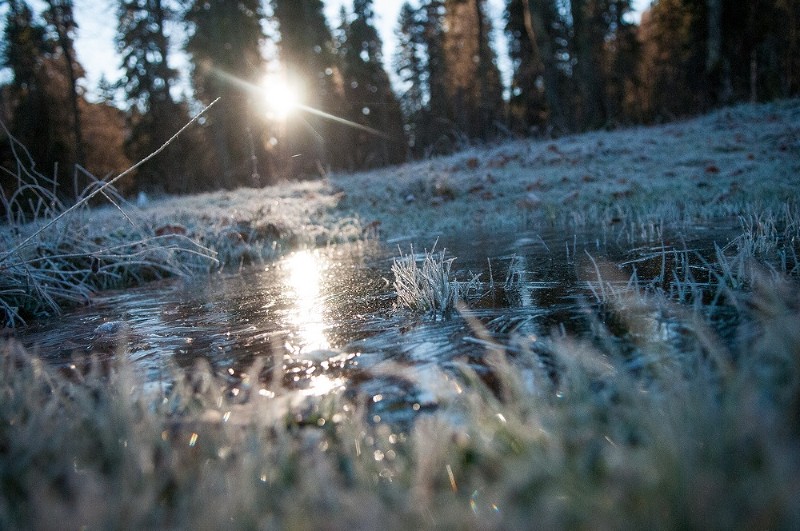
USA - Winter tougher on farmers than plants and animals
24.01.2017 383 views
A common question I get when the temperatures dip below zero is “Will the extreme cold affect agriculture in any way?”
Everyone’s first hope, it seems, is that insect numbers may be down as a result of some sub-zero temperatures. As it turns out, insects are rugged little creatures.
Insects that overwinter in our region often take shelter underground or inside plant materials that can moderate the extreme temperatures. Others have adapted by laying eggs capable of surviving months of cold, wet, hot or dry conditions, only to hatch when conditions are favorable for survival.
Most plants we commonly use in agriculture have adapted well to our climate. Annuals such as corn and soybeans produce their seeds before the winter temperatures set in.
Perennials such as alfalfa have been adapted to survive in our region. In fact, some alfalfa varieties sold in southern portions of the U.S. are perennials in Alabama, but annuals in the North.
Fruit trees, particularly peaches and cherries, are perhaps the most sensitive to the cold of any plants we raise in Michiana. Yet, most of the crop loss we see in these fruits occurs in the spring when the buds or flowers are exposed to lower than typical seasonal temperatures.
Most animals on modern farms are raised in climate-controlled or moderated environments, which relieve the animal of much of the risk of severe cold injury. Perhaps the biggest risk to livestock in extreme weather is water, or lack thereof.
A lactating dairy cow needs 40 to 50 gallons of water a day to maintain production. Imagine the concern a dairy farmer has when pipes freeze and the cows cannot get enough water.
It is no wonder that when new barns are built, there is great care to bury the water lines well below the frost line, which is 60 inches deep in our region.
When it comes down to it, plants and animals really do fairly well when our temperatures drop below zero. However, the people who care for farm are often put under a great deal of stress: anything from burst water pipes, to frozen manure scrappers and dead batteries.
Winter weather may be one reason why only 2 percent of the population farms these days.
Source - http://www.agrinews-pubs.com
EVENTS

ScaleAgData Stakeholder Engagement Event
22.10.2024The ScaleAgData project is pleased to invite you to our second stakeholder event. Building on the discussions and connections formed during our first webinar, this event will focus on fostering collaboration among stakeholders, providing updates on our project’s progress, and outlining future opportunities for engagement.
RISK EVENTS

Moldova - May frosts caused heavy damage to fruit orchards
10.05.2026The first frosty nights of May have significantly worsened estimates of damage to Moldova's fruit sector from spring frosts. According to initial assessments by fruit market operators, between a quarter and a third of the country's total orchard area was seriously affected.
04.06.2026

India - Delhi raises crop damage compensation after 10 years by over 50% to Rs 75,000 per hectare
In a major relief for farmers, the Delhi government has increased compensation for crop loss caused by rain and hailstorms from Rs 20,000 per acre to Rs 75,000 per hectare.
04.06.2026

Why Tech-Driven Agro-Insurance Has Stumbled in Ethiopia
For decades, Ethiopia’s agricultural sector has remained trapped in a dangerous paradox.
04.06.2026
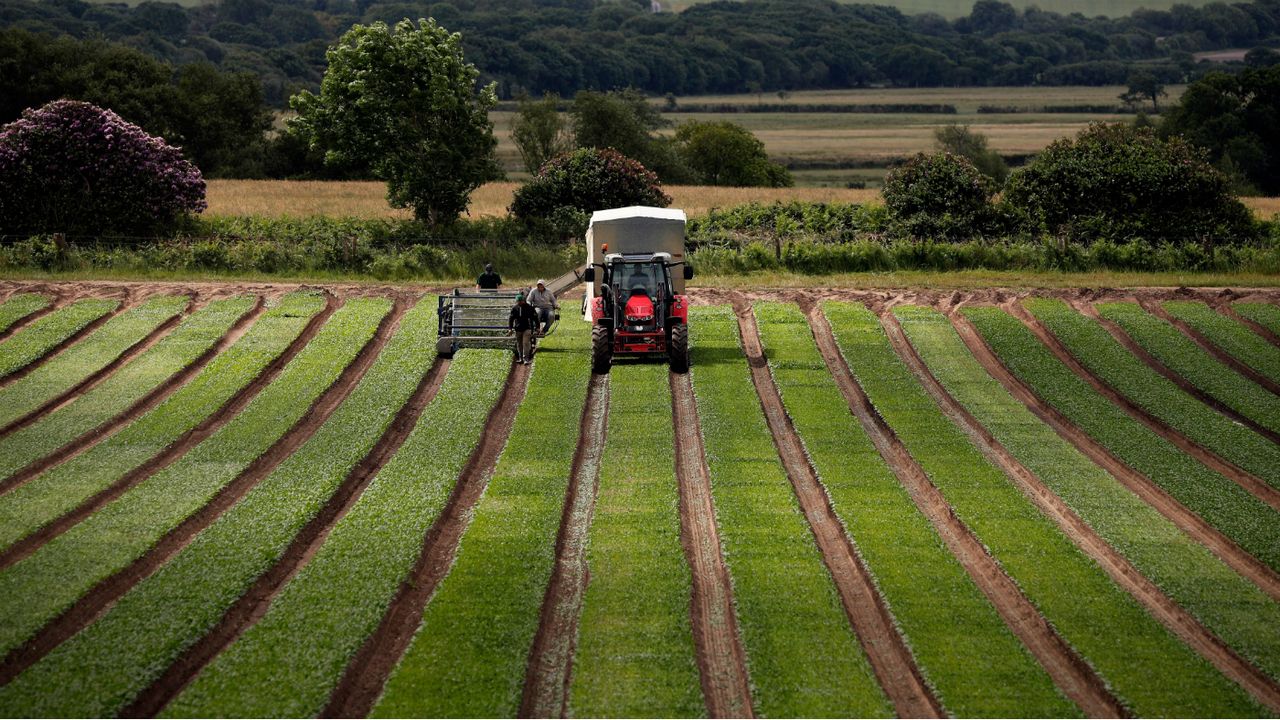
UK - Rural crime cost Wales £2.2m last year despite fall in offences
Rural crime cost Wales an estimated £2.2 million last year, with organised criminals continuing to target tractors, livestock and farming equipment despite an overall fall in offences, according to a new report.
04.06.2026

Kenyan Agro-Insurance Startup, Pula Raises US$ 20 Million in Series B Round
Pula, a Kenyan startup that offers insurance to small-scale farmers, aims to serve more than 100 million farmers in Africa after raising US$ 20 million in its Series B round.
04.06.2026
USA - USDA announces $52M to boost public access to private lands for hunting, fishing
The U.S. Department of Agriculture is announcing $52 million to help state and tribal governments encourage private landowners to allow public access to their land for hunting, fishing and other wildlife-dependent recreation through the Voluntary Public Access and Habitat Incentive Program (VPA-HIP).
04.06.2026

Hope Grows in Malawi’s Grain Stores as Farmers Battle Post-Harvest Losses
Some grain rots in poorly ventilated storage. Some is eaten by pests. Some is damaged during drying or transportation before it ever reaches the market.
03.06.2026
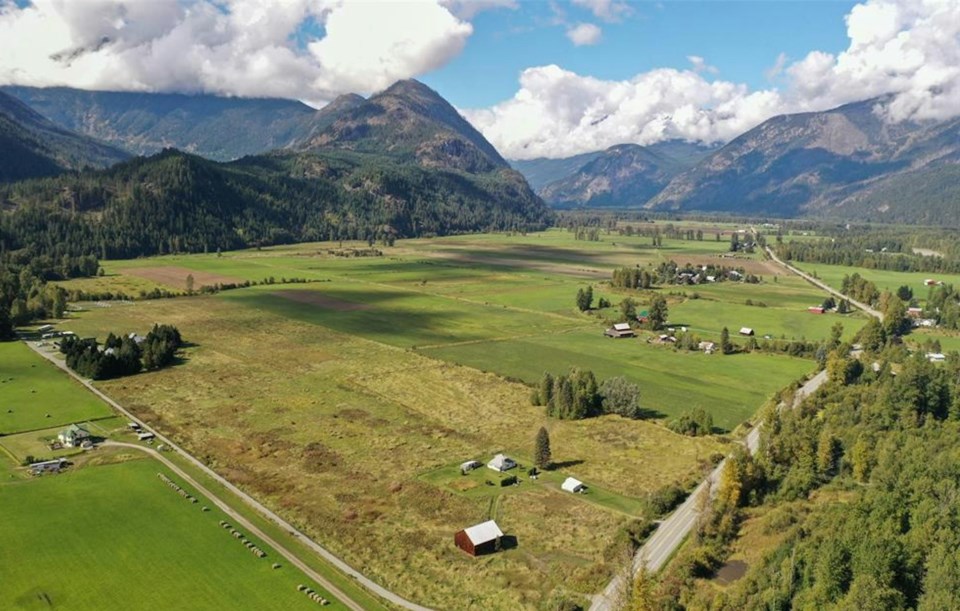
Canada - AFSC extends several northern Alberta seeding dates for 2026
Alberta’s Agriculture Financial Services Corp. (AFSC) is extending the recommended seeding dates in the province’s northeast, northwest and Peace regions for several crops for the 2026 growing season only.
03.06.2026

India - Elephants run amok in Konaje agricultural farm, cause massive crop damage
A herd of elephants, including calves, wreaked havoc on an agricultural farm belonging to Yashodhara Gowda at Pallattadka in Konaje village of Kadaba taluk.
