South African growers measure effects of rain, cyclone on cropsern

23.01.2012 264 views
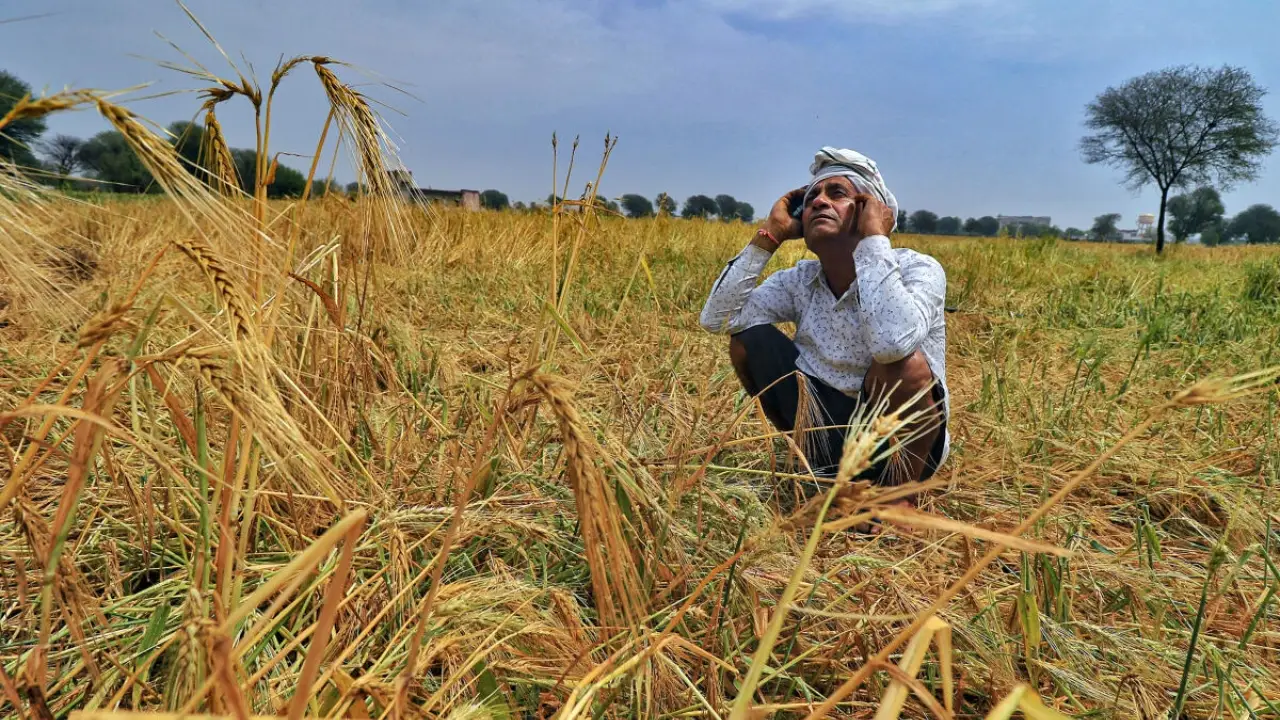
South Africa’s table grape crop is set to fall by around 3% due to recent rain in the Hex River Valley, while on the eastern side of the country citrus growers expect very little damage from a recent cyclone and wet weather.

A South African Table Grape Industry (SATI) release said at least five producers in the valley were significantly affected by severe thunderstorms on Jan. 18 and more rain on Jan. 19, with high winds causing some vineyard trellis systems to collapse.

The release said hail damage ranging from 5-60% was recorded in other blocks, and while it is too early for exact calculations, it is expected that around 500,000 (4.5kg) cartons were lost because of the storm.

This means that the industry’s crop forecast has been reduced from 17.8-18.2 million cartons down to 17.3-17.7 million cartons for 2011-12.

Meanwhile, extreme weather has been recorded in South Africa’s northeastern and eastern areas, but the Citrus Growers’ Association of Southern Africa (CGA) does not expect crops to be majorly impacted.

“The sun is shining today (Friday, Jan. 20) in Hoedspruit after Cyclone Dando dumped the equivalent of the regions annual rainfall in one day – 380 mm in a day (annual rainfall 420mm),” says CGA CEO Justin Chadwick.

“Although this would have disrupted farming operations and damaged infrastructure, and impacted on some services, it is not expected to be a major influence on the regions 2012 citrus crop.

“Most growers have planted on ridges and the orchards are well drained.  In fact some would say that the trees have been well watered.”

Chadwick adds that heavy rains also fell in the Onderberg Region, cutting off Crocodile River bridge access to the Kruger National Park.

“The Onderberg region received a third of their rainfall in one day, with 200mm recorded. As in the case of Hoedspruit there is anticipated to be little impact on the crop with the probable advantage of better sizing.”

Source - http://www.freshfruitportal.com/

29.03.2026

Nigeria - NiMet Partners Rex For Weather Insurance To Farmers

The Nigerian Meteorological Agency (NiMet) has partnered with REX Insurance to provide weather-based insurance solutions designed to help Nigerian farmers safeguard their livelihoods against climate-related losses.

29.03.2026

India - Sirsa farmers seek insurance payouts, procurement probe

Farmers in the district have raised concerns over unpaid crop insurance claims, delayed compensation and alleged irregularities in rice procurement. 

29.03.2026

ILO Training in Uzbekistan Equips Farmers to Strengthen Cotton Farming and Labour Compliance

A central theme of the training was the promotion of labour rights and occupational safety, particularly critical in labour-intensive cotton farming.

29.03.2026

India - Yogi Adityanath Directs Prompt Crop Loss Survey and Timely Compensation for Farmers

On Friday chief minister Yogi Adityanath ordered the relevant authorities to conduct an instant survey to determine the extent of damage on crops due to unseasonal rain and to provide compensation to those harmed farmers as early as possible.

29.03.2026

Philippines - PCIC releases nearly ₱197K to Puerto Princesa farmers hit by Typhoon Tino

Thirty-three farmers in Puerto Princesa City received a total of PHP 196,996.70 in insurance claims from the Philippine Crop Insurance Corporation (PCIC) for losses caused by Typhoon Tino.

29.03.2026

Australia - Cyclone Narelle destroys WA banana crops, Carnarvon growers hit hard

Fruit and vegetable producers in one of Western Australia's key food growing regions are counting the cost of Cyclone Narelle, with one banana grower reporting more than 80 per cent of his crop has been destroyed.

26.03.2026

USA - Government Payments and Crop Insurance Strengthen 2026 Outlook for Farmers

Before the start of the Iran conflict, 2026 farm economics was shaping up to be in a better position than 2025. 

26.03.2026

USA - Hawai‘i Farmers Confront $11M In Flood Damage Without A Safety Net

Crop insurance is hard to attain in Hawaiʻi, and federal programs are tailored to mainland agriculture.