Ethiopia’s ongoing agricultural reforms are reinforcing national food self-reliance while attracting growing interest from international development partners, according to a senior official from the Canadian Food Grains Bank (CFGB).
CFGB Senior Program Manager Hailemariam Menamo said Ethiopia’s policy-driven transformation of the agricultural sector is delivering measurable results in sustainability, conservation agriculture, and domestic wheat production.
Speaking to ENA, Hailemariam noted that the government’s structured and forward-looking agricultural strategy has created a strong foundation for coordinated global engagement.
“These reforms are improving sustainability while also creating space for international organizations to collaborate more effectively,” he said. “Partners are now able to align resources and share knowledge to address complex food security challenges.”
He emphasized that Ethiopia’s policy environment has enabled development actors to work in a more integrated manner, enhancing the overall impact of agricultural and food security programs.
A central pillar of this progress, he explained, is the close cooperation between CFGB and the Ethiopian government, particularly in promoting conservation agriculture. This approach seeks to increase productivity while protecting soil health, water resources, and surrounding ecosystems.
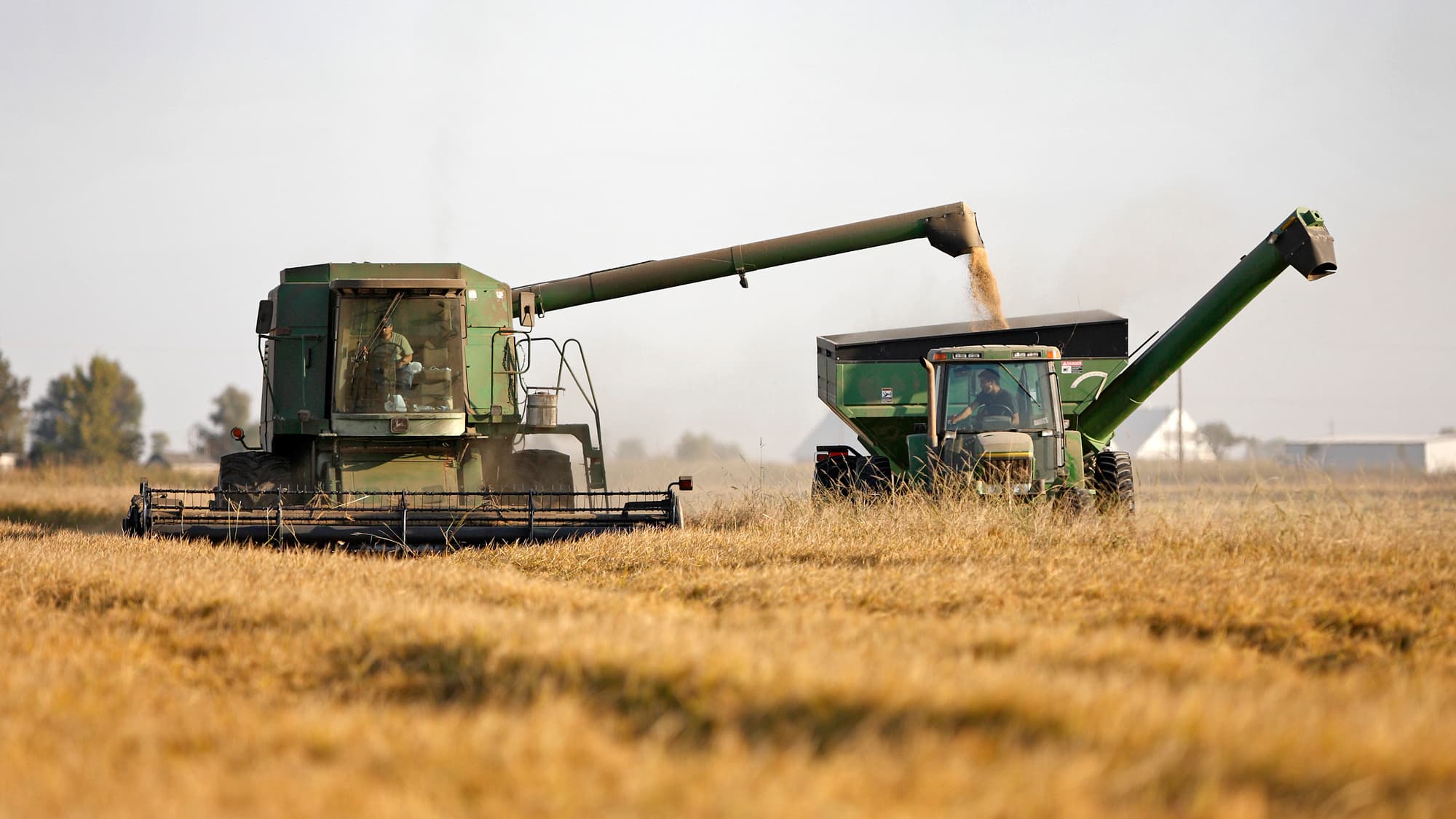
According to Hailemariam, these efforts are increasingly evident in Ethiopia’s push to expand local wheat production. New government guidelines have helped farmers improve yields and reduce dependence on imported grain.
“Wheat has traditionally been grown in exporting countries like Canada,” he said. “But Ethiopia is now producing wheat locally by empowering farmers with the right policies, training, and research support.”
CFGB and its partners are working with farmers to boost productivity on smaller plots of land, while collaborating with research institutions and government scientists to adapt high-yield practices to local conditions.
He added that combining hands-on farmer training with locally led research ensures that improved techniques are effectively applied across both smallholder and large-scale farming systems.
Reflecting on his experience across Eastern Africa, Hailemariam praised Ethiopia’s leadership and long-term commitment to agricultural development.
“I have visited many countries in the region, and what Ethiopia is achieving stands out,” he said. “The progress we see today is the result of strong policy direction and national ownership.”
He also highlighted Ethiopia’s Green Legacy Initiative, noting CFGB’s involvement in tree planting and biodiversity enhancement. Youth cooperatives, he said, are playing a key role by managing nurseries that produce agroforestry crops such as avocado and mango.
“These young farmers are creating new income opportunities while contributing to environmental restoration,” he said.
Source - https://www.ena.et