The newspaper yesterday said about Medellin, a town in the northern tip of this island-province.
It sat forlorn and devastated after the super typhoon Yolanda struck. The vegetation lay wasted and hopeless for any human to live on and subsist in as they must have done the week or months or years before the ferocious Yolanda decided to test their town’s vitality and strength.
The patches of green, many of which looked like downed coconut palms and leveled crops and houses with ruffled roofs, completed the portrait of destruction that must have been typical of the other towns in that part of our country.
It reminded us of similar scenes we saw before--like the one in Casiguran, Quezon province after a typhoon hit it many years back. I was made to cover it for the Sunday Times Magazine.
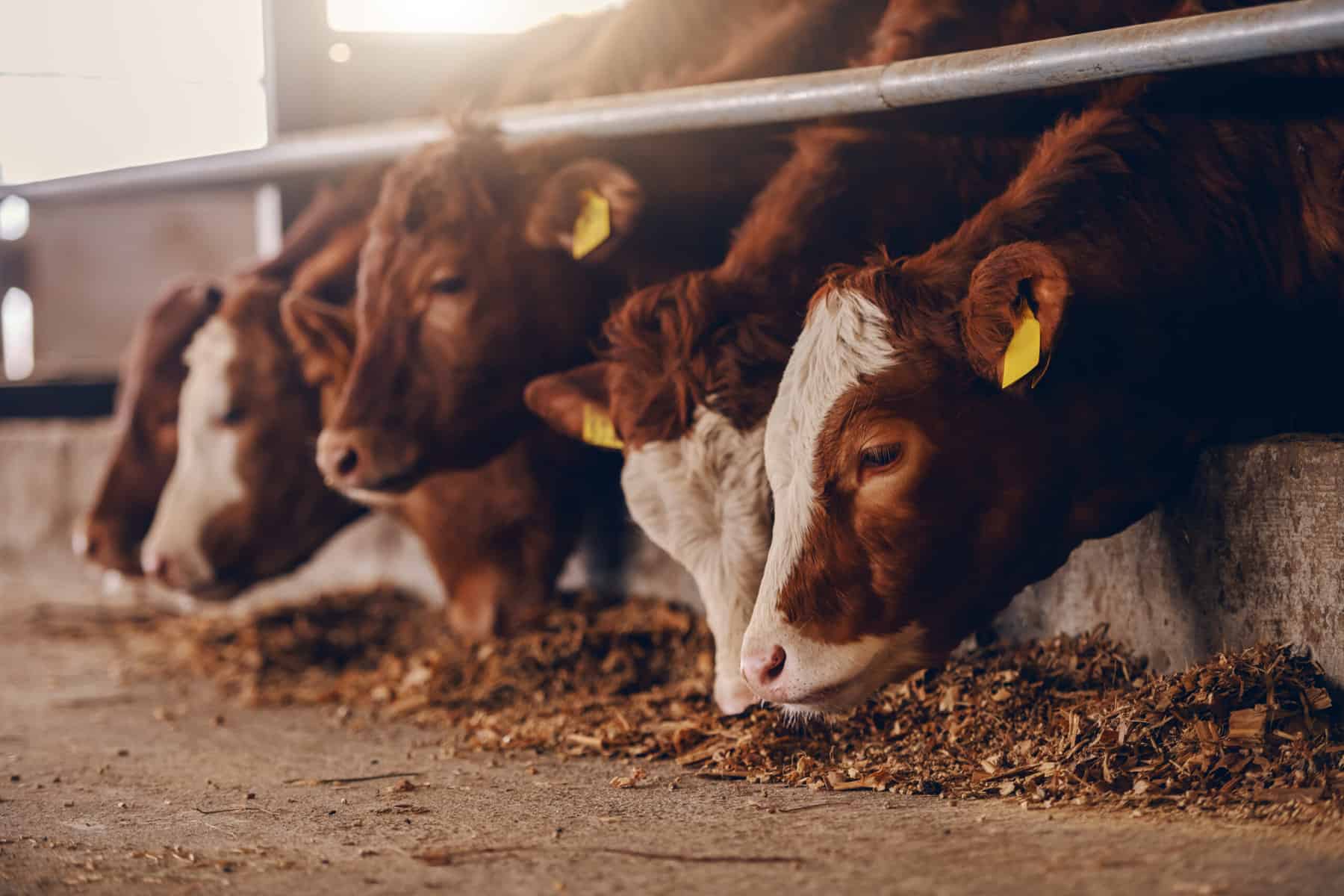
It is said that about P900 million in crops and livestock were lost in Cebu when the recent super typhoon passed by several northern towns of the province, and this was still a partial report. The figure would still rise once more reports from the other northern municipalities come in.
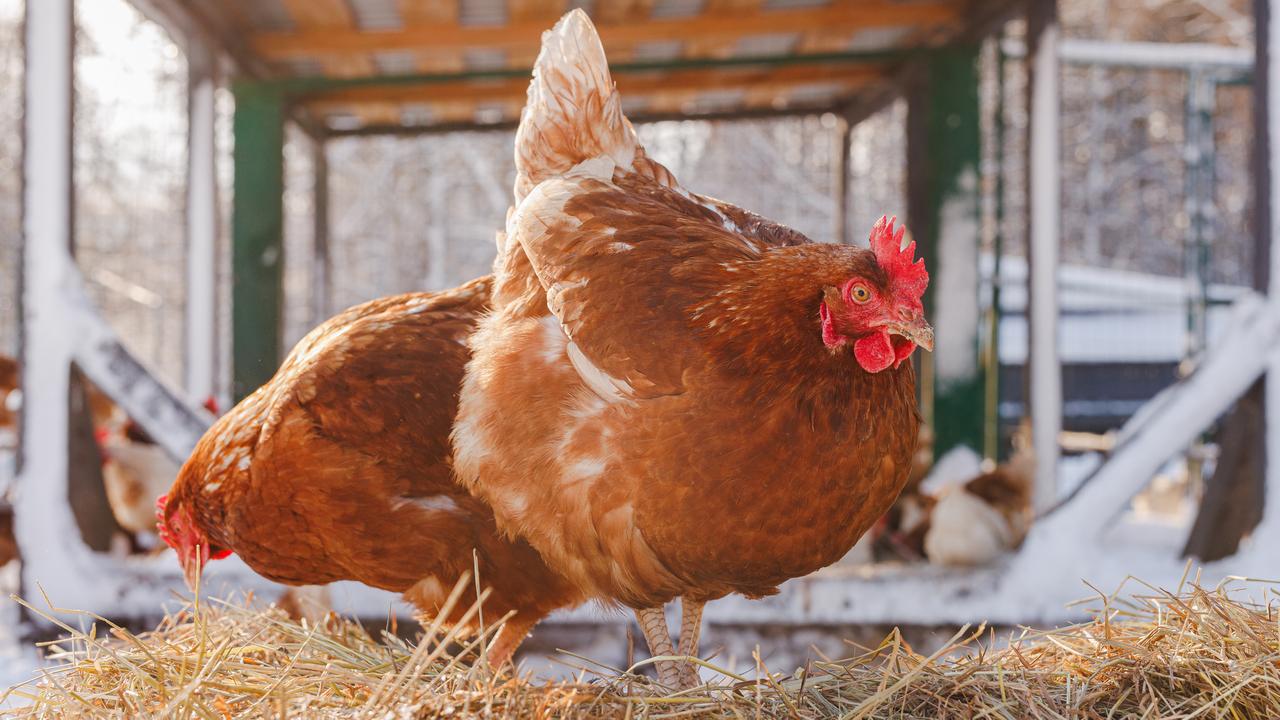
The island of Bantayan with its three towns--Bantayan, Sta. Fe, and Madredijos—is actually source of the central region’s poultry products. And this particular industry was practically wiped out.
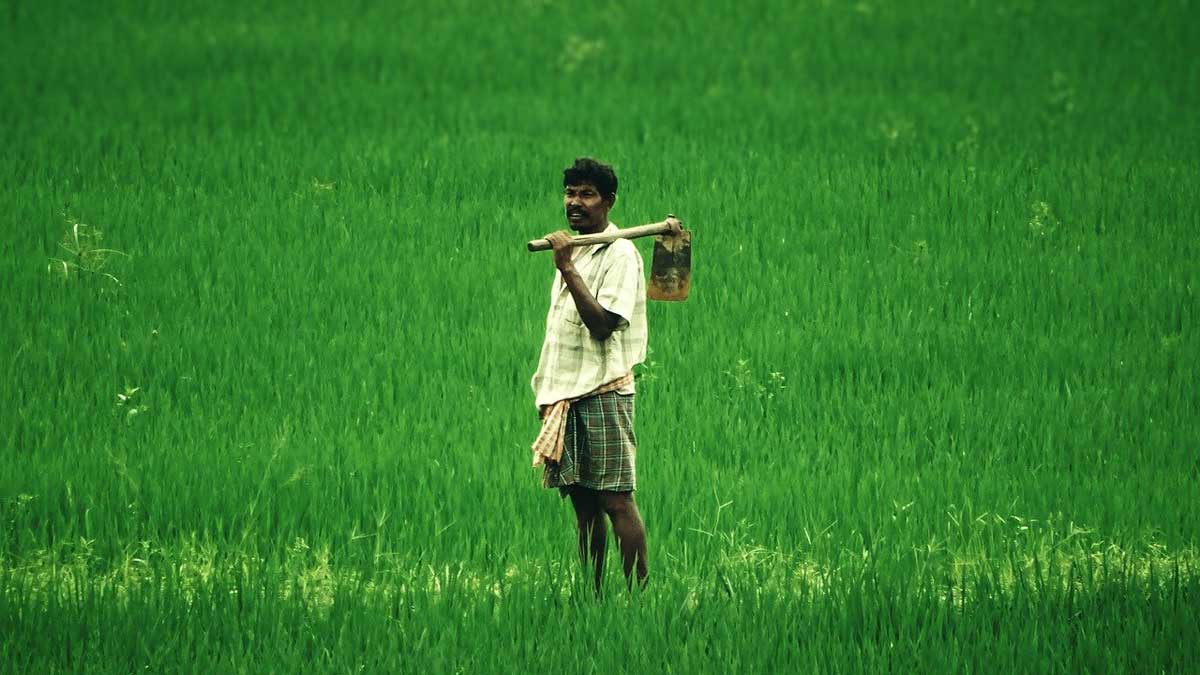
When we consider the fact that our country is generally still considered as seventy percent rural in economic context--meaning that we are still a nation whose population depends for survival on the products of its vast, cultivated farmlands, and millionsof livestock.
We cannot claim to be a technological economy with more urban than rural areas in our national profile. And so, we should mourn the loss of our crops and livestock.
In the assessment of the Department of Agriculture (DA), the poultry farms of the Bantayan island towns lost some fifty million worth of chicken.
Rebuilding their poultry farms would take some time, with a net effect on the supply of poultry products in the market. There is a possibility that the kilo of poultry meat would rise as we move towards the Yule season in the next few weeks.
Lucky are the farmers who had a more educated turn of mind for then they could have availed of the services of the Philippine Crop Insurance Corp. (PCIC), which points to a foresightedness sort of undertaking by the DA over the years. The PCIC has actually become a primary relief source to our farmers, whether their investment is in crops or livestock.
The point here is that bravo to the government agency that had anticipated potential calamities and anticipated relief from them.
Right now, the super-typhoon appeared to have greatly devastated more than fifty per cent of our agricultural sector in the greatly affected areas, but expect them to rise again soon, due to the resilience of our rural folk.
Source - http://www.sunstar.com.ph/