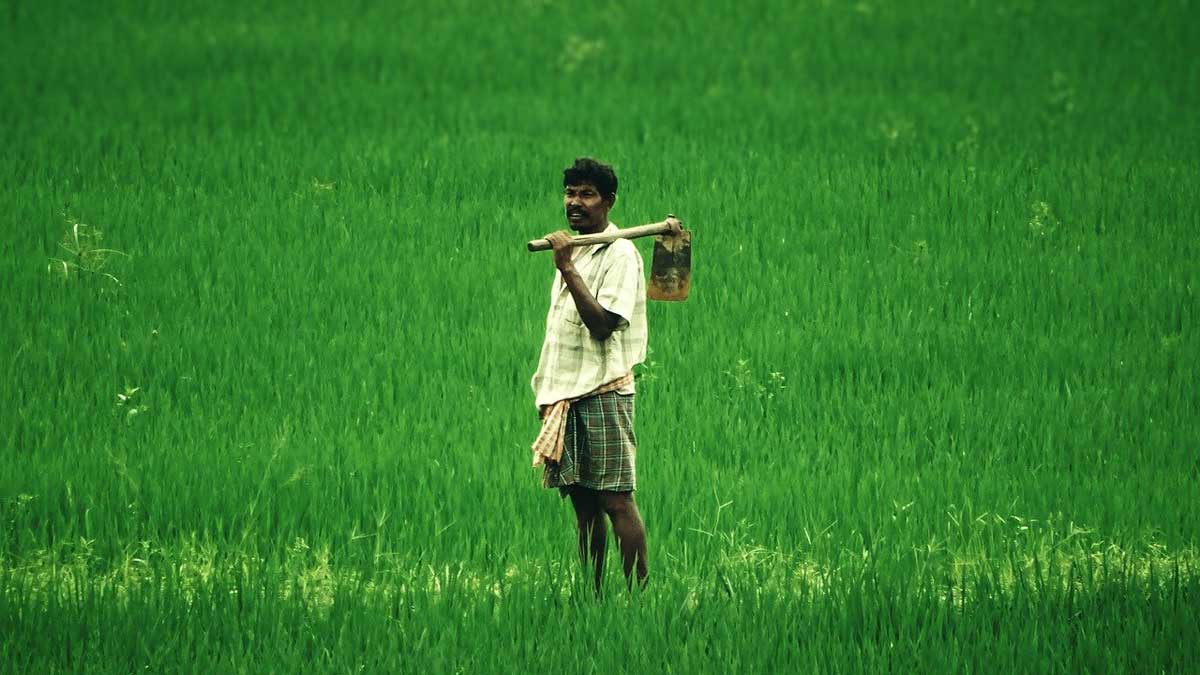
Adaptation to climate change and insurance (ACCI) recommends that Sorghum, cassava and sweet potatoes be the most suitable adaptive crop varieties in Homa Bay and Busia counties if farmers in these counties are to adapt to climate change.
Speaking during a workshop at Busia Agricultural Training College, Adaptation to climate change and insurance (ACCI) National project Coordinator, Joab Osumba urged farmers especially from Busia County to embrace farming food crops that adapt to climate change.
“Climate change is a reality and is taking places around us,” said Osumba adding that communities are compelled to adapt to this situation by growing crops that can adapt extreme droughts or floods.
Mr.Osumba said that in western Kenya, weather observations indicate that maximum day temperature have increased in a magnitude between 0.5 and 2.1 degree calicoes’ in the last 50 years and are expected to increase further, hence there is need to embrace food crops that can easily adapt to climate change.
He said the entire Adaptation to climate change and insurance project in the two counties was funded to a tune of about Sh.250 million ( 2.8 Euro). It a bilateral project between the Kenya n and German governments, funded by the German Ministry for the environment, Nature conservation and Nuclear Safety (BMU) and is implemented by Kenyan ministry of Agriculture and GIZ..
According to the report that came up with the recommendation, the three crops have good yield potential even under dry conditions due to their characteristics to resist or do well in unpredictable shifting weather patterns.
In Busia County food production/ security is at 50% an improvement of about 0.87 % as compared to 5years ago; currently food security has improved to 3.73% as compared to 2.86%, 5years ago.
Maize is still leading as a staple food, as 77% of food produced is maize, 14% cassava and 8% sorghum, with other short term food crops at 1%.
However, maize yield gap due to drought and diseases was at an average of 61% as compared to cassava yield gaps due to drought at 56% today.
Out of 15 types of food crop that were modeled in the two Counties, the most adaptive five short term crops in climate change are Sorghum, Cassava, sweet potatoes, maize and groundnuts respectively. Open pollinated maize and the dry escaping varieties of some tested hybrid maize have been recommended to have high yield.
Mr. Osumba explained that Sorghum and Cassava are important food crops in East Africa. Cassava is the most important root and tuber crop and sorghum one of the important grains.
Sorghum is promoted as a crop for arid and semi-arid regions in Kenya with a good potential to withstand drier conditions as Predicted in many climate change scenarios.
He added that sorghum and cassava can grow in areas too hot and dry as compared to maize, because they have deep penetrating and extensive roots.
“Now days farmers are faced with unpredictable rain patterns which makes farming very difficult, as currently long rains are not sufficient for food security and the short rains sometimes fail to come.” Joseph Omollo, one of the farmers expressed his fears.
The ACCI project which started 2011 is coming to a close by the end of this year that is on December 31st, 2013 and so far more than 5,000 farmers have been trained; with more than 50 trainers who helped facilitate the trainings in communities through community self help groups across the counties.
The project has also been able to carry sensitization programs on climate change, efficient farming methods, soil sampling, tracking adaptive capacity skills, vulnerability assessment of prior risks, train on crop pest and deceases control and provided farmers with farm inputs.
Speaking in the same function, Busia county director of livestock production and the acting Chief Officer for Agriculture and Animal resources, Nyongesa Wafula said that the project came in to assist farmers on how to adapt to climate change and plant crops for food security and benefit them economically through the income they get from farming.
“The goal of the ACCI project is to enable farmers and small-scale enterprises to increase their capacity to adapt to climate change in Homa Bay and Busia County.” Emphasized Nyongesa.
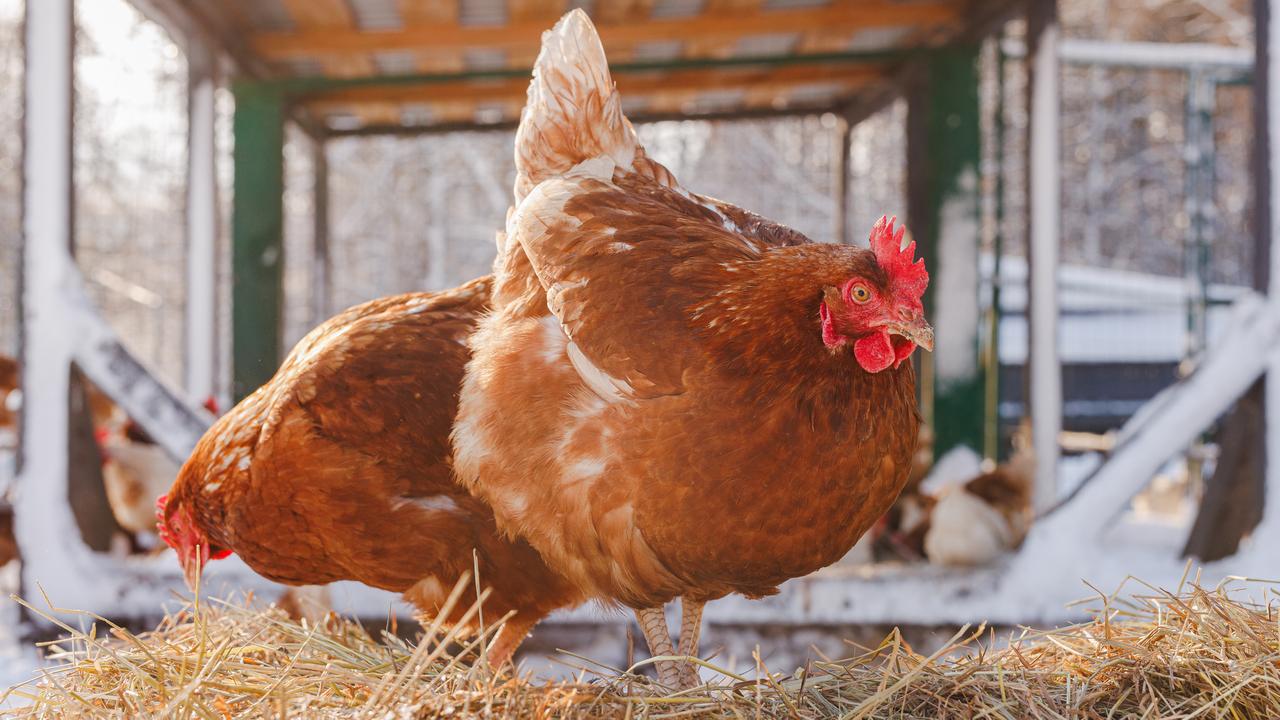
Mr. Nyongesa added that they have identified chicken and fish farming as smart livestock that farmers should embrace in the county.
Concerning sorghum farming, the Chief Officer said that the Ministry of Agriculture had distributing seeds of improved sorghum for food production demonstrations to farmers and farmer groups.
The groups and farmers are expected to return the quantities received to the Ministry of Agriculture after harvest and keep seed stock for the next season. Many farmers have benefitted from this scheme4 and the seeds have been distributed widely in Homa Bay and Busia County.
The national Coordinator of ACCI was afraid that Agriculture sector is among the most affected by climate risk; hence those practicing farming should have no alternative, but to adjust their farming systems and consider ways to mitigate risks and increase their resilience.
“During the course of this analysis it became clear that both crops contribute significantly to household food security in Western Kenya,” Joab said.
While this research focused on Homa Bay and Busia, it probably reflects the situation in several counties in Western Kenya with similar farming systems and climatic conditions.
However, The Kenya Agricultural Research Institute (KARI) has developed early maturing varieties which are promoted as maize replacement in regions where maize is increasingly becoming unviable due to climatic conditions.
The white sorghum variety, Gadam, is being promoted to substitute for barley as a beer brewing raw material.
KARI has also released new cassava varieties, resistant to CMD, high yielding and well suited for many industrial purposes.
This suitability for sorghum as raw material for brewing and cassava for other industrial uses is making them even more interesting crops. Important to note, that the demand for sorghum and cassava in Kenya is currently not met; both crops are imported from Tanzania and Uganda, indicating a considerable market potential.
ACCI has challenged the county government in partnership with the ministry of Agriculture and all the stakeholders to take up the role that it has been doing to ensure that there is sustainable food production through growing of adaptive crops even after the exit of the project.
It has also recommended the need to facilitate soil testing, make capacities already build, liaise with county meteorology on weather focusing, monitor pest and diseases, access to certified seeds of crop covers and encouraged farmers to use locally available materials like compost/farm manure.
Source - http://www.africasciencenews.org/