Although the country woke up to sunnier skies on Sunday morning, residents were still struggling to cope with electricity outages, flood conditions and property damages in the aftermath of a powerful four-day storm.
Many of the country’s roads remained blocked to traffic due to buildups of snow, ice and flooding conditions on Sunday.
Agriculture Ministry director- general Rami Cohen estimated that storm damage to agriculture had reached the equivalent of tens of millions of shekels, his office announced on Sunday.
From the hundreds of calls received from farmers throughout the country over the weekend, the ministry said that the worst hit crops were those growing in open fields in the country’s Center, where they were exposed to unusual cold.
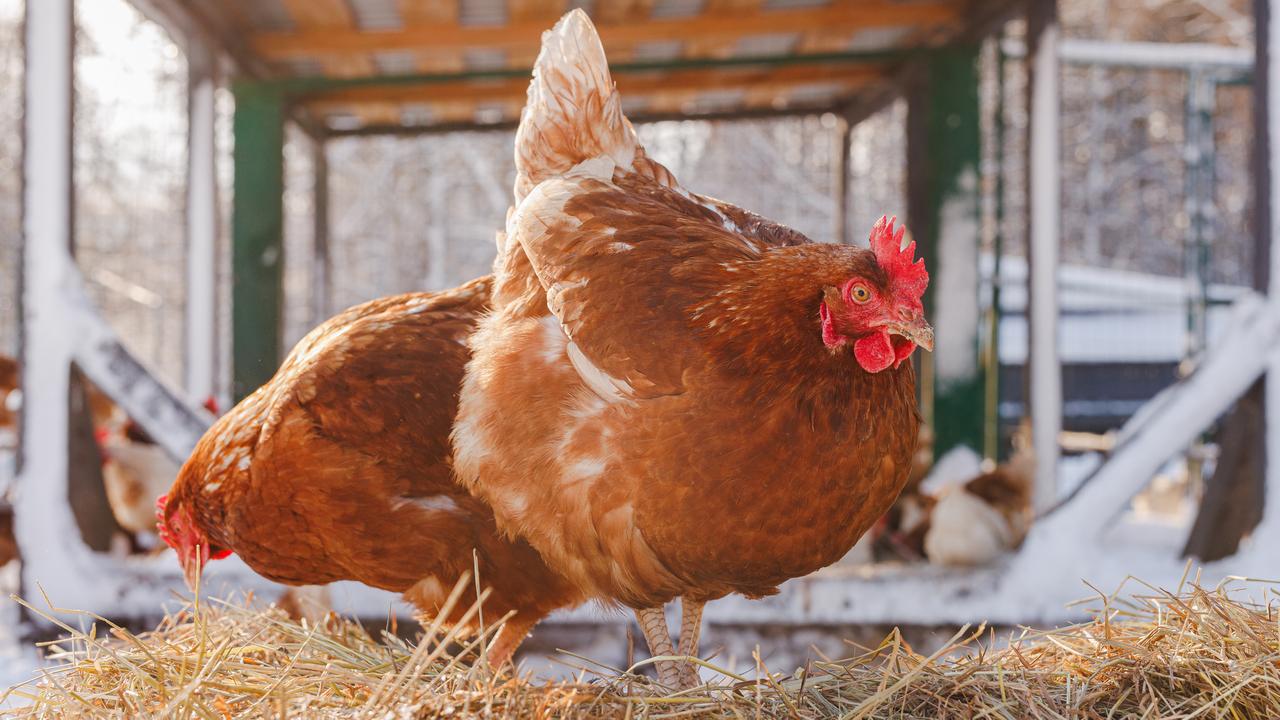
Many farms in the North also suffered, due to disruptions in the power supplies necessary to their chicken coops and cattle barns.
Despite the damages, the ministry praised the advance preparations undertaken by drainage authorities across the country, which prevented flooding in many cases and even more significant breakdowns.
On Sunday evening, ministry officials will be meeting with agricultural organizations to formulate the steps that are necessary to cope with farmers’ losses, the ministry said.
The Kanat – Insurance Fund for Natural Risks in Agriculture – also reported receiving hundreds of calls about crop crises and went so far as to estimate about NIS 100 million in farming damages from the storm.
Like the Agriculture Ministry, Kanat said that a preliminary review indicated that the heaviest damages occurred in open vegetable fields, particularly where crops like potatoes, onions and leafy vegetables grow. Most of these fields, the insurance fund agreed, were located in central as well as southern Israel.
Nonetheless, the fund also identified damages to many greenhouses due to strong winds as well as harm to orchards and avocado plantations as a result of hail storms.
Like the Agriculture Ministry, Kanat described heavy damage to chicken coops in the North.
To overcome the expected shortage of fresh vegetables, and to prevent a jump in prices following the storm, the Agriculture Ministry approved on Sunday night the duty-free import of cucumbers from Jordan and will likely grant similar approvals for tomatoes and zucchini if necessary, the ministry said.
Source - http://www.jpost.com/