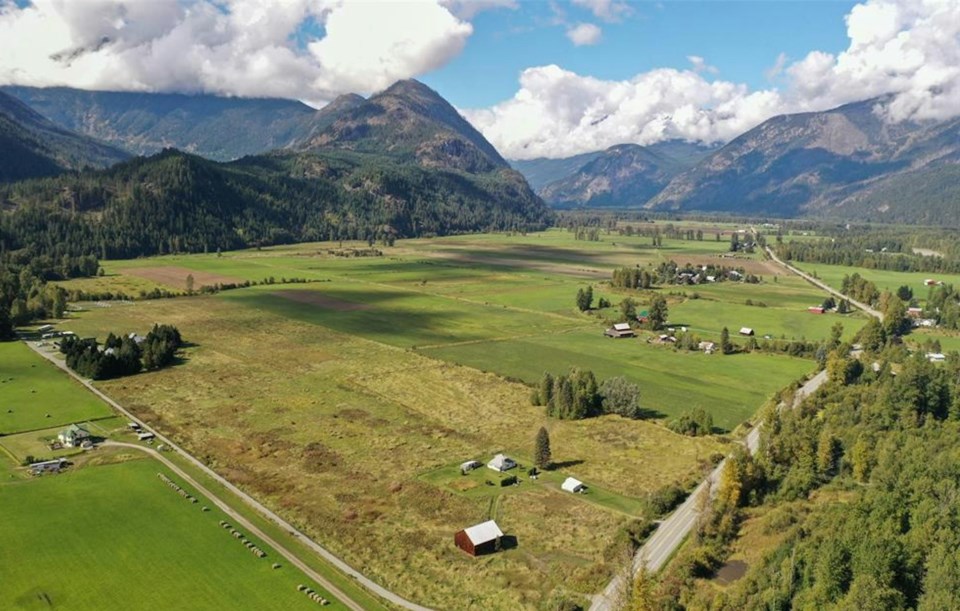
The Cache River Basin, which once drained more than 614,100 acres across six southern Illinois counties, has changed substantively since the ancient Ohio River receded. The basin contains a slow-moving, meandering river; fertile soils and productive farmlands; deep sand and gravel deposits; sloughs and uplands; and one of the most unique and diverse natural habitats in Illinois and the nation.
According to a recent University of Illinois study, the region’s agricultural lands dodged a bullet due to the timing of the great flood of April 2011 when the Ohio River approached the record high of 332.2 feet above sea level.
“The floodwaters eventually drained back into the Ohio River and upper Mississippi River ultimately leaving approximately 1,000 acres of agricultural land flooded from a backup in the middle and lower Cache River Valley, which flooded the adjacent forest-covered alluvial soils and the slightly higher cultivated soils,” said U of I researcher Ken Olson.
According to Olson, who has studied the effects of that particular flood extensively, these cultivated soils drained by the middle of June 2011 and were planted to soybeans. The floodwaters left a thin silt and clay deposition on the agricultural lands and crop residue when they receded. These coatings included significant amounts of soil organic carbon, microbes, and pathogens. After the coatings dried, they were incorporated into the topsoil layer of the alluvial soils using tillage equipment.
“Because the flooding occurred during the non-growing season for corn and soybeans, the mixing in of sediment into the topsoil prior to planting resulted in little significant loss of soil productivity, little soybean damage, or yield reduction on lands outside the levees along the Mississippi, Cache, and Ohio rivers,” Olson said.
As a result of the record Ohio River flood level, floodwaters passed north through the Post Creek cut-off, then west through the 2002 Karnak breach and into the middle Cache River valley to the Diversion to Mississippi River, which was already above flood stage so the floodwaters continued west. In late April, the Ohio River floodwaters then started to flood the towns of Olive Branch and Miller City, the Horseshoe Lake area, and surrounding agricultural lands. On May 2, 2011, the Len Small levee on the Mississippi River failed and resulted in the flooding of an additional 30,000 acres of Illinois public and private lands.
Illinois agricultural statistics recorded the harvest of 4,500 fewer acres of corn and 6,500 fewer acres of soybeans in Alexander County in 2011. Soybean production was 1,200,000 bushels in 2010 but dropped to 865,000 bushels in 2011 due to flooding from both the Ohio and Mississippi rivers and crop and soil damage. The floodwaters also scoured lands in some places and deposited sand in other locations.
Olson cautioned that, had winter wheat been planted outside the levees in the fall of 2010, the wheat crop would have drowned. “Illinois farmers are aware of the flooding potential, especially in the winter and early spring, so they don’t plant winter wheat on unprotected bottomlands,” he said. “Consequently, there was no crop loss outside the levees in April and May of 2011. Local floodwater in the lower Cache River Valley, south of the Mississippi River Diversion and Dike, could not flow back into the Ohio River. It was blocked by the Cache River levee on the south side and by the closed gate at the Ohio River levee. Instead, water backed up and flooded forested and agricultural lands along the lower Cache River and north of the Cache River levee,” Olson said.
Olson said that the damage to the land could have been much worse. “Land use changes, diversion ditches and levees, loss of wetlands and flood-holding capacity, internal channelization of the Cache River and tributaries, and an ever-changing climate have altered the hydrology of the valley, redistributed soil from fields and ditch banks into the river, and transported tons of sediment during flooding events into both the Ohio and Mississippi rivers,” Olson said.
As the 2011 Ohio River floodwater reclaimed its ancient floodway, Olson says that the extent of these hydrologic changes and their social, economic, and environmental impacts have become more apparent. “The Great Flood of 2011 lends urgency to the reevaluation and implementation of the Cache River Watershed Resource Plan completed in 1995,” Olson said.
He cited nine resource concerns that were identified: erosion, open dumping, private property rights, water quality, continuation of government farm conservation programs, Post Creek Cutoff stream bank erosion, open flow on the Cache River, dissemination of accurate and timely information throughout the watershed, and the impacts of wildlife on farming and vice versa.
“Most of these concerns still need to be addressed,” Olson said. “Since that plan was created, there have been additional compromises/breaches that need to be repaired. As the repair and rebuilding of the valley infrastructure is undertaken, there will need to be a significant investment of human and financial resources to reduce the impacts of future catastrophic events.”
Source - http://www.redorbit.com/