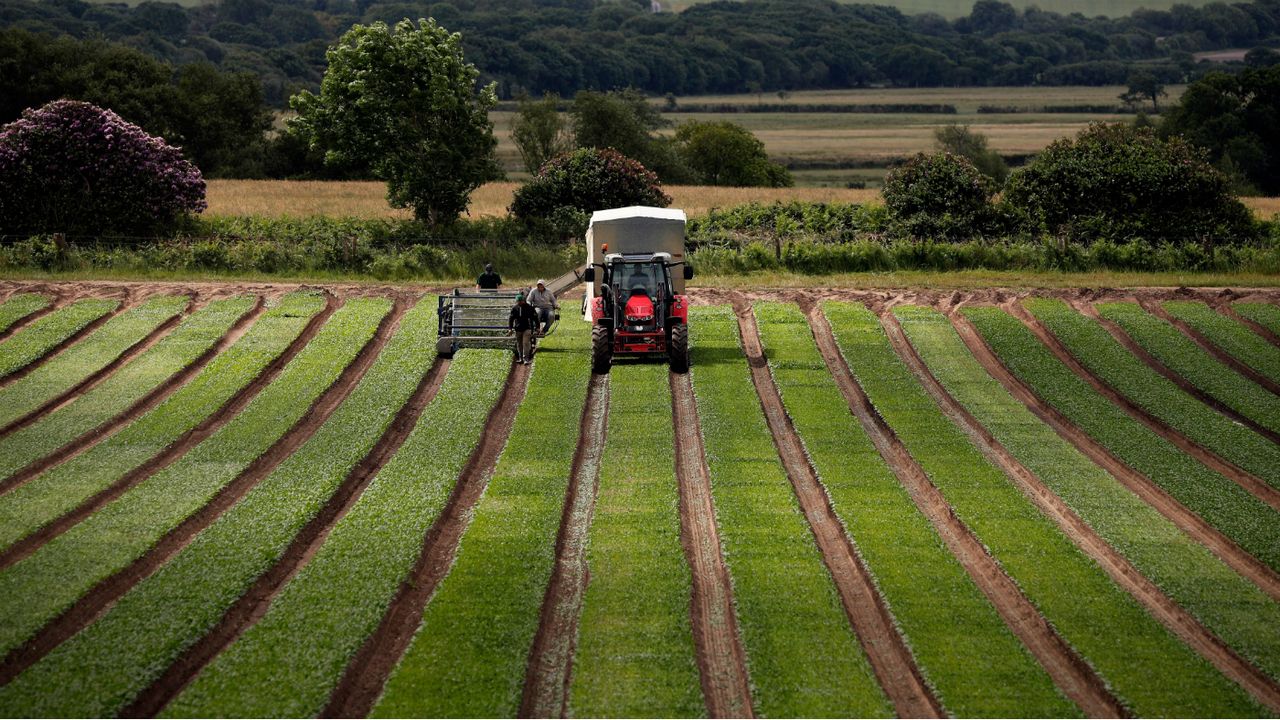
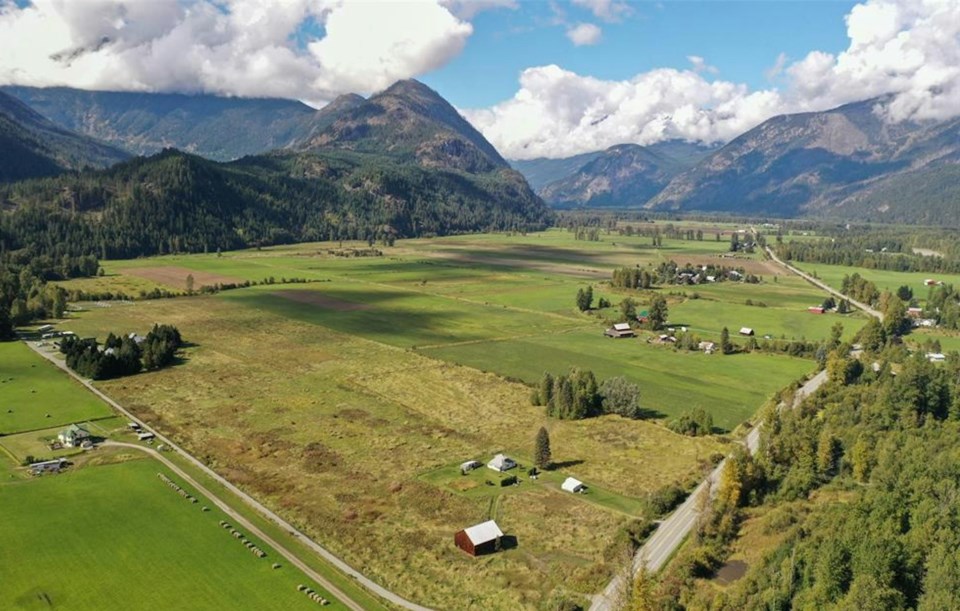
I’ve been talking to farmers all this week, many of whom have had their fields underwater for a month or more. It is quite soul destroying to see the natural assets of your business, on which you depend on for your livelihood and to support the rich wildlife of the countryside, being slowly suffocated under a blanket of filthy water.
One farmer said that, where the floods had receded, his fields are filled with all kinds of rubbish and debris. His first task is to decide how to remove all this, before he can begin to examine the effects the floodwaters have had on his crops and on the soil. I’d imagine he already knows what the answer will be with any crops planted last autumn: they will not have survived. But what condition the soil is in, and any long-lasting impact on it will take longer to fully understand.
Farmers' ability to produce food rests upon a plentiful, but not excessive, supply of sunlight and rainfall. Indeed, almost all of nature depends on these resources in equal measure. And while livestock can be moved to higher ground where possible, wildlife may not be so lucky. Populations of badgers, hedgehogs, voles and other small mammals, not to mention beetles and other insects, will have been devastated in those areas worst hit by the floods. And fewer insects means less food for birds and other creatures higher up the food chain.
Changing and adapting farming systems to accommodate water now may help rescue crops from flooding in the future, but farmers will have to bear the costs now, of losing land to non-cash crops, or sourcing forage for their animals to replace their own that’s been lost. This will cut into profitability and cash flow – hard after several seasons where profit margins have been low or even negative. Bad weather and lack of sunlight throughout the summer of 2012 was followed by poor weather during planting season at the end of 2013 as crops were getting established. Farmers may survive a buffeting from the vagaries of nature for a time, but will need to rely on sympathetic bank managers and landlords in the months to come.
In the long term, we need to identify a way we can address inconsistent rainfall, lack of sunlight at key times in the growing cycle, and the effects of heavy rains and being submerged on soil quality. One way would be to improve food security through resilient supply chains, so that any crop losses can be made up from other sources, but it also needs to be considered that the land serves many purposes, both in terms of financial stability for those that live and work on it, and the social benefits to others too, and how these can be best supported.
The impact of extreme weather on wildlife is of great concern, especially when it comes to soil quality and providing habitat for insects, as these are vital for pollinating crops. Some farms have been involved in the the Government’s higher level stewardship to support increasing natural and social benefits for the nation and communities. However the funding of this mechanism alone cannot achieve what’s required.
We need to combine new social policy with structural “hard" solutions, such as water retention and detention areas There is no quick fix, which makes it difficult for all those involved. Many may have to sacrifice short term objectives for long term benefits.
What is sure is that if farms cannot make a profit then they cannot care for and manage the countryside’s natural capital, nor sustain our food supply. So it’s time that we considered this issue collectively, not in a polarised town vs country fashion, nor as farmer vs environmentalist.
Source - http://theconversation.com/