Singapore and Malaysia are grappling with some of the driest weather they have ever seen, forcing the tiny city-state to ramp up supplies of recycled water while its neighbour rations reserves amid disruptions to farming and fisheries.
Singapore, which experiences tropical downpours on most days, suffered its longest dry spell on record between Jan 13 and Feb 8 and has had little rain since.
Shares in Hyflux Ltd , which operates desalination and water recycling operations there, have risen 3.5 pct over the past month.
In peninsular Malaysia, 15 areas have not had rainfall in more than 20 days, with some of them dry for more than a month, according to the Malaysian Meteorological Department.
The dry spell in the Southeast Asian neighbours is expected to run for another two weeks, forecasters say.
The Indonesian province of Riau has also been hit, with part of the region wreathed in smog, usually caused by farmers setting fires to illegally clear land. Poor visibility has disrupted flights to and from the airport in Pekanbaru.
Malaysia's Prime Minister Najib Razak was due to discuss the drought at a regular cabinet meeting on Wednesday that would decide whether to declare a national emergency, according to state news agency Bernama.
While some dry weather is expected at this time of year, the abnormal lack of rain is raising concerns about the pace of climate change in the region.
"The concern is that these uncommon weather events may be happening more frequently sooner rather than later," said National University of Singapore weather researcher Winston Chow.
PALM OIL PRICES HIT
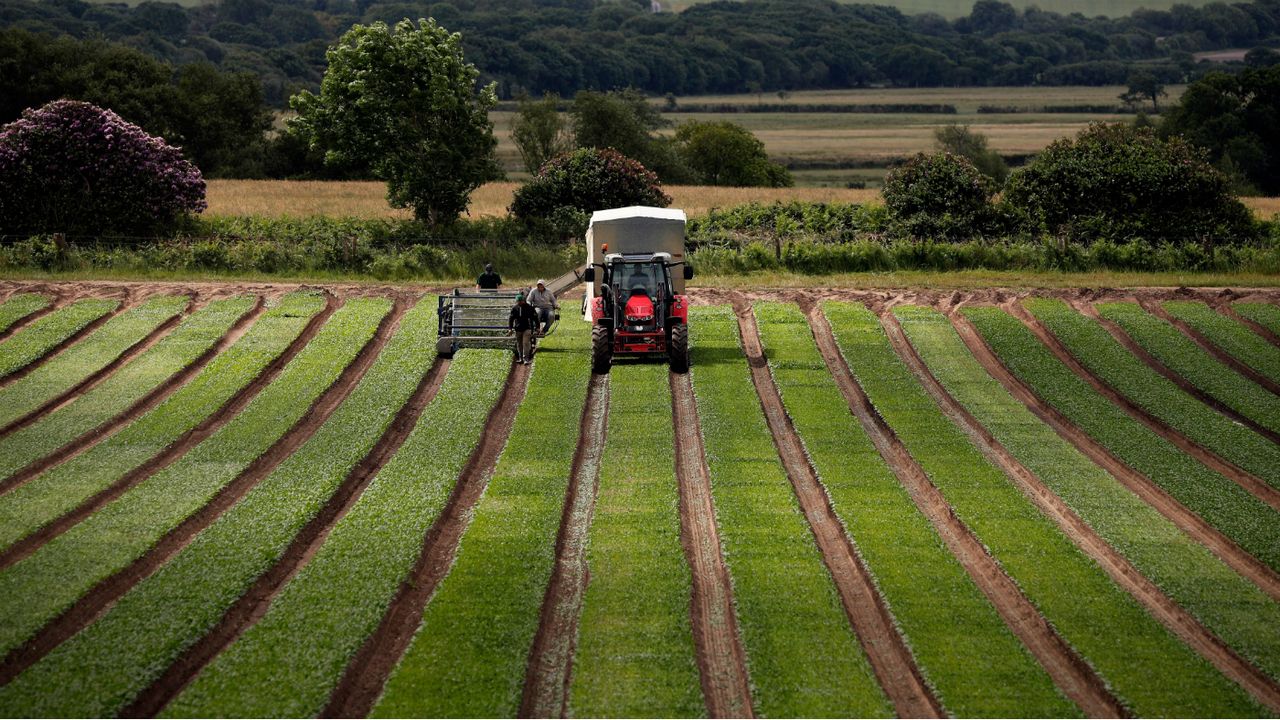
Malaysia is the world's second-largest producer of palm oil and planters say dry weather lasting more than two months can hurt yields six months to two years down the line, affecting output and fuelling benchmark Kuala Lumpur prices.
Concerns that dry weather will hurt production have helped push up palm oil prices about 8 percent in February, setting the market on track for its biggest monthly gain in four months.
The lack of rain is also believed to have caused extensive damage to the rice crop.
In Singapore the dry weather is being blamed in part for the mass death of fish stocks at several offshore farms. Around 160 tonnes of fish have died in recent weeks because of a lack of oxygen in the water.
The Malaysian Fire and Rescue Department (JBPM) said it had received more than 7,000 calls involving forest and bush fires nationwide since the beginning of February, due to the hot weather, five times higher than in the same period last year.
Selangor, Malaysia's richest and most industrialized state, began limited water rationing on Tuesday as levels in its dams plunged to critical lows.
"We pledge that every consumer will receive water, but it will be rationed to ensure supply every two days," Bernama quoted state chief minister Abdul Khalid Ibrahim as saying.
"In a week, consumers will receive water for four days."
The state of Negeri Sembilan near the capital, Kuala Lumpur, declared a "state of crisis" last week as water in its dams fell to critical levels.
In Singapore, the Public Utilities Board (PUB) has boosted the supply of recycled water, known as NEWater, and desalinated supplies, in order to keep up reservoir levels.
Singapore's national security concerns mean it has developed into one of the world leaders in water technology as it tries to cut reliance on imported supplies from Malaysia.
Around 55 percent of Singapore's water is now desalinated or recycled, in line with an aim to be self-sufficient by 2061, when a 1962 agreement to buy 250 million gallons per day from Malaysia ends, according to the PUB.
The deal lets Singapore buy 250 million gallons of water a day from Malaysia at 0.03 ringgit per 1,000 gallons, and sell back treated water for 0.50 ringgit per 1,000 gallons.
Johor, the southern Malaysian state that borders Singapore, has been urging an early re-negotiation, saying the deal is too advantageous to the city-state.
"The talks should begin immediately," Hasni Mohammad, chairman of a state public works panel, told Bernama in an interview on Feb 18.
"We have long been in a losing position when we sell raw water to Singapore at three sen (for 1,000 gallons)," he said, adding that the price of treated water was too high.
Source - http://sg.news.yahoo.com/