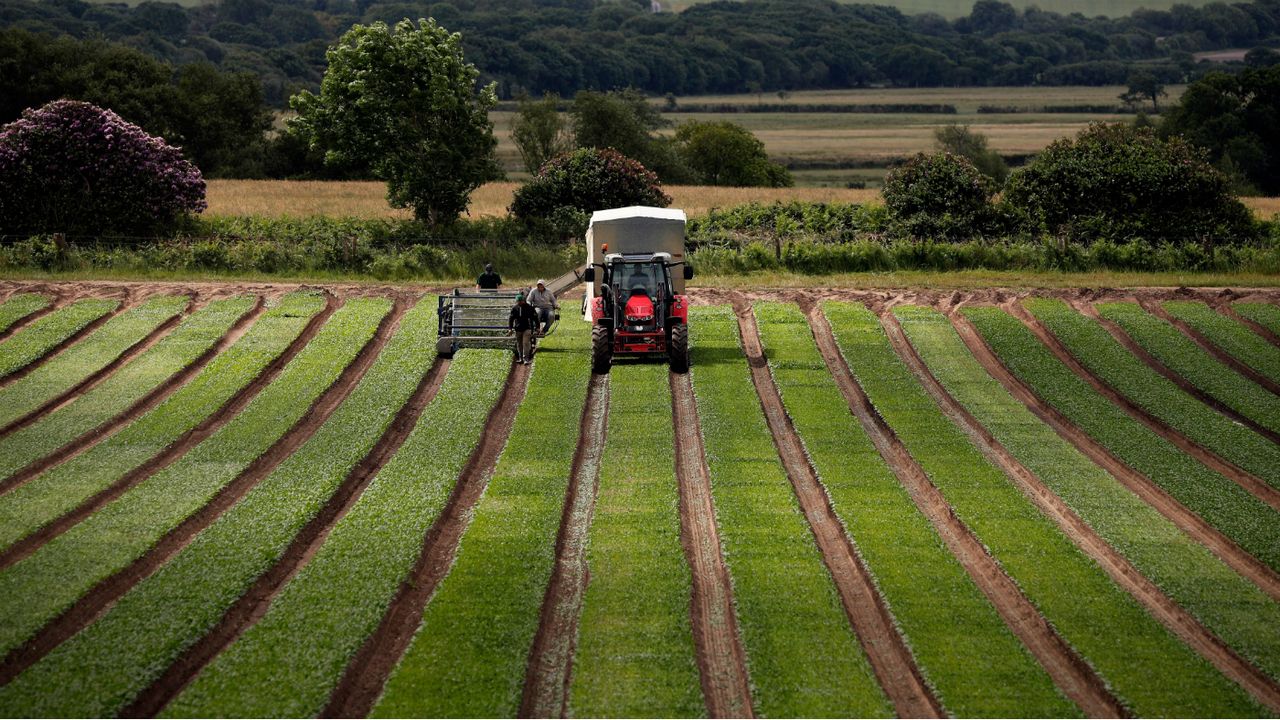
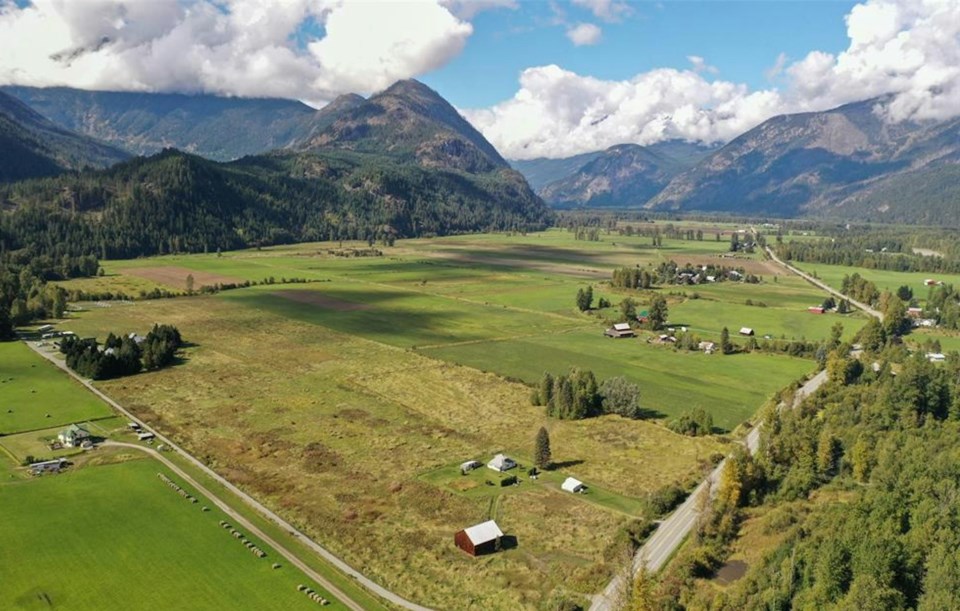
A trial in the South East is looking at a range of alternative summer crops as a means of value-adding to the region's irrigation industry, and studying moisture monitoring systems to get a better handle on water use efficiency.
Thanks to funding from the South East Natural Resources Management Board, the MacKillop Farm Management Group has established a four-hectare demonstration site on Bruce McLean's Bool Lagoon property.
The trial is examining a number of varieties of corn, sorghum, peas, beans, quinoa, millet, sunflower and lab lab to find out what is sustainable and profitable in the South East.
Cox Rural Naracoorte agronomist James Heffernan, who has been overseeing the site, said the trial is creating conversation and interest in new and emerging crop types.
"It is also trying to reinvigorate some ideas around what to do with irrigation," he said.
"Irrigation is a major industry in the SE and over the years it has been riding on the back of fodder production and small seed crops.
"In any business it's always a good thing to have more options."
Another element to the trial is examining automated soil moisture probes in irrigated cropping systems, which involves putting a telemetric probe with a rain gauge under an irrigated broadacre centre pivot.
Before sowing the plots on November 26 and 27, the site was fertilised with a single broadcast application of a compound nitrogen, phosphorous and sulphur product. Most of the crops were sown using a six-row precision corn planter on 762-millimetre spacings. Some crops were then double-sown at 381mm spacings to see if there was any difference.
The quinoa varieties were sown by the SARDI new variety agronomy team using a trial plot cone air seeder.
Throughout the growing season, the crops have been irrigated with 50mm of water a week, equating to about 2.5-3 megalitres so far.
James said most of the short-season corn varieties had been great to assess, and performed well.
Source - http://www.farmweekly.com.au/