By now, many of us have noticed impacts of the drought — a dry countryside, fewer grazing cows and water only upon request at restaurants.
Farmers, however, have been waiting, and in many cases worrying through the winter.
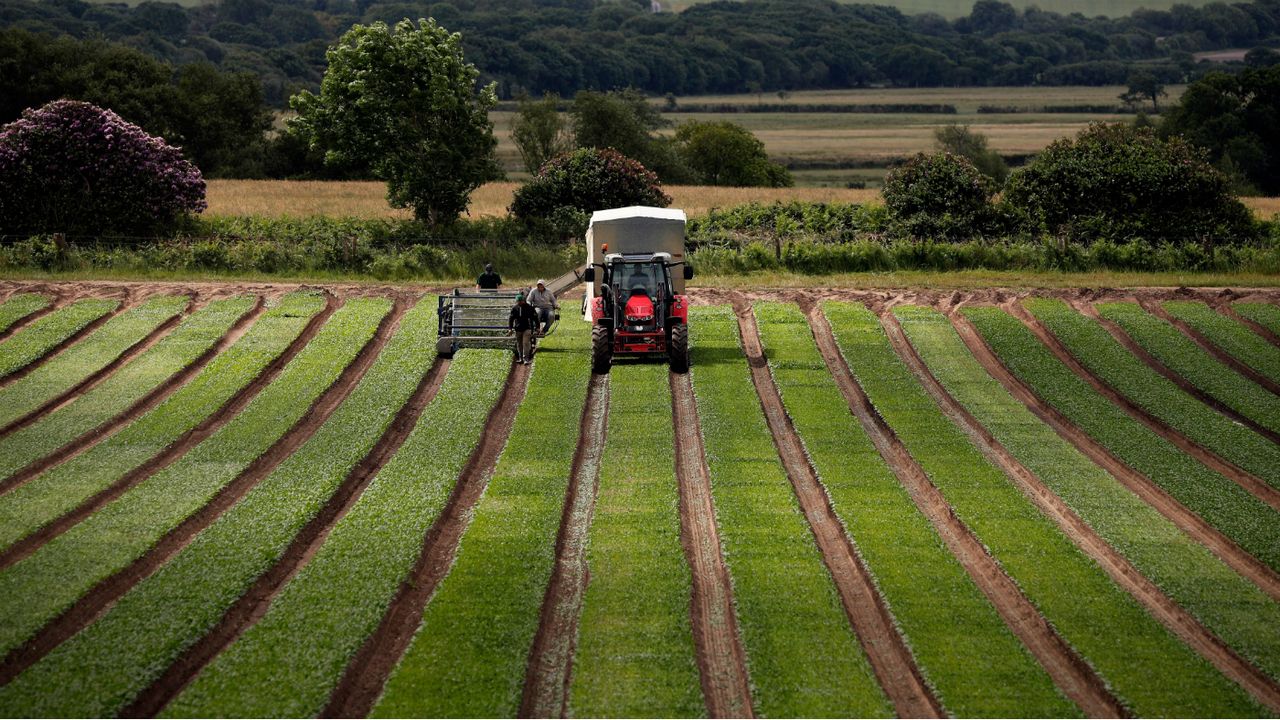
Northern California crops are dominated by orchards and rice, which make up the bulk of farm income. If anyone can be lucky during a drought, Butte County nut farmers are more fortunate than other parts of the state because most orchards use groundwater, said Joe Connell, University of California farm adviser.
If groundwater levels drop, growers will be pumping from farther down. However, the groundwater in the Sacramento Valley is in comparatively good shape. Connell said the recent rain has helped. Before the storms arrived, farmers were watering to ensure the soil profile wasn't completely dry. Watering in winter is a very rare occurrence.
So far, things look like they will be OK for orchard crops, Connell said. The supply of bees was adequate and before the rains, there was time for bees to pollinate. Problems could occur for people who don't have access to wells, or are located over aquifers more susceptible to decline. At this point, it will be difficult for farmers to have new wells drilled before the growing season, Connell said. Many companies are already booked for months into the future.
Rice in dry times
The story is different for rice, as farmers primarily use surface water delivered through canals.
"The buzz is that everyone is waiting on what the allotment will be," said UC Cooperative Extension farm adviser Cass Mutters. "No one will know until April 1." The recent rains have helped, but those storms were just a dribble compared to the amount of rain that would have normally arrived by this time of year.
Both the Department of Water Resources and the Bureau of Reclamation have said water deliveries will be very low or nonexistent for growers. Some districts with senior water rights have been told water delivery will be 40 percent. Landowners with less secure water rights may very well receive zero.
Until those numbers are finalized, its tough to decide exactly how much land to plant, Mutters explained.
He has heard that up to 100,000 acres in the Sacramento Valley may be left unplanted.
The price of rice is holding steady, he said, so farmers who have access to water will want to grow a crop.
Those who have access to groundwater will calculate the costs, as pumping adds a utility bill to the bottom line. If a grower has tree crops in addition to rice land, the water will be shifted to trees, if possible, because trees are a large multi-year investment.
Mutters said the deadline for taking out crop insurance was in February, and most folks are signed up.
IN THE LONG-TERM
The immediate concern is the 2014 crop. Yet, over the long-term drought can impact markets established by growers and rice handlers.
When buyers can't rely on established business relationships, they look elsewhere. "To regain the market share you (sometimes) have to sell at bargain prices to entice customers back," Mutters said.
Australia, for example, suffered through nine years of drought which ended in 2009, and helped the rice industry in the United States. An Australian company ended up buying a mill in Woodland to protect its market share, Mutters explained.
Source - http://www.chicoer.com/