


Canada - Farmers face challenges as they prepare for growing season
04.04.2014 255 views
As the April 30 crop insurance deadline approaches and farmers in Leduc County prepare to seed their crops, an Alberta crop market analyst says grain growers will be facing some challenges this year. Prices on most commodities, including wheat, canola, and barley, have dropped roughly 40 per cent from the near-record prices Alberta farmers enjoyed last spring, said Charlie Pearson, a provincial crop market analyst with Alberta Agriculture and Rural Development (ARD).Meanwhile input costs to grow a crop, such as fertilizer, seed, herbicides, and fungicides, haven’t dropped proportionately – creating a cost-price squeeze that is forcing farmers to really sharpen their pencils as they prepare for the growing season, said Pearson. A review of crop costs between January 2013 and 2014 shows fertilizer prices fell 10 to 15 per cent, but have now climbed back to last year’s February levels due in part to seasonal demand, notes Jason Wood, a production crop economist with ARD. Diesel fuel has increased 13 per cent, but producers will be pleased to hear most seed costs and chemical prices have held steady, said Wood, noting treated canola seed varieties have increased two to 14 per cent.“Margins will be a lot tighter than the last few years. Farmers will have to assess every input they use to ensure it gives them the best bang for their buck,” said Pearson. He pointed out today’s lower grain and oilseed prices are due to a general decline in world prices and huge, record grain yields harvested in Alberta and across Western Canada last fall.Another issue facing farmers this year is the backlog of grain waiting to be shipped by rail for export to international markets. “It’s creating cash flow challenges for farmers, and keeping grain and oilseed prices lower in Western Canada than other parts of the world where grain supplies are still relatively tight and demand is strong,” Pearson explained, adding he doesn’t expect commodity prices to move much in Alberta this year.April 30 Crop Insurance Deadline“Farmers are preparing to manage their way through the challenges this year, and as always good risk management will be important,” said Nancy Smith, with Agriculture Financial Services Corporation (AFSC) – the provincial Crown corporation that administers crop insurance across Alberta on behalf of the provincial and federal governments. She reminded farmers of the upcoming April 30 crop insurance deadline.“Most producers will invest $200 to $300 or more per acre into their crops over the growing season, and they don’t want to risk losing that to a hailstorm or some other unexpected weather event,” said Smith. She explained that’s why more than 75 per cent of Alberta farmers insured about 15 million acres of annual crops across the province last year.About $295 million was paid out on crop insurance claims for the 2013 crop year across Alberta, including Leduc County, said Smith. The lion’s share of payouts last year – roughly $219 million – was triggered under the Hail Endorsement (HE) rider, an option 90 per cent of producers choose because hail is such a major weather risk in Alberta.Despite more than 3,700 HE claims, actual losses under the production guarantee that crop insurance provides were only $36 million – among the lowest ever, said Smith. She explained crop insurance allows farmers to insure up to 80 per cent of their average production on most crops. “If yields fall below that, a claim is triggered. Even many farmers with hail damage harvested above average yields last fall because growing conditions were ideal across much of the province. Unfortunately the prices weren’t there for farmers in the fall,” said Smith.$38.8 Million Paid on SPE ClaimsThe Spring Price Endorsement (SPE) rider on crop insurance triggered $38.8 million in claims when commodity prices on many crops fell up to 25 per cent last fall. The SPE compensates farmers when crop prices fall 10 per cent or more between spring and fall, explained Smith.Other perils that triggered claims included excess moisture, which led to unseeded acres in some areas.With commodity prices so low and input costs so high, Carlton Fensky expects margins on his family’s mixed grain and cattle operation west of Leduc near Thorsby will be razor thin this year. “Given the massive size of last year’s crop, these commodity prices might be here to stay a while,” said Fensky. “The only thing we can really do is plan for the best and cope with the worst.” He said he’ll look for ways to make his farm more efficient and his margins more positive this year – whether it’s technology advancements on equipment or cutting back on inputs. Fensky said crop insurance is a necessary expense that will continue to play a key role in his risk management plan. “Our biggest risk is weather. We’ve got hailstorms that roll off the foothills and open up right over top of us. I’m just glad we’ve got insurance to help us through. It’s as important as putting fertilizer in the ground,” he said, recalling a hailstorm and small tornado in 2011 that sheared off his peas completely.
EVENTS

ScaleAgData Stakeholder Engagement Event
22.10.2024The ScaleAgData project is pleased to invite you to our second stakeholder event. Building on the discussions and connections formed during our first webinar, this event will focus on fostering collaboration among stakeholders, providing updates on our project’s progress, and outlining future opportunities for engagement.
RISK EVENTS

Moldova - May frosts caused heavy damage to fruit orchards
10.05.2026The first frosty nights of May have significantly worsened estimates of damage to Moldova's fruit sector from spring frosts. According to initial assessments by fruit market operators, between a quarter and a third of the country's total orchard area was seriously affected.
04.06.2026

India - Delhi raises crop damage compensation after 10 years by over 50% to Rs 75,000 per hectare
In a major relief for farmers, the Delhi government has increased compensation for crop loss caused by rain and hailstorms from Rs 20,000 per acre to Rs 75,000 per hectare.
04.06.2026

Why Tech-Driven Agro-Insurance Has Stumbled in Ethiopia
For decades, Ethiopia’s agricultural sector has remained trapped in a dangerous paradox.
04.06.2026
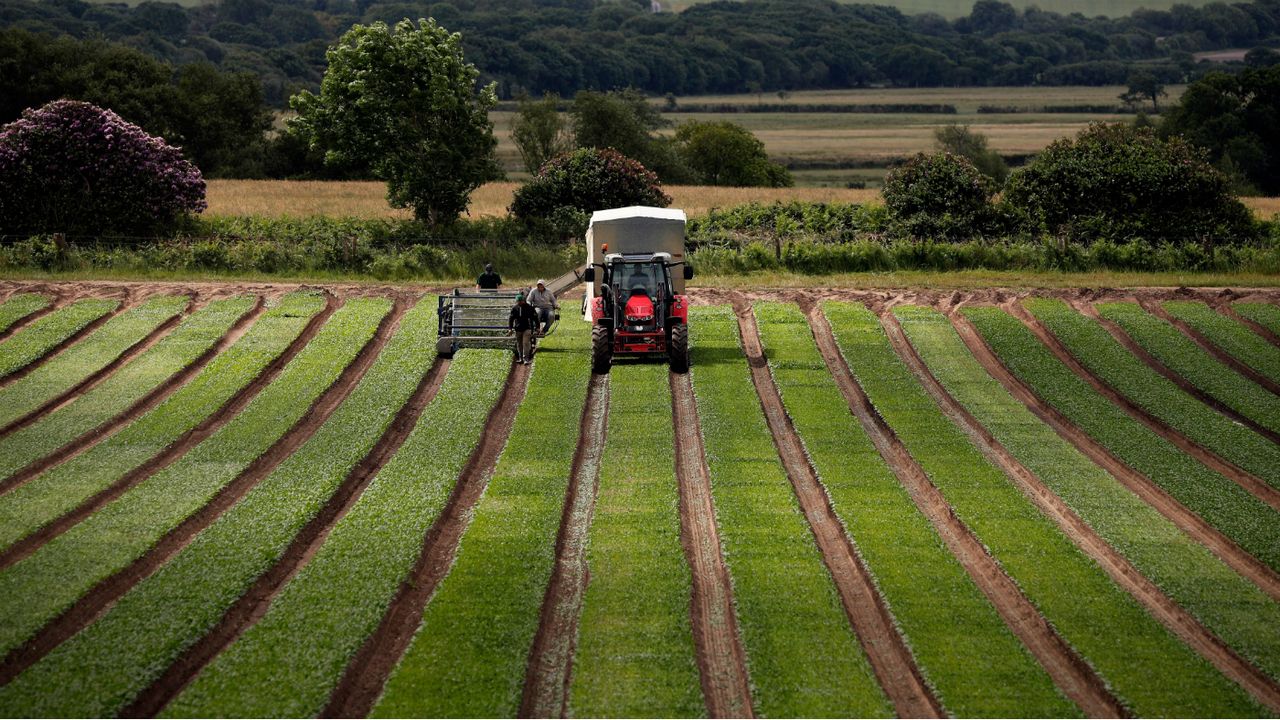
UK - Rural crime cost Wales £2.2m last year despite fall in offences
Rural crime cost Wales an estimated £2.2 million last year, with organised criminals continuing to target tractors, livestock and farming equipment despite an overall fall in offences, according to a new report.
04.06.2026

Kenyan Agro-Insurance Startup, Pula Raises US$ 20 Million in Series B Round
Pula, a Kenyan startup that offers insurance to small-scale farmers, aims to serve more than 100 million farmers in Africa after raising US$ 20 million in its Series B round.
04.06.2026
USA - USDA announces $52M to boost public access to private lands for hunting, fishing
The U.S. Department of Agriculture is announcing $52 million to help state and tribal governments encourage private landowners to allow public access to their land for hunting, fishing and other wildlife-dependent recreation through the Voluntary Public Access and Habitat Incentive Program (VPA-HIP).
04.06.2026

Hope Grows in Malawi’s Grain Stores as Farmers Battle Post-Harvest Losses
Some grain rots in poorly ventilated storage. Some is eaten by pests. Some is damaged during drying or transportation before it ever reaches the market.
03.06.2026
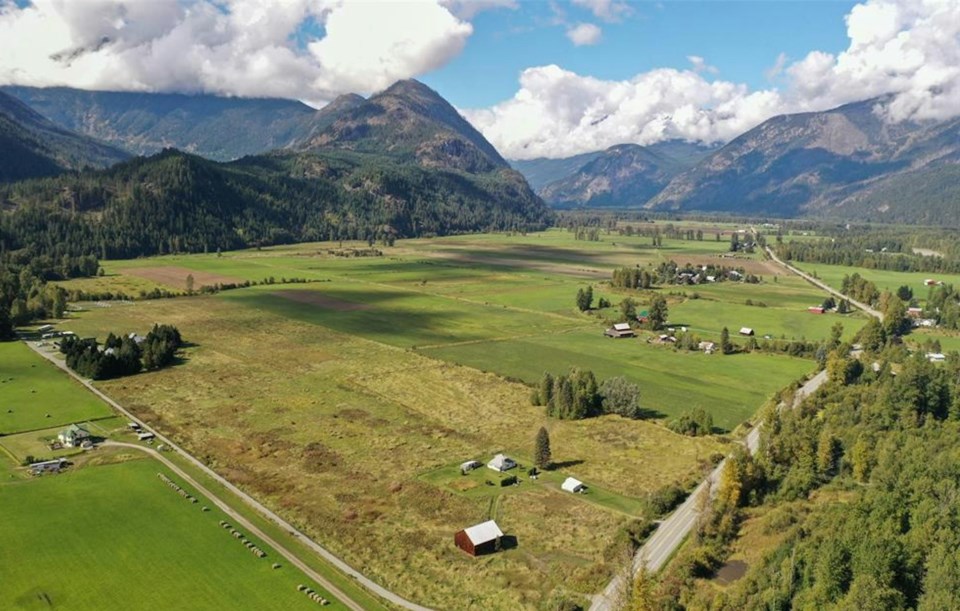
Canada - AFSC extends several northern Alberta seeding dates for 2026
Alberta’s Agriculture Financial Services Corp. (AFSC) is extending the recommended seeding dates in the province’s northeast, northwest and Peace regions for several crops for the 2026 growing season only.
03.06.2026

India - Elephants run amok in Konaje agricultural farm, cause massive crop damage
A herd of elephants, including calves, wreaked havoc on an agricultural farm belonging to Yashodhara Gowda at Pallattadka in Konaje village of Kadaba taluk.
