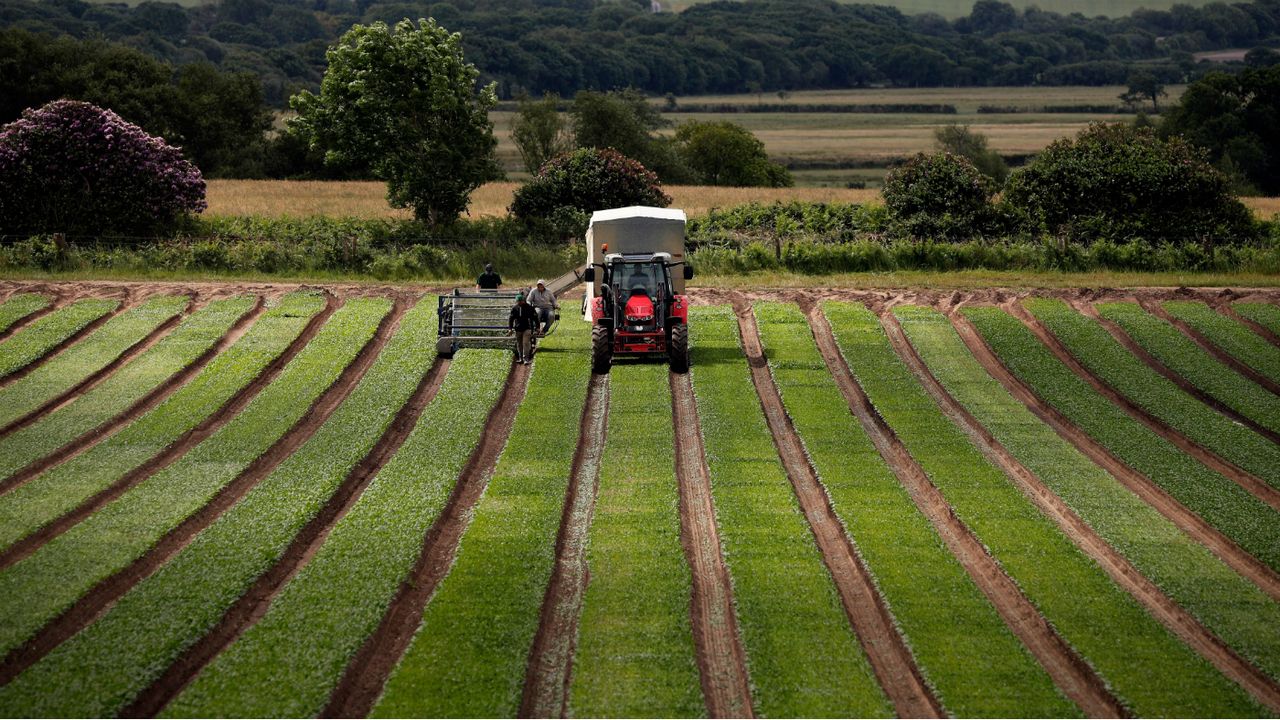
Neil Townsend was feeling uneasy about Ukraine’s 2014 crop prospects until he took a rain-soaked four-day crop tour of the country.
“I think the production is coming. It looks good,” the director of CWB Market Research said in a phone interview from Kiev earlier this week.
“This was a tremendous four days of rain with a large swath of coverage. All of the key growing areas were getting a good soaking, which they needed.”
Townsend made the comments the same day that Agritel dramatically cut its grain production forecast for the country due to economic turmoil and dry conditions.
Agritel is forecasting a 17.6 percent reduction in corn output and a 16.5 percent decline in wheat compared to last year. Townsend said that forecast must have been made before the recent rain.
“Don’t believe the story that the grain is not going to be there.”
Townsend anticipates wheat yields will be up 10 to 15 percent compared to last year and rapeseed yields will be up 20 percent. There will also be plenty of moisture for the corn crop, which hasn’t been seeded yet, he added.
Wheat acreage may be down five percent, but improved yields will result in a crop equal to or greater than last year’s 22.3 million tonne harvest.
“Nothing looked like Kansas. Nothing looked that dry. It was really good,” he said.
The extensive crop tour, which covered 80 percent of Ukraine’s production area, helped clarify what had been a confusing couple of days leading up to the tour.
Townsend was in Kiev to attend the Black Sea Grain 2014 conference where he heard conflicting reports about the coming crop.
The night before the event, he had dinner with a woman who manages an agriculture holding company that farms 1.24 million acres of leased land in Ukraine.
“This is a company that last year produced 750,000 tonnes of corn themselves,” he said.
“This is the big time.”
She told Townsend farmers will seed a lot fewer acres to corn in Ukraine. Her company intends to reduce its plantings by 30 percent compared to last year.
Ukraine’s crumbling economy and rapidly devaluing currency means farmers don’t have the financing required to grow a high input crop such as corn.
She told Townsend that her farming colleagues in Ukraine say summerfallow and barley will be their two biggest crops this year.
Her acreage forecast was at odds with what he heard at the conference in the following two days. There was no hint of any acreage contraction in Ukraine.
“Everything was full steam ahead. Every acre was getting planted,” said Townsend.
Speakers were calling for a little more soybeans and a bit less corn but nothing drastic.
They said topsoil moisture was good and deep subsoil moisture was adequate. In between the moisture was a little deficient.
Speakers thought yields wouldn’t be as high as last year but should be around trend levels. However, that was before the four-day rain event.
Townsend saw evidence during his crop tour to support the theory for less corn and more barley.
However, he thinks corn plantings may be down 10 to 15 percent rather than 30 percent. Plenty of fields were still being prepared for corn. The big question is whether farmers will be able to apply the inputs that corn needs.
Spring barley acreage was definitely on the rise.
Farmers like barley because it is an inexpensive crop to grow. They are able to plant farm saved seed rather than buying expensive seed from input providers like they have to do with corn and soybeans.
There also appeared to be a surge in sunflower and soybean acreage at the expense of corn.
Source - http://www.producer.com/