South Asia, home to a quarter of the world’s population, will probably get less monsoon rainfall than normal this year as odds increase for the emergence of the El Nino weather phenomenon that has previously caused droughts.
Farmlands in India, Pakistan, Bangladesh, Sri Lanka, Nepal, the Maldives, Myanmar and Afghanistan will most probably get “below-normal to normal rainfall” amid consensus among experts about the possibility of the El Nino during the June-September monsoon season, the South Asian Climate Outlook Forum said in a statement in Pune, India yesterday. Rain is seen below normal in western, central and southwestern parts of South Asia, it said.
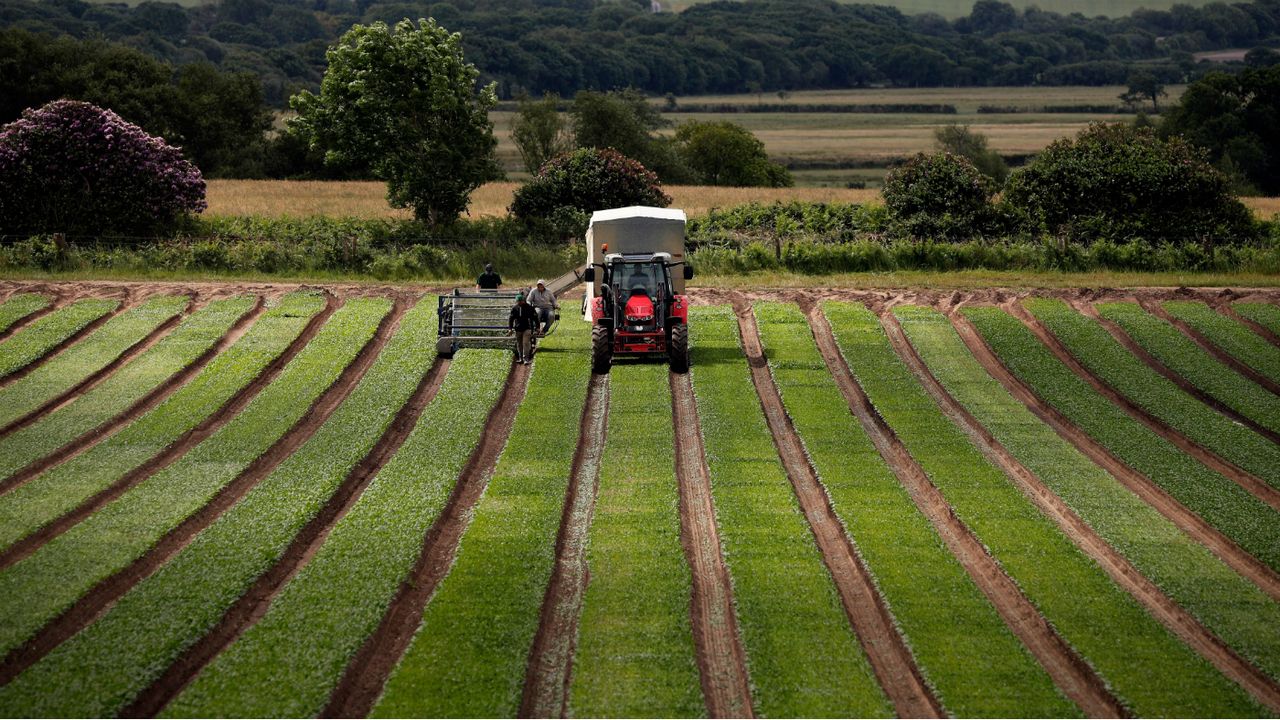
The season is crucial for crops from sugar to rice and cotton as more than 50 percent of the region’s farmland is rain- fed, making monsoons the main source of irrigation for India’s 235 million farmers. Less-than-normal precipitation can curb farm output, lower rural incomes and hamper a rebound in the country’s economic growth from near the lowest in a decade, while spurring inflation.
“The monsoon this year is very critical to India both from the perspective of growth as well as inflation,” said Dharmakirti Joshi, chief economist in Mumbai at Crisil Ltd., the Indian arm of Standard & Poor’s. “If there is a shortfall to the monsoon, the inflation will spike up again. Because there are very few drivers to growth, if the monsoon fails, it will dent growth as well.”
Inflation Quickens
India’s consumer-price index accelerated 8.31 percent in March from a year earlier, quickening for the first time in four months, says the Central Statistics Office. The economy grew 4.9 percent in the year ended March 31, after a decade-low expansion of 4.5 percent, the Statistics Ministry estimates.
Inflation averaged 10.07 percent in 2013 even as the nation harvested record crops. Elevated prices prompted Reserve Bank of India Governor Raghuram Rajan to raise the benchmark interest rate 75 basis points since taking over at the central bank in September. Risks to inflation arise from guaranteed prices for farm products, higher energy costs and government spending on subsidies, Rajan has said. There is also a threat from less- than-normal rains due to possible El Nino effects, he said.
The monsoon in India, which provides more than 70 percent of annual rainfall, will be normal this year, according to two government officials. Rain may be 96 percent of a 50-year average of 89 centimeters (35 inches) in the June-September period, they said April 21. The state weather forecaster is scheduled to announce its prediction today.
El Nino Intensity
“There is strong consensus among the experts about the possibility of evolution of an El Nino event during the summer monsoon season,” the forum said. “However, it is recognized that there is uncertainty in the intensity of the El Nino. There is also consensus about the potential for adverse impacts of El Nino on the monsoon rainfall over the region.”
Signs have been detected that El Nino is imminent, presaging changes to global weather patterns in the months ahead, the World Meteorological Organization said last week. The chances that an El Nino will develop are growing, the U.S. Climate Prediction Center said this month, boosting the odds to 65 percent from 52 percent. The weather pattern may develop by July, according to Australia’s Bureau of Meteorology.
El Ninos occur irregularly every two to seven years and are associated with warmer than average years. They tend to lead to abnormally dry conditions over parts of Australia, the Philippines and Indonesia. Their counterpart, La Ninas, are associated with cooler years.
Sugarcane, Soybeans
Disruptions associated with El Ninos globally have been most important for palm oil, cocoa, coffee and sugar, Goldman Sachs Group Inc. said in an April 13 report.
“Oilseeds, lentils, sugarcane and cotton are the major crops that could be in trouble in India,” said Prerana Desai, research head at Kotak Commodity Services Ltd. in Mumbai. “Last year soybeans were damaged due to late rains. Damage to the crop for two consecutive years will be a matter of worry.”
India received normal or more-than-normal rains during only three El Nino years out of the past 10 occurrences, while the remaining were drought years, according to data from the meteorological department. Monsoon rainfall was the least in almost four decades in 2009, when El Nino occurred last, data show. Rice and oilseed harvests fell 10 percent, Agriculture Ministry data show.
Mitigating Factors
“While pre-monsoonal showers in May look favorable, the main monsoon season has a drier-than-normal bias this season,” Commodity Weather Group LLC said in a report dated April 21. “The main areas of concern are sugarcane and soybean areas. Rains are closer to normal in much of the peanut and rice areas but the concern is that if El Nino comes on stronger and faster, more areas are in danger of below normal rains this season.”
An El Nino has not always resulted in weak monsoons in India and mitigating factors this year may include comfortable reservoir water levels and excess food grain stockpiles, Rohini Malkani and Anurag Jha, Mumbai-based analysts at Citigroup Inc., said in a report last month.
Production of food grains from rice to wheat, lentils and corn in India is seen at a record 263.2 million metric tons in the year ending June after more than normal monsoon and cooler winter boosted yields, according to the ministry.
Source - http://www.bangkokpost.com/