The current dry spell, which has pushed water tables deeper underground and is drying up lakes, is not just causing hydropower plants to generate less electricity but is also threatening Mindanao’s food production.
The worsening weather condition has prompted officials to ask farmers to prepare for the worst by planting drought-resistant root crops, and the public to conserve water in their households.
Armando Ansingco, chair of the Southern Mindanao Regional Agriculture and Fishery Council (RAFC), said crop yields this year are estimated to decrease by 20 percent in the region compared to last year, as the absence of rain has already affected some areas.
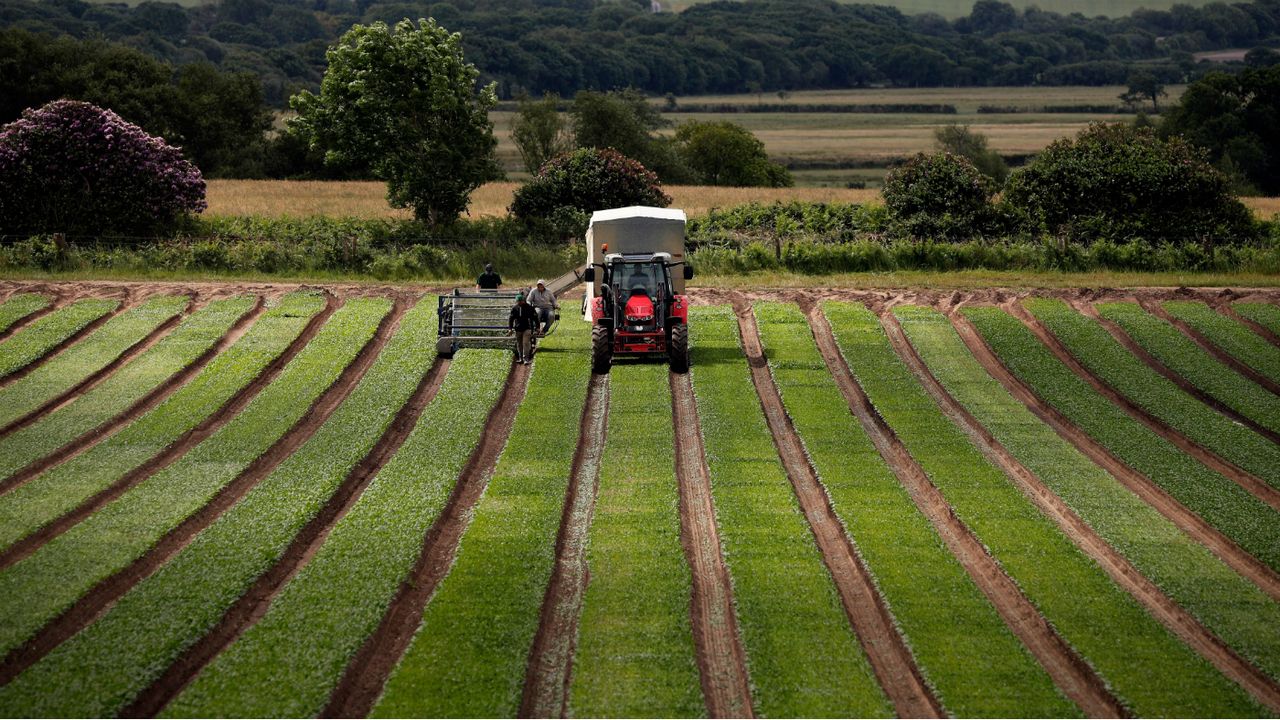
He said some farms in well-irrigated areas might barely feel the effects of the dry spell but “rainfed areas will suffer if the dry spell continues.”Remelyn Recoter, regional director of the Department of Agriculture in Southern Mindanao, said 80 percent of the 53,000 hectares of riceland in Southern Mindanao is irrigated, although irrigation canals have dried up in some places.
But even if only the 20 percent that depends on rain is affected by the dry spell, that would still have a considerable impact on food production.Ansingco said the best way to mitigate the effects of the drought is for farmers to quickly switch to drought-resistant root crops.
“Let us brace for the worst and prepare ourselves,” he said, “We can do it because we’ve been here before.”
Recoter said agriculture officials have considered cloud seeding in some areas, but this has to be thoroughly studied because it can cause damage to crops vulnerable to too much rain such as bananas.
“We have to evaluate thoroughly if we consider that option because some crops like watermelon and banana, which thrive well in summer, would not benefit, and might even be destroyed, by cloud seeding,” she said.
Southern Mindanao produces more bananas than rice. It contributes only 2 to 2.5 percent of the country’s rice production, Recoter said.
In the case of the rice-producing town of Magsaysay in Davao del Sur, officials said the low water level in irrigation systems there had delayed the planting season. It should have started during the first week of this month.
Exequiel Elentorio, president of the Badagoy Irrigators Association, said at least 40 percent of their 1,680 members have not planted yet as irrigation ditches have dried up due to the dry spell.
For the remaining 60 percent, whose farms are located near irrigation systems still with water, Elentorio said they have had to ration water to be able to plant.
The experience of Magsaysay farmers was also being experienced by their counterparts in Maguindanao.
Mosa Saligan, a farmer in Datu Odin Sinsuat, Maguindanao, said they could not replant for lack of rain.
”There are some areas which are irrigated but most in the upland are without irrigation. We rely on rains that we have not experienced for a long time,” said another farmer, Kali Usman of Upi, Maguindanao.
Makmod Mending, ARMM regional secretary of the agriculture and fishery, said his office has sent teams to monitor the condition of farms in Maguindanao so appropriate action could be taken.
Source - http://newsinfo.inquirer.net/