Cherry lovers from around the Bay Area who annually flock to the orchards here for the U-pick season better hurry this year because the dry, warm winter has resulted in pickings that are slimmer than usual. Those who wait much past Memorial Day might be out of luck.
And how the adverse weather conditions will affect yields -- and prices -- for the rest of the summer's crops remains anybody's guess.
The U-pick cherry season typically heats up over Memorial Day weekend, with an onslaught of do-it-yourselfers who descend on the dozens of Brentwood-area orchards.
But after a winter that lacked much of the rain and fog needed to keep temperatures down, cherry crops around the state are lighter, said Len Del Chiaro, who operates two U-pick cherry businesses in the area.
Cherry lovers from around the Bay Area who annually flock to the orchards here for the U-pick season better hurry this year because the dry, warm winter has resulted in pickings that are slimmer than usual. Those who wait much past Memorial Day might be out of luck.
And how the adverse weather conditions will affect yields -- and prices -- for the rest of the summer's crops remains anybody's guess.
The U-pick cherry season typically heats up over Memorial Day weekend, with an onslaught of do-it-yourselfers who descend on the dozens of Brentwood-area orchards.
But after a winter that lacked much of the rain and fog needed to keep temperatures down, cherry crops around the state are lighter, said Len Del Chiaro, who operates two U-pick cherry businesses in the area.
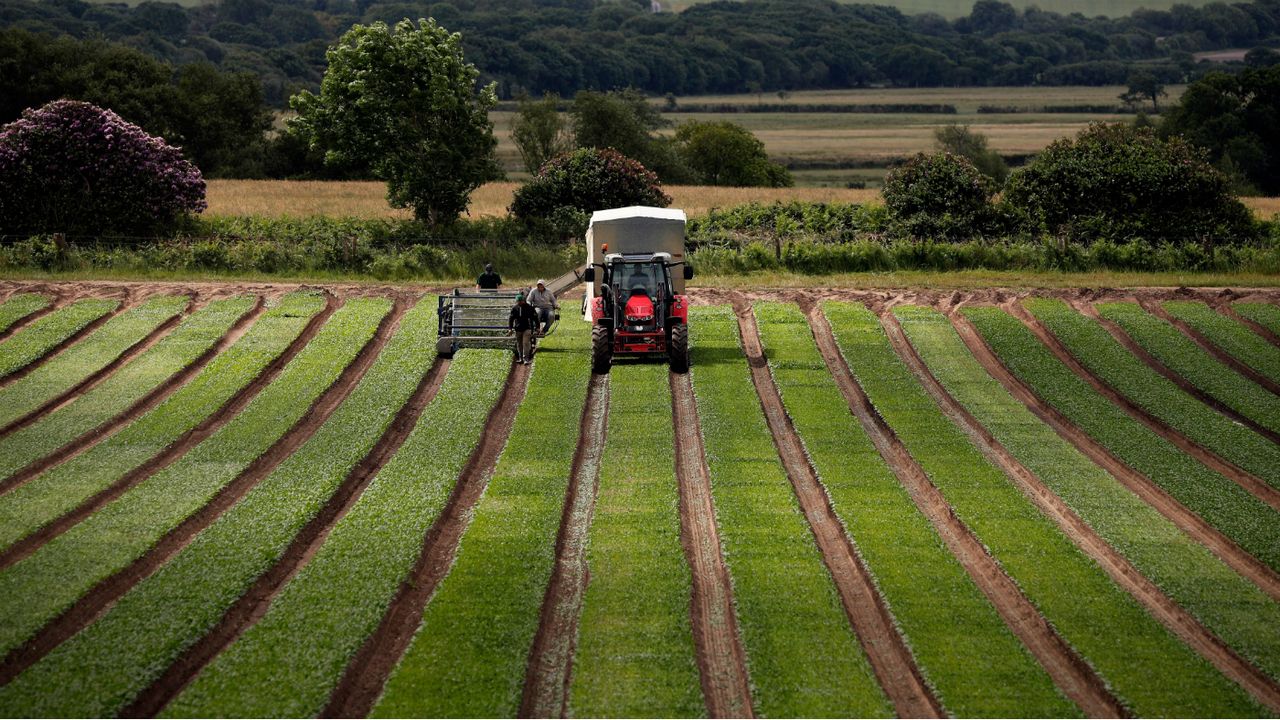
The dozens of farms in the area sell far more than Bings, Utah Giants and Lapins, and how other crops will fare this summer depends on the quantity and quality of the water available.
The rainfall average in East Contra County totaled 7.31 inches at the end of April, 62 percent of the norm at that point in the season, according to the Contra Costa County Flood Control District. Growers in other parts of the Bay Area -- from Santa Cruz to San Mateo to Sonoma County -- are contending with similar shortages.
Brentwood orchard owner Ron Enos normally relies solely on the rain he gets from December to March in tending to the lettuce, chard, kale, beets and broccoli that he also sells to U-pick customers.
This year, however, he had to irrigate throughout that period as well.
Aside from the additional cost this represents to growers -- and, in turn, their customers -- no one knows for sure how much water will be coming down the pipes in the future.
The state Water Resources Control Board in January issued a rare alert -- the first since 1977 -- announcing that it might have to reduce or even cut off irrigation districts' supply.
The agency is poised to start limiting water to those with lower-priority claims to the allocations they receive, and it's planning to extend the cutbacks to districts that have first dibs sometime during the first two weeks of June.
East Contra Costa and Byron Bethany irrigation districts, which together serve most of the region's growers, are among those in that second group.
And that has many of their customers worried.
Fruit crops need water from spring to fall; those that don't get enough won't produce as much the following year, said Janet Caprile, farm adviser for the University of California Cooperative Extension in Contra Costa County.
Vegetables such as sweet corn -- East County's biggest crop and a favorite at farmers markets around the region -- also would be affected, she said.
Smaller yields translate into higher prices not only locally but throughout the state, which, because it provides a huge percentage of the country's fruits and vegetables, also would result in the cost of produce increasing nationally, Caprile said.
A complete stoppage would hurt many farmers such as Enos, who don't have access to well water.
"If it does happen, it'll close me down," he said.
Aside from concerns about their irrigation water drying up, growers are keenly aware that whatever they do receive might be compromised this year.
East County's irrigation districts pull their supply from the Delta, and with much less of the Sierra snowmelt flowing into the San Joaquin River, there isn't as much freshwater to push back what courses in from the ocean.
Too much salinity will affect the yield -- even the survivability -- of crops such as green beans, which are particularly sensitive to concentrations of salt, Enos said.
As questions about water conditions linger, about the only certainty farmers have is that the outcome of this year's harvests is out of their hands.
"There's nothing you can do," Del Chiaro said. "What happens, happens."
Source - http://www.mercurynews.com/