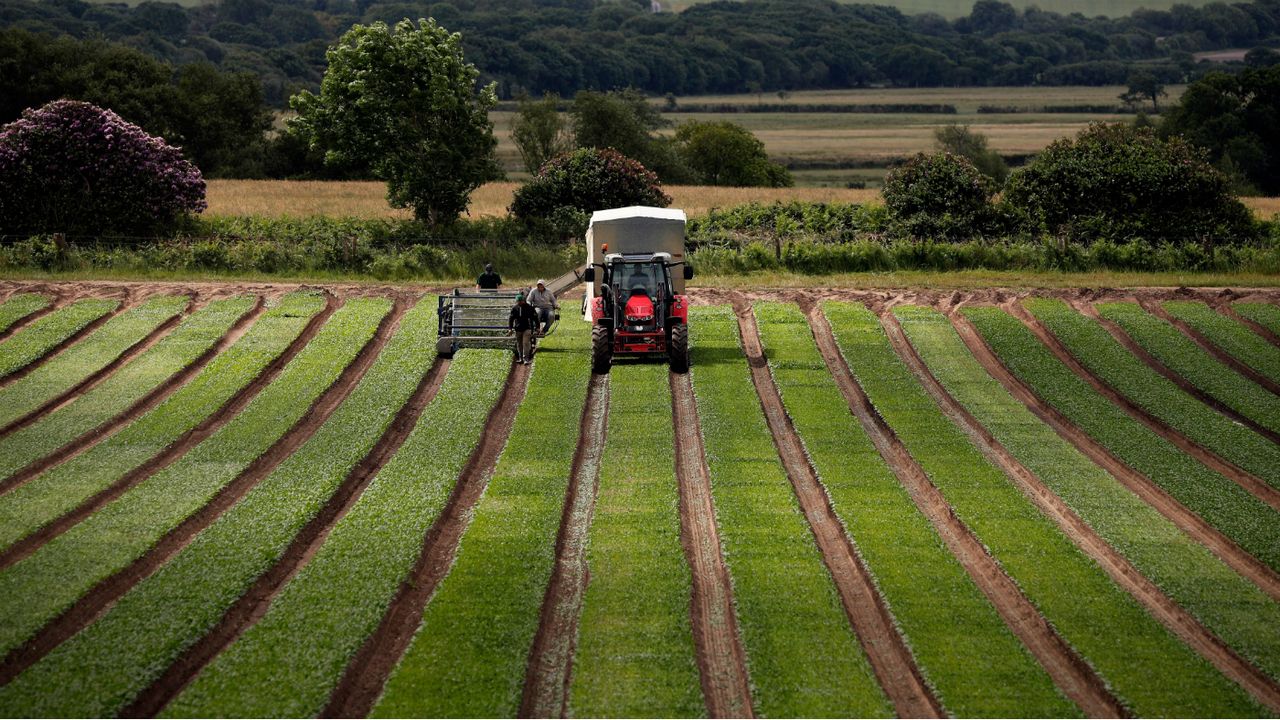
With a wet, late planting season, farmers are approaching planting deadlines for full crop insurance compensation on various crops. Sen. Heidi Heitkamp, D-N.D., is asking the U.S. Department of Agriculture to consider delaying the final crop insurance planting deadline for corn this year and other crops in future years.
As of May 19, the National Agricultural Statistics Service pegged corn planting progress at a mere 17 percent in North Dakota and 53 percent in Minnesota, and a more normal 73 percent in South Dakota.
Spokesman Todd Duetz sidestepped a question about whether it is realistic to change the corn planting date from May 25 for this year, but said Heitkamp is hopeful that USDA would give it “full consideration,” and noted that asking for the relief underlines the need for action in future years for other crops. Heitkamp wants USDA to consider pushing back final planting dates for early spring crops in 2015 and subsequent years.
Doug Hagel, regional director for the federal Risk Management Agency, based in Billings, Mont., says the contracts with reinsurers are submitted in the summer of the previous year and finalized on Nov. 30 each year.
“After that period, you can’t change anything without having some impact with the producers — you don’t want to do that — or with the insurance companies who are carrying the risk,” he says.
Hagel acknowledges it is more plausible to talk about changing policies for future years, which is based on research and statistics from universities and the Agricultural Research Service, among others. He acknowledges farmers can still plant during their late planting period, but face a reduced coverage, which offsets the risk.
He adds farmers also typically plant shorter-season varieties during late planting, which tends to reduce yields.
“But the new varieties are changing, getting better — getting out of the ground quicker and moving faster” in development, Hagel says.
He says sugar beet cooperatives in the region have been talking with RMA about changing planting deadlines for future years from the current May 31 to June 10.
Source - http://www.agweek.com/