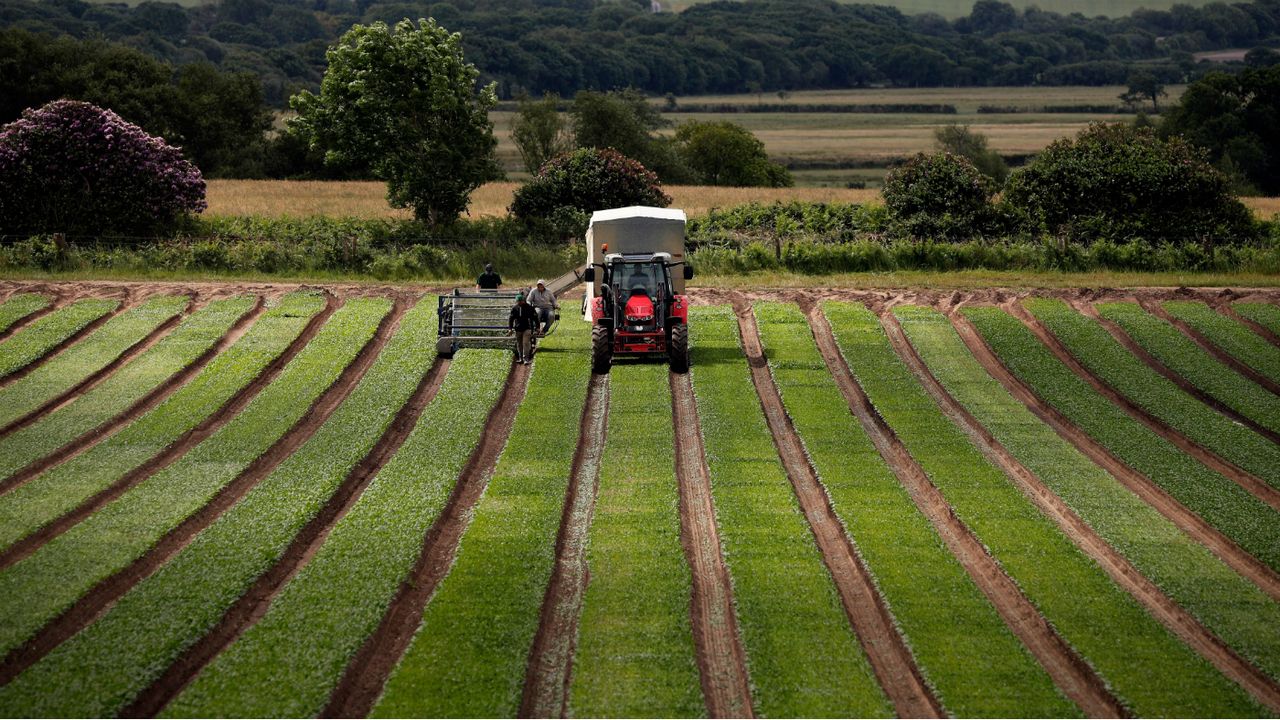
There’s no need to travel to Minnesota. Last week’s heavy rains turned Fond du Lac County into a Land of More than 10,000 Lakes. Unfortunately, most of the surface water resided or still resides in crop fields.
This is not first rodeo with this type of event, but that doesn’t make it any easier to take. The aftermath of torrential rain following 10 days of intense planting will haunt the remainder of the growing season on a number of fronts.
Corn: Plants that remained in saturated or flooded soils for more than 48 hours are at the highest risk for death. When water fills the air pores of soil, plants become oxygen deficient and growing points (still below the soil surface at this point) are unable to respire. Death, of course, is the most dramatic form of plant loss. However, even those plants that do survive will be subject to a loss in yield potential.
Of primary concern is nitrogen loss from denitrification and leaching. How much nitrogen is lost under wet soil conditions depends on a number of factors, but yellow corn leaves will probably not be hard to find after several more weeks of growth. Where feasible, additional nitrogen will and should be applied to maintain yield potential. Pre-sidedress nitrogen tests can be used to assess the nitrogen status of the soil.
Corn located in saturated or flooded soils becomes predisposed to a variety of diseases. These include root and stalk rots along with a late-season disease called crazy top, a fungal disease that depends on saturated soil conditions to infect seedlings.
Root growth is impacted by saturated soils. Root systems are neither as deep nor extensive when soils remain wet for extended periods. Often corn is severely impacted by such a condition later in the growing season if it becomes hot and dry and plants are in need of moisture. All of these factors will combine to lower potential grain and silage yields.
Soybean: The story is similar for soybeans. If anything, soybeans may endure somewhat longer periods of flooding (48 to 96 hours). Again, the actual time frame will depend on factors such as temperature and soil type. Soybeans are more likely to be infected by early season soil-borne diseases when subjected to wet soil conditions. The extent that these diseases take away yield potential will vary, but resistant varieties and fungicide seed treatments will surely pay for themselves this year.
Soil: Whenever torrential rains fall early in the growing season, soil loss from crop fields becomes a problem. Erosion and silting can be significant yield robbers both in the year they occur and in future years.
It’s easy to see where grass waterways are needed; this soil conservation practice is vastly under-utilized. Wet soils also are prone to compaction from wheel traffic as field operations are often completed under less-than-optimum conditions. Yield reductions from soil compaction are often long-lasting.
Source - http://www.fdlreporter.com/