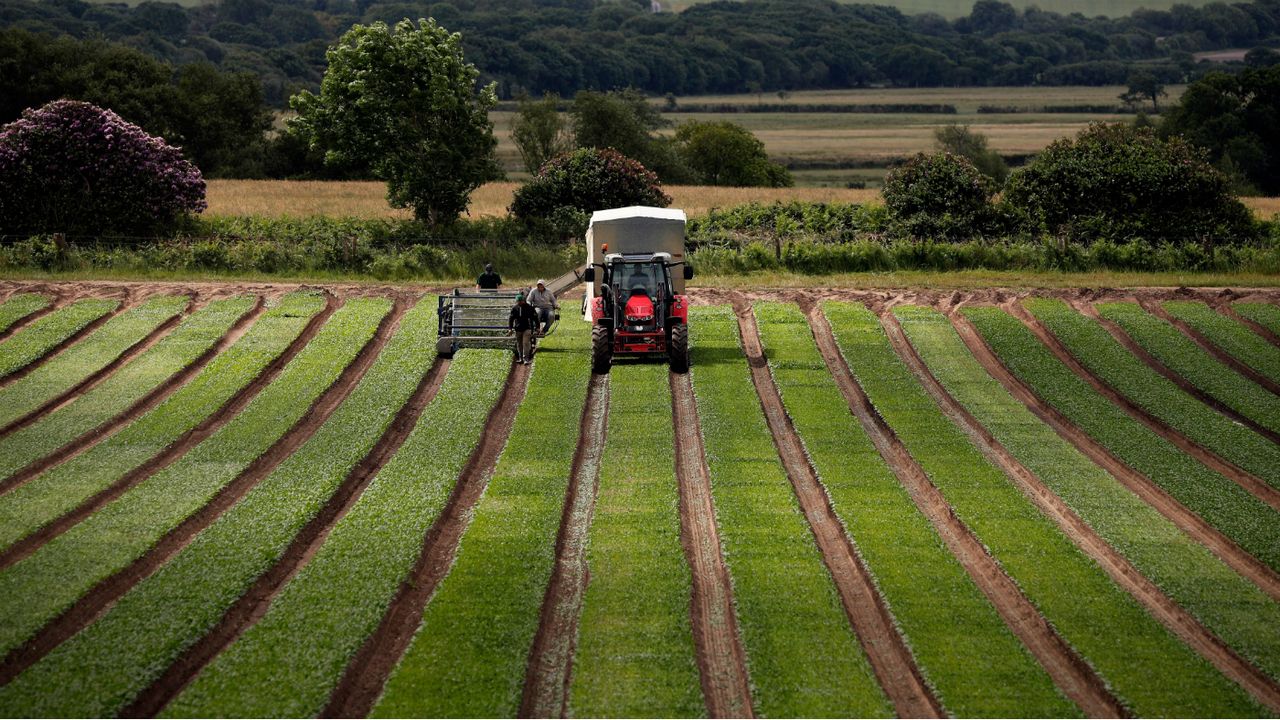
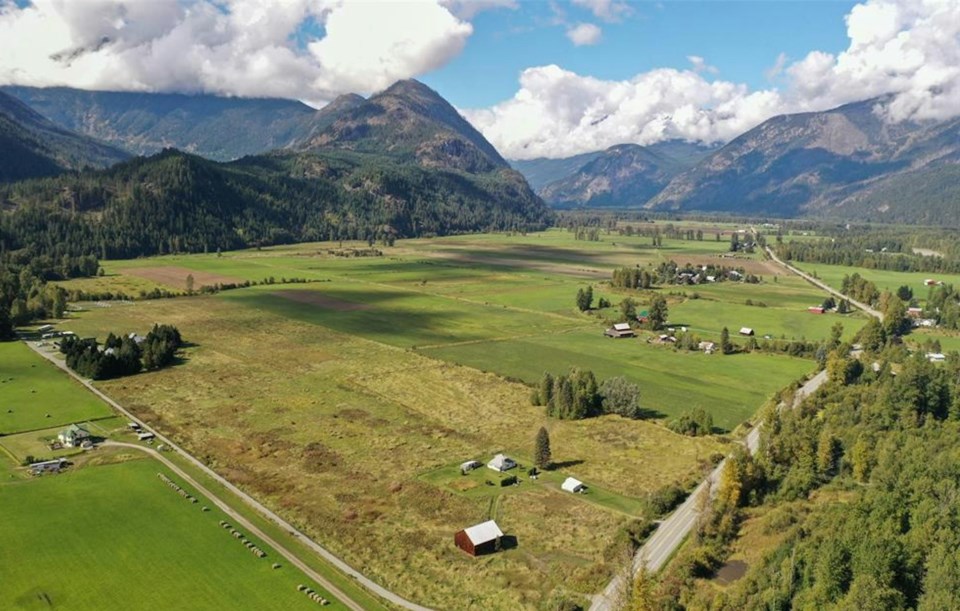
Blake Duchek’s farm in Saskatchewan was pummeled with as much as 11 inches (28 centimeters) of rain in the span of three days last month, killing crops that were sitting in several inches to a foot of water. He estimates the losses will cost him more than C$500,000 ($468,000).
“It’s a total write-off,” said Duchek, a 33-year-old farmer who estimates he’s lost as much as 35 percent of his 5,500 canola and wheat acres near Esterhazy. “It’s a big financial loss.”
Widespread flooding after record rainfall is reversing expectations for a bigger crop in Canada, the world’s largest grower, after the government said last month that planting would increase 1.5 percent to 20.2 million acres. Sowings could miss that forecast by as much as 11 percent and output may tumble as much as 10 percent from last year’s all-time high of 18 million metric tons, according to Errol Anderson, the president of ProMarket Wire, a grains newsletter in Calgary.
“What we thought was going to be an abundant amount of canola one year from now just won’t be there,” Anderson said in a July 4 telephone interview. Inventories before next year’s harvest “could be half of what we thought,” he said.
Tighter supplies for processors could send cash prices for canola as much as C$20 a ton above Winnipeg futures in the next 12 months, Anderson estimates. That compares with a discount of about C$5 on June 27 for grain in Saskatchewan, the latest government data show. Futures for November delivery rose 0.4 percent to C$459.40 a ton yesterday ICE Futures Canada in Winnipeg, Manitoba. Prices climbed 2.1 percent this year.
Record Rain
The downpour is also trimming the outlook for wheat and other grains, and as many as 6 million acres of farmland in Manitoba, Alberta and Saskatchewan may be dead or drowned, according to Saskatoon-based Weber Commodities.
Parts of the prairies received record rain since the start of the growing season, and Saskatchewan, the nation’s top wheat and canola producer, has had as much as triple the normal amount in the past month, Martell Crop Projections said in a June 26 report. Fifty-four municipalities in Saskatchewan have declared a state of emergency, Colin King, the province’s deputy commissioner of emergency management and fire safety, said July 2. Manitoba declared a provincial state of emergency on July 4.
The outlook for record soybean acres in the U.S. may limit price gains, as some oilseed consumers substitute for canola. About 84.8 million soybean acres will be sown in the U.S. this year, the most ever and up 11 percent from a year earlier, according to the U.S. Department of Agriculture.
Alberta Crops
Canada’s canola production outside the flooded regions can also help make up for the drowned acres. The majority of crops outside the waterlogged areas are in fair to excellent condition, according to Saskatchewan’s agriculture ministry. Eighty-one percent of the canola in Alberta, Canada’s second-largest grower, is in good to excellent condition as of June 30, according to a July 4 report.
This year’s crop damage comes after 2013’s record grain harvest overwhelmed the country’s rail system and made sales almost impossible. The rail backlog left as much as C$20 billion ($18 billion) of crops stuck on the prairies and prompted the government to order railways to increase grain shipments or face penalties of as much as C$100,000 per day.
Storage Bins
Grain bags and storage bins filled with crops left from last year’s harvest have been damaged by flood waters, said Norm Hall, a farmer and president of the Agricultural Producers Association of Saskatchewan. Crop and residential property losses are probably in the “millions of dollars,” he said. Canola inventories rose 55 percent to 12.6 million as of Dec. 31 from 8.1 million a year earlier, government data show.
“There are some guys saying they’ve lost 30 percent of their crop,” Hall said in a July 3 telephone interview. “The bottom of the bins are generally two-to-three feet off the ground, and these bins are in four feet of water.”
Saskatchewan Crop Insurance Corp., a government-owned company based in Melville, expects insurance payouts on crops to increase after floods wiped out acreage. It’s too early to estimate the extent of the damage as producers are just starting to call in with flooding reports, Shawn Jaques, the chief executive officer for the insurer said July 2 on a call with reporters.
Rains will also damage crop yields, said Bruce Burnett, a weather and crop specialist with Winnipeg-based CWB. Acres lost for farms in Manitoba and Saskatchewan are as high as 40 percent, and five out of 14 growing areas in Saskatchewan have below-average yield potential, FarmLink Marketing Solutions said in a report July 2.
“We’re looking at average to below-average production now in the entirety of western Canada,” Burnett said in a July 3 telephone interview. “We’re still trying to evaluate how much of this crop is going to be underwater for a number of days, making the plants totally die off.”
Source - http://www.bloomberg.com/