The riverine floods have been raging in Punjab for more than a week now. After wreaking a heavy devastation, the flood water cleared the rice zone and by the weekend was on the rampage in the southern part of the province, known as the cotton belt. It is expected to leave Punjab by mid-September to enter Sindh.
Though it is too early to assess the final figure of the damage it has wreaked on the hapless farmers in the rice belt initial estimates put up by the official agencies are alarming.
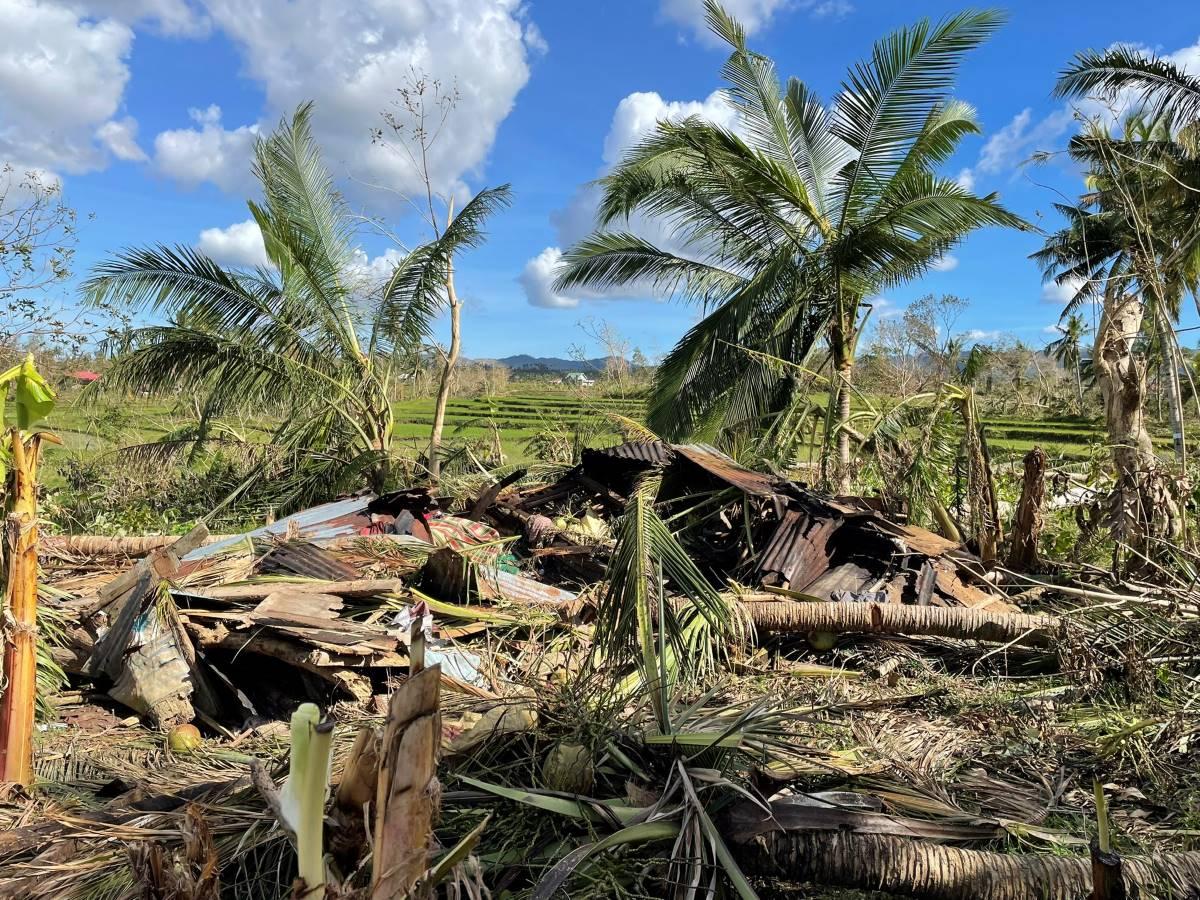
By Thursday evening, the flood, to varying levels, had affected well over 1m acres of the rice zone. It hit 1.8m people,mostly farmers, along with, if farmers’ representatives are to be believed, 0.8m livestock. Damages to southern part of the province are so far excluded from the tally.
Since the flood entered Pakistan through the rice zone (upper and central districts of the Punjab), the crop was first to take the hit. According to growers, out of these 1m affected acres, 0.7m were under the rice (read basmati – the premium variety) crop and the rest mainly fodder.
Both these crops are highly important for the farmers; one sustaining their lives, the other their livestock. With both these crops greatly impacted, the farmer may have a financially difficult – some put it as disastrous – year ahead. As per farmers’ initial claims, they fear 10-15pc loss in rice yield, which in monitory terms means anything between Rs20bn to Rs25bn. What makes it worst for farmers is they would suffer the entire loss individually; the government would not suffer even a rupee on this account.
Even if 10 acre per family is taken as an average, these floods have already financially destroyed over 70,000 farming families in one part of the province and repeating the performance in the other part.
What makes these floods psychologically more damaging for farmers, is the reality that the flood pattern has been same for the last many centuries. These areas, because they fall on the foothill of the water generating systems, suffer the most.
The water runs down quickly from hills, leaving no time for them to recover, and the successive governments have left them at the mercy of this unchecked quantum and flow of floods.
This year, the Met office issued an alert on September 1, and this alert was converted into a warning on September 3 and floods hit the area on 4th. It indicates the speed of water with which it hits the region. If flood data is something to go by, the current one is flood number 24 during the last 50 years, making it almost alternate year phenomenon. During the last four years, it has been the second major flood in the same area. Despite this documentation, the floods visit these areas regularly, and remain completely unchecked.
As history has it, three rivers — Jehlum, Chenab and Ravi — broke their banks this year as well and inundated vast areas. But even before them, these were their tributaries (called nullah in vernacular) that had caused and spread the main damage before falling into main rivers and causing cumulative flooding and ringing national alarm bells.
The river Jehlum was tamed to some extent by Mangla dam, though it could still be questioned whether more water could have been absorbed in the lake through in-time controlled releases. Still, it took a large impact. It was Chenab, along with four major tributaries — Dek, Basanter, Dain and Palkhu — that devastated the rice zone. For the last 67 years, these tributaries have been converted into a recipe for disasters by different state and private structures, hampering their flow instead of making efforts to smoothly channelise them into Chenab.
Railway lines, roads and bridges have been built by the state with narrow passages, which become part of the problem in times of floods. As population grew, residential colonies emerged, on the beds to further complicate the situation.
The official response to this recurring tragedy is also a classic case of knee-jerk; a well advertised compensation package, which has no relation with the scale of loss. Even this year, both federal and provincial governments put together have so far announced Rs2bn against initial estimates of around Rs25bn losses of rice zone alone.
This compensation package is not for crop losses alone, but includes all kind of losses; deaths, total or partial home damages, medical and other logistics. Without belittling the importance of compensation, however meagrer, one may legitimately ask the basic question: does it provide permanent solution to this regular crisis? Of course not!
Building new dams might be contentious given the nature and mistrust among the provinces, but managing these tributaries is certainly not. Why are they allowed to run amock every second year and cause huge human, infrastructural and financial losses? This needs to be answered before the next time we experience flood-related national sense of déjà vu.
Source - http://www.dawn.com/