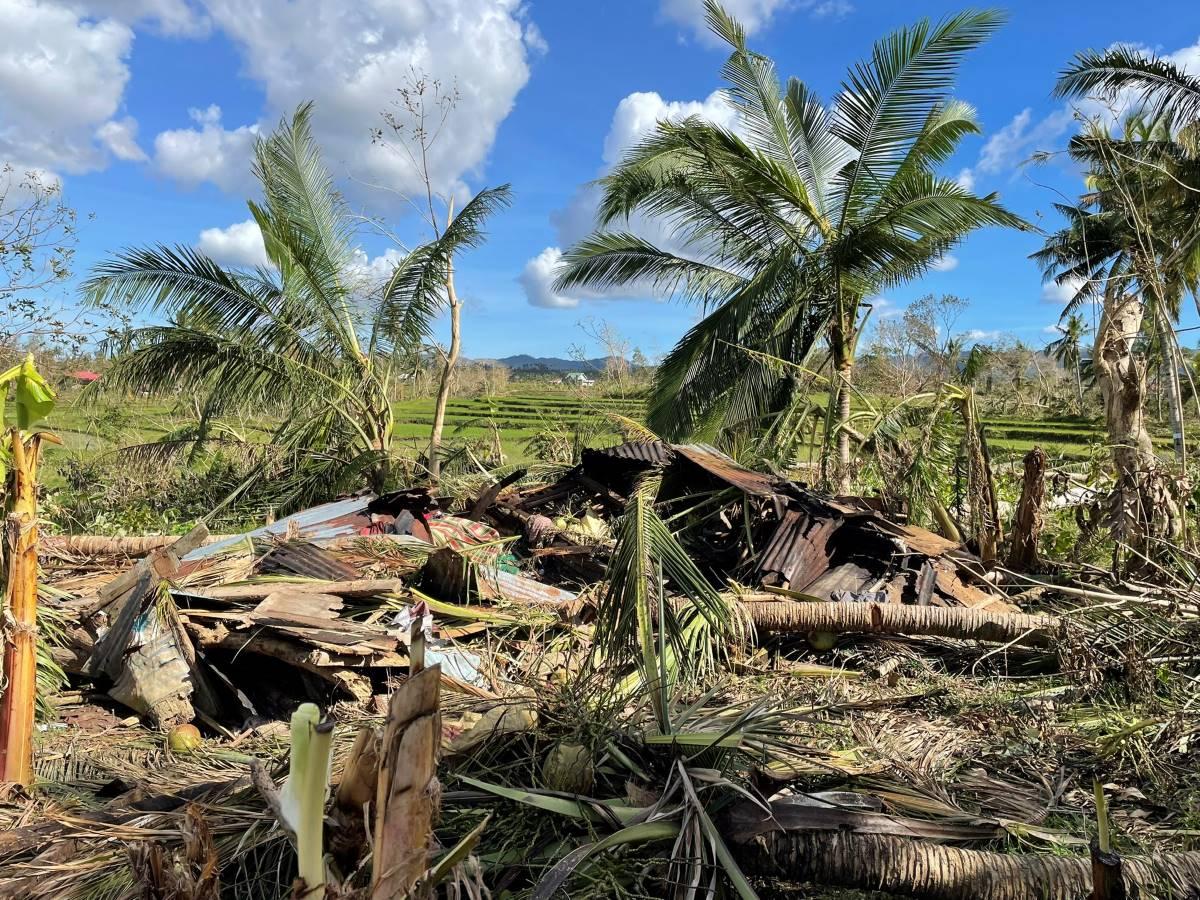
Typhoon Luis (international name: Kalmaegi) left the Philippines with more than P400 million in damages, its Department of Agriculture (DA) said, citing field estimates made as of 12 noon on Tuesday.
National production losses reached P409.67 million, a DA Undersecretary for Field Operations Emerson U. Palad said, adding that the estimate covers 18 provinces in five regions - Abra, Apayao, Benguet, Ifugao, Kalinga and Mountain Province in the Cordillera Administrative Region (CAR); Ilocos Norte, Ilocos Sur and Pangasinan in the Ilocos Region; Cagayan and Isabela in the Cagayan Valley; Aurora, Bulacan, Nueva Ecija, Tarlac, Pampanga, and Zambales in Cental Luzon; and Camarines Sur in Bicol.
Region II (Cagayan Valley) suffered the most with a production loss of P262.19 million, composed of P136.1 million in rice and P126.06 million in corn.
This was followed by Region III (Central Luzon) at P60.50 million, Region I (Ilocos) at P43.13 million, Region V (Bicol) at P24.35 million, and the Cordillera Administrative Region (CAR) at P19.50 million.
The initial report does not include fisheries and other sectors yet as field validations and re-validations are ongoing, Mr. Palad said.
The DA is also “confident that the losses will have minimal or no impact at all to national production targets,” the department said in a press release.
Of the total 51,090 hectares affected by the typhoon nationwide, more than 90% or 50,574 have a chance of recovery. The remaining 516 hectares were totally damaged.
The highest damage was recorded in rice which noted a production loss of 15,499 metric tons (MT), valued at P270.28 million. Some 32,184 hectares of rice fields were affected with 31,679 hectares having a chance of recovery and 505 hectares with no chance of recovery.
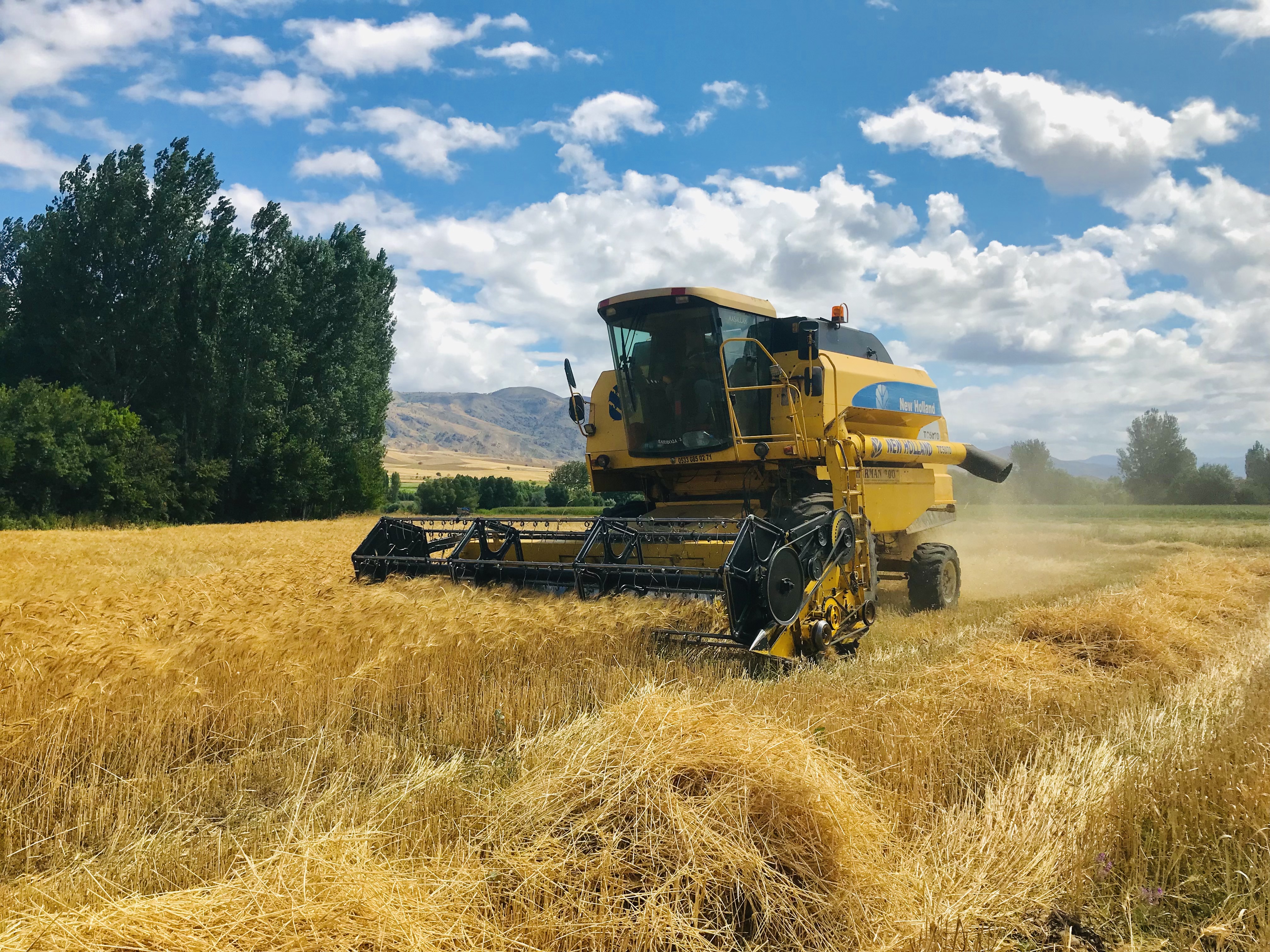
Production losses in corn reached P134.82 million equivalent to 9,888 MT. All 18,747 hectares of corn fields affected have no chance of recovery.
For high-value crops, a total of 275 MT were affected equivalent to some P4.44 million. Of the 159 hectares affected, 148 hectares have a chance of recovery. The remaining 11 hectares have no chance of recovery.
The livestock sector reported losses of P140,000.
The DA has also started to mobilize its resources in affected regions with its Palit-Tanim program which enables calamity stricken farmers to replant at the soonest possible time with the help of buffer stocking of palay seeds.
Source - http://www.bworldonline.com/