"Severe" frost has dented prospects for wheat production in South Australia, but improved canola potential by killing disease-carrying insects, officials said, amid a growing seasonal focus on Australia's crop outlook.
Farm officials in South Australia cut by 300,000 tonnes to 4.34m tonnes their forecast for the state's wheat production, representing a 13% fall year on year.
The downgrade - to a figure some 200,000 tonnes below an estimate from official commodities bureau Abares last week – reflected in part poor August rainfall in some areas, with parts of the Eyre Peninsula receiving record-low precipitation for the month.
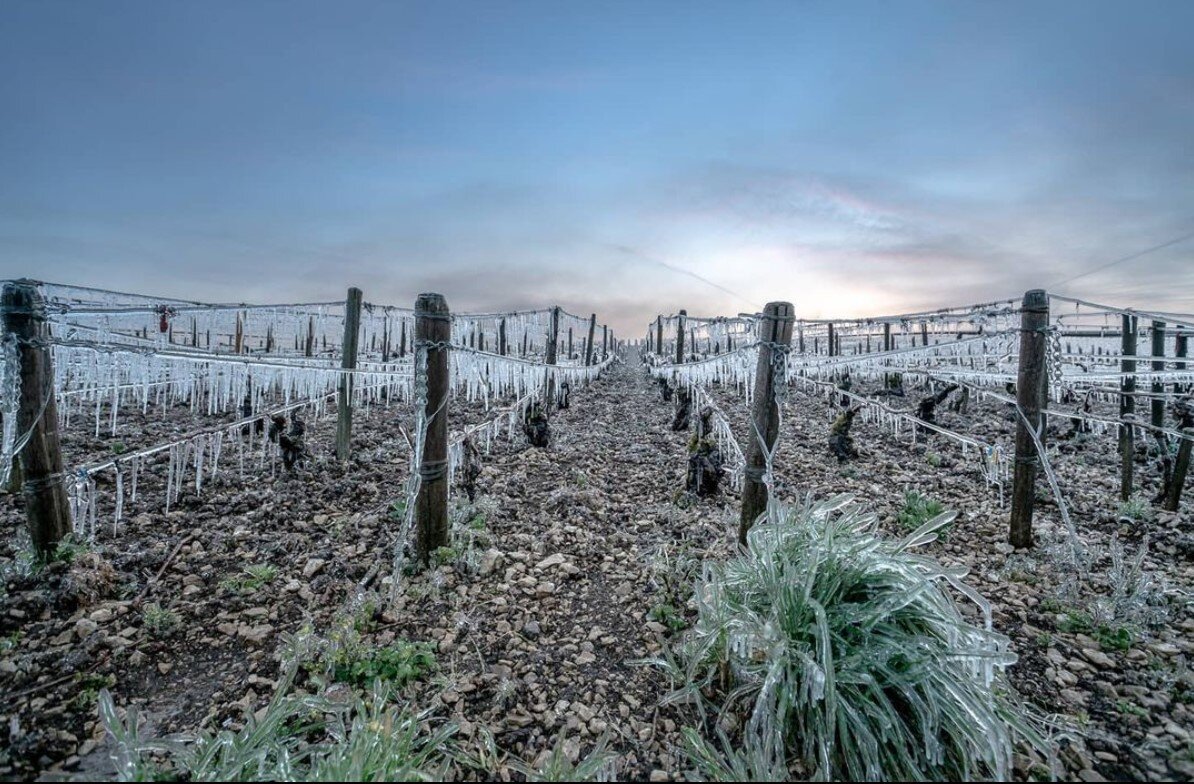
However, the officials flagged in the main "widespread, severe frosts" which caused "significant damage to crops from Penong in the west to Pinnaroo in the east".
'Severely damaged'
Losses had appeared worst in the Northern Mallee region, in the north of the state, where losses of 30-40% looked likely.
"Where frost was very severe, wheat crops have been damaged from early stem elongation to head emergence growth stages," the officials said a report, adding that "early-sown oaten hay, pea and lupin crops have also been severely damaged".
Indeed, all types of early-seeded crops, ie those planted before April 20, had also proved particularly vulnerable, "with yield losses of 80%", the officials said a report.
Farmers have cut some frost-damage crops for hay, or used it for livestock grazing.
'Dramatically reduced'
However, for canola, the frost has been a boon, causing "relatively low" frost damage while killing off many of the aphids behind an outbreak of beet western yellows virus which raised alarm earlier in the growing season.
"Peach green aphid numbers have been dramatically reduced by the cold weather and have not yet built up again in most districts," the report said.
The estimate for the South Australia canola crop was upgraded by 66,000 tonnes to 399,400 tonnes, a little above an Abares forecast of 396,000 tonnes.
The comments come amid growing market attention on Australian crops, for which harvesting begins next month, after bumper harvests in the northern hemisphere.
Source - http://www.agrimoney.com/