Kenya - Lethal disease cuts harvest in North Rift

24.12.2014 222 views

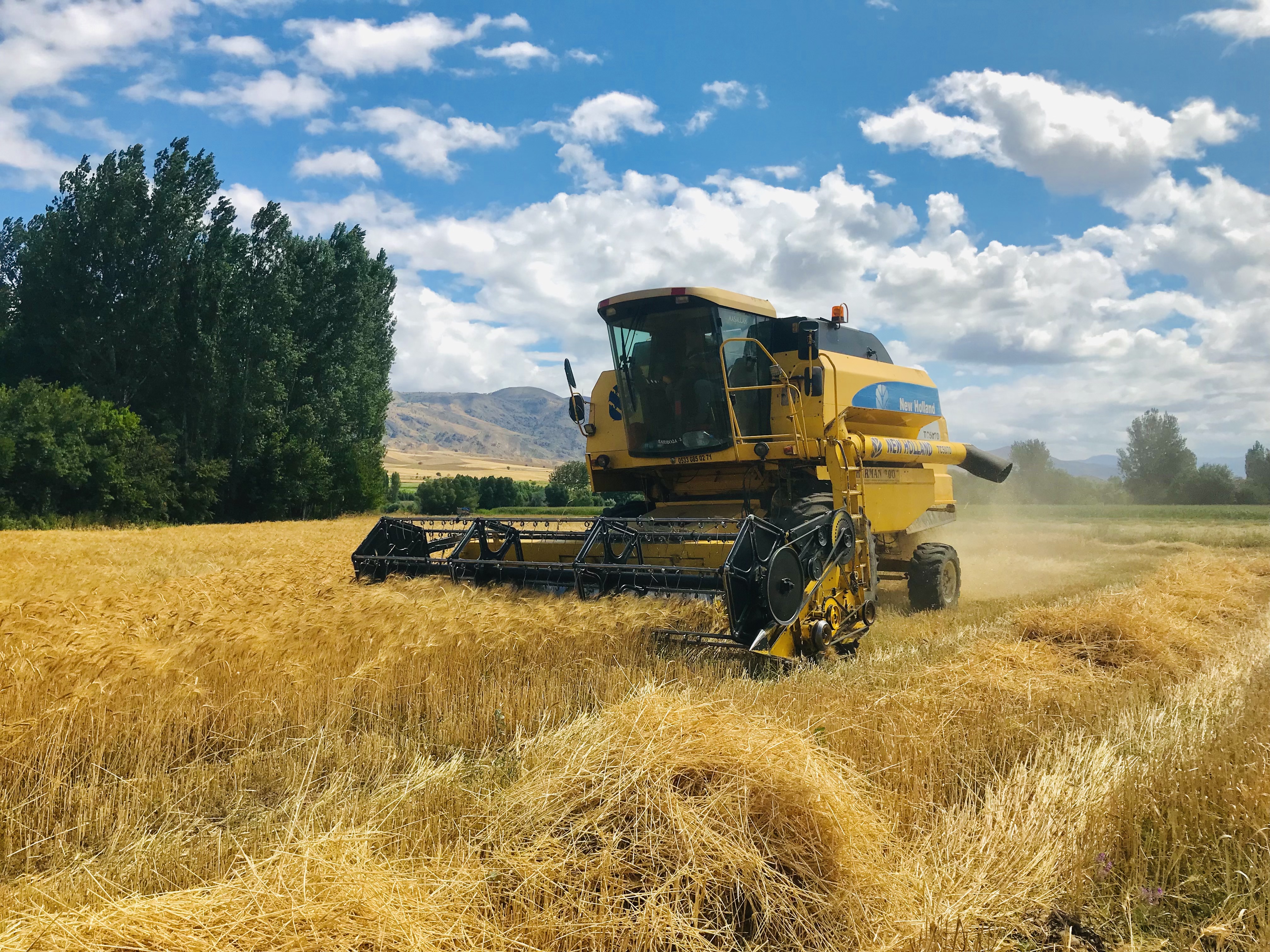
Maize farmers in the North Rift region may lose 40 per cent of their expected maize produce to the Maize Lethal Necrosis Disease (MLND), experts have warned.

Coupled with erratic weather conditions which saw the delay in long rains, farmers have seen their produce continue to dwindle since the disease first affected the crop in Bomet three years ago.

Trans Mara District Agricultural Officer Ernest Muendo said the disease has forced most farmers in the area to switch to other crops like sugar cane, potatoes and beans.

Mr Muendo said in 2013, 80 per cent of the crop was destroyed by the disease, forcing large-scale maize farmers to abandon the crop due to the losses they incurred.

He said Trans Mara alone produces 1.7 million bags of maize during a good season's harvest, but this year, they managed only 400,000 bags.

"Farmers here strongly rely on maize farming. A directive by the Government to switch to other alternative crops was ignored by most of them, and production has dwindled over the years," said Muendo.

"We have been forced to seek alternative sources of income but against the farmers' wishes," said Samson Kirui, a farmer from Bomet County.

However, he said the move by the Government to buy the commodity at Sh2,800 was still below farmers' expectations, adding that farmers should be paid at least Sh3,500.

A report by the Ministry of Agriculture names Bomet, Turkana, Samburu, Kajiado and Baringo as some of the counties with minimal food stocks, leading to higher prices for basic commodities.

Prices in most markets in Central Rift have reduced to Sh1,500 per 90kg bag, the report noted.

"The MLND continued to be reported in isolated places within Bomet and parts of Trans Mara. However, there was a decline in the crop area affected by the disease compared to last year," said Bomet Chief Executive officer for Agriculture Alex Kurui.

Source - http://www.standardmedia.co.ke/

10.05.2026

Philippines - Mayon ashfall inflicts P13-M crop losses

Preliminary assessments by the DA Regional Field Office V showed that 102 hectares of farmland within the six-kilometer danger zone were damaged, resulting in production losses of 364 metric tons. The losses have affected 228 farmers in Albay province.

10.05.2026

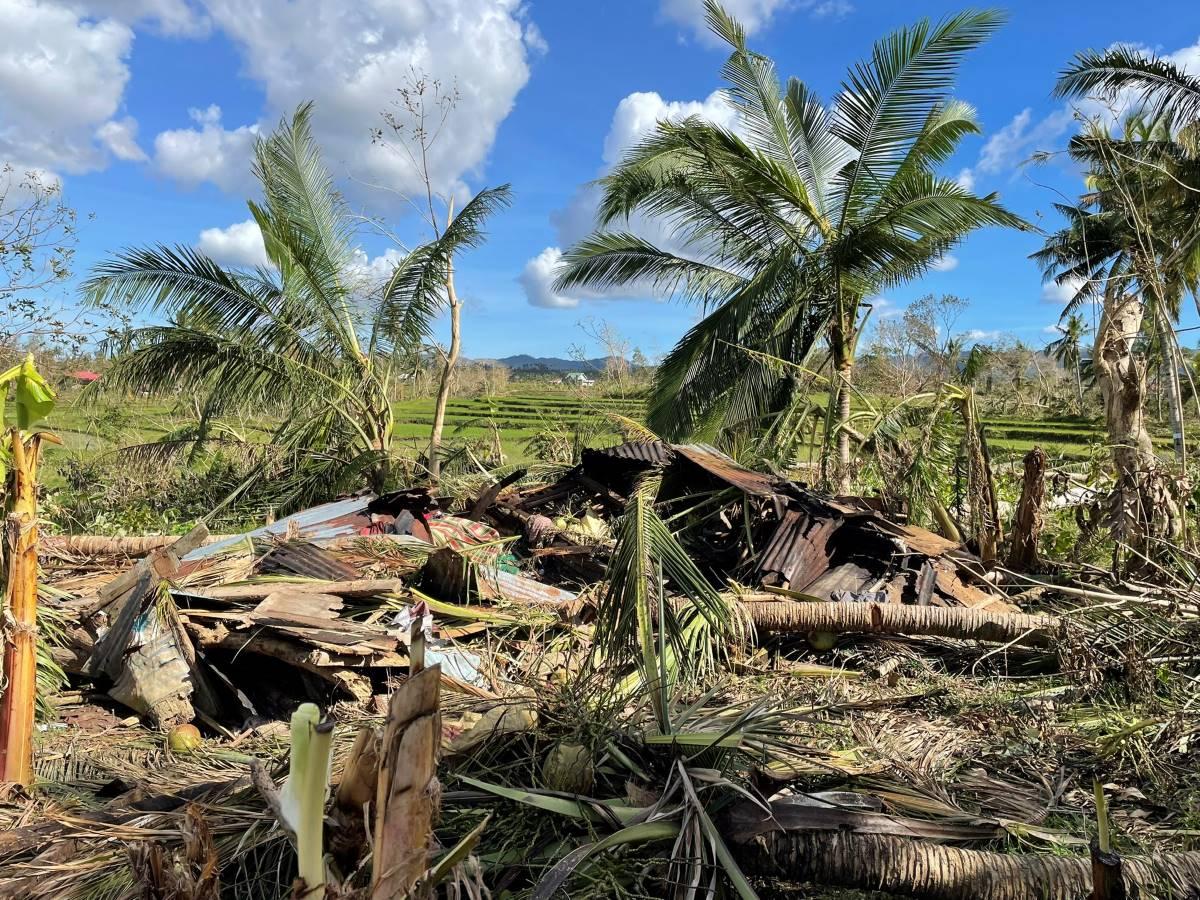
Guam - $2M needed to help 500+ farms impacted by Super Typhoon Sinlaku

The Guam Department of Agriculture has completed their post-Typhoon Sinlaku damage assessments for their Crop Loss Compensation Program. Officials now say about $2 million are needed to assist some 500 farms across the island that were impacted by the storm. 

10.05.2026

USA - Wetland mitigation credit program created specifically for farmers

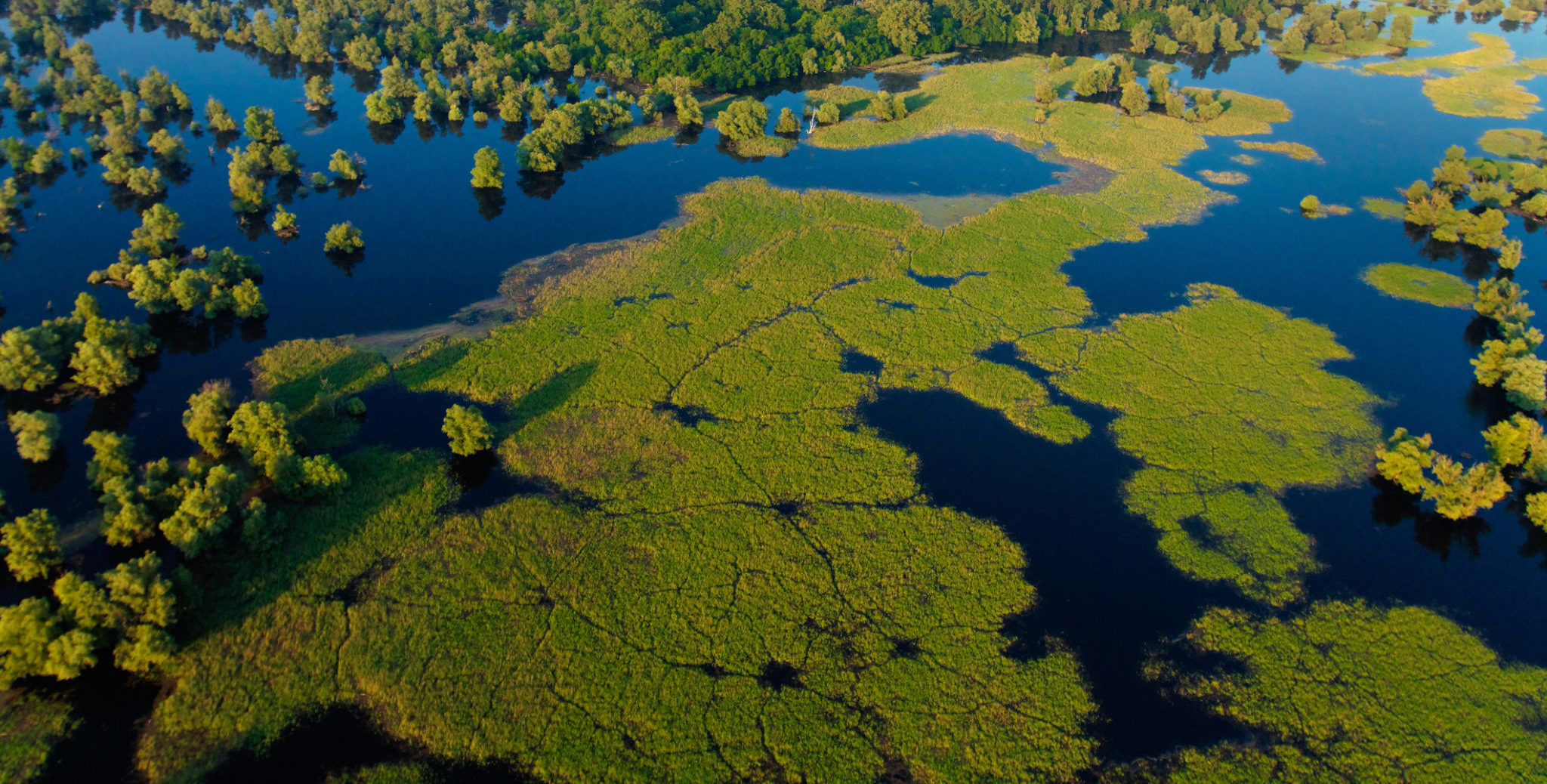
For years, farmers have worked around wetlands on their properties, balancing production and compliance around these natural wetlands — even as they present management challenges.

10.05.2026

India - Farmers in Jangpetkong to get free livestock insurance for one year

Advisor for Transport and Technical Education Temjenmenba launched a one-year, 100 per cent free Livestock Insurance Scheme exclusively for the 29 Jangpetkong Assembly Constituency at Khar village in the Mokokchung district on Saturday.

10.05.2026

USA - Researchers launch farmer decision tool to help navigate risk management choices

Farmers grappling with difficult risk management choices now have a powerful new online tool that’s born from years of data collection and months of refinement.

10.05.2026

UK - Vineyard 'devastated' as frost destroys half of crop

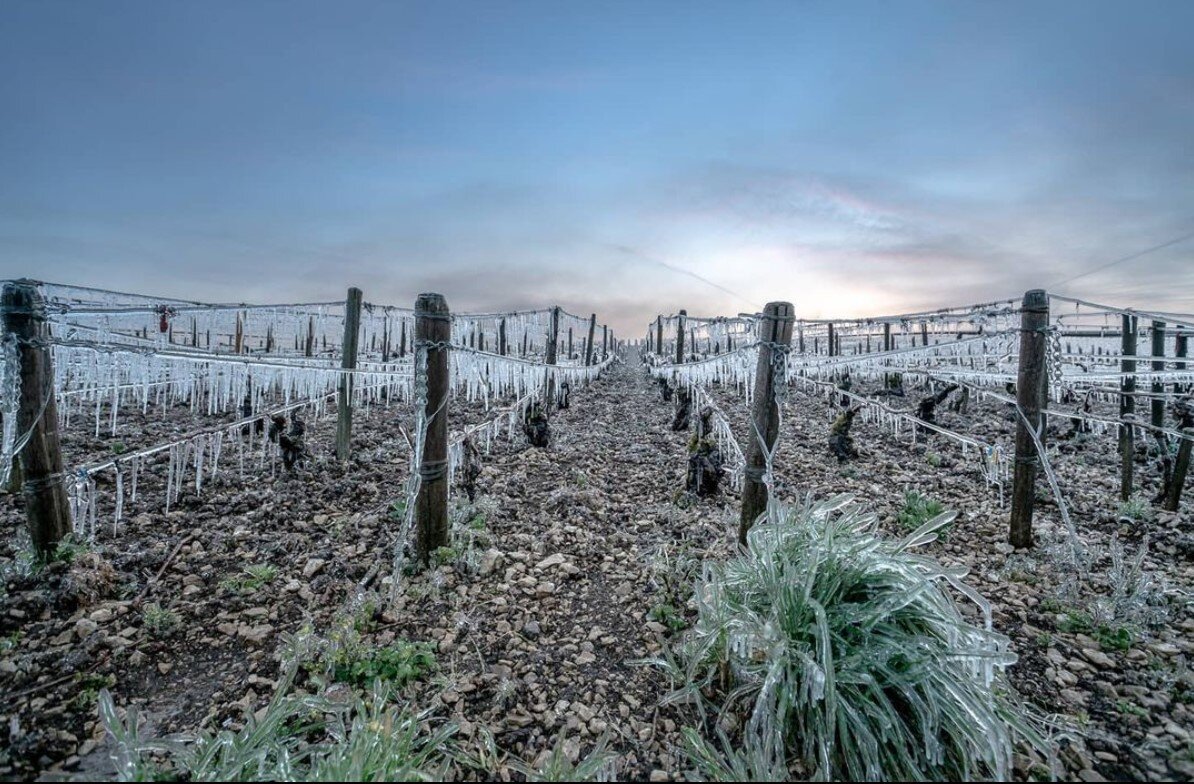
A vineyard has said the loss of half its crop in April due to frost was "devastating".

07.05.2026

Moldovan May frosts caused heavy damage to fruit orchards

The first frosty nights of May have significantly worsened estimates of damage to Moldova's fruit sector from spring frosts. 

07.05.2026

India - Over 3,000 nilgai killed to curb crop damage

A total of 3,092 ghodparas (blue bull), commonly known as nilgai, have been killed in state in the financial year 2025-26 as the department of environment, forest and climate change intensified action to protect crops from animal attacks.