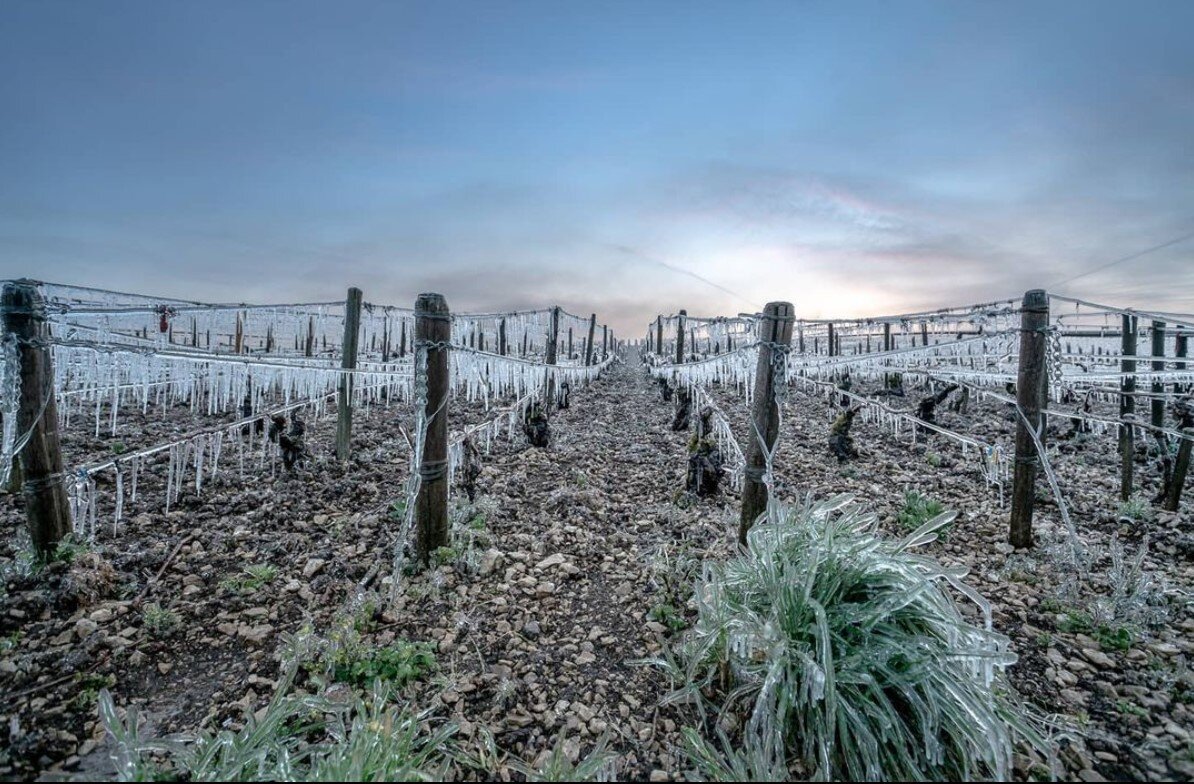
Canker, greening, freezes, hurricanes, federal immigration problems that limit picking crews.
But through all the problems of the past decades, the citrus industry hasn’t just survived, it has thrived.
A study presented last week to the Florida Citrus Commission revealed the orange, tangerine and grapefruit industry was valued at $10.7 billion and employed more than 62,000 people in 2012-13.
The latest study updated a 2007-08 report examining the economic impact of Florida’s largest agricultural crop on the state’s economy, which was then valued at $9 billion. When adjusted for inflation, that figure is equal to $10.8 billion in 2012-13, according to Dr. Alan Hodges, a University of Florida extension scientist and lead author of the study.
That means that despite an 18 percent job loss during the period, the industry has shrunk $100 million, less than 1 percent.
“We’re producing a whole lot less. We’re picking less, but we’re getting more for it,” explained Ben Albritton, who chaired the citrus commission before he was elected to the House of Representatives.
In 2003, Americans drank about 62 million gallons of juice and paid about $4.25 per gallon. In 2013, about 39 million gallons were sold for an average of $6.19 per gallon.
Hodges attributed the small change in value to higher market prices and the ongoing investments that growers are making due to citrus greening.
“Grove and processing plant owners and employees turn around and spend that money in the local economy, and it has a multiplier effect,” Hodges said. “Over $10 billion in sales in all sectors of the Florida economy can be somehow attributed to the Florida citrus industry. That includes about $5.3 billion in value added or contributions to the gross domestic product of the state of Florida.
“I believe that we’re at the bottom,” said Albritton, whose family owns Albritton Groves. “We’ve learned a lot about how to battle this disease. Solutions are around the corner. Thousands of trees are being planted, and we’re about to move back up. Which means we should be able to spend less on production costs.”
Grove owners, pickers, truck drivers, processing plant owners and their employees spend the money they earn in the local economy.
“It has a multiplier effect,” Hodges said. “Over $10 billion in sales in all sectors of the Florida economy can be somehow attributed to the Florida citrus industry. That includes about $5.3 billion in value added or contributions to the gross domestic product of the state of Florida.
But, Albritton said, the market won’t endure higher and higher prices forever. “What I learned while I was on the commission is that we all live and die on market demand.”
Orange juice consumption will continue only if the price is affordable, Albritton said. “Consumption has fallen, but it hasn’t fallen as quickly and the prices have gone up.”
“Here’s the issue we’re going to struggle with, though. That’s not a sustainable trend, as the price gets higher in the grocery story, the price will drive the lower consumption,” Albritton said.
But today, citrus producers are still making a profit, Albritton said. “Nobody is killing it though. The number of boxes per acre is way down.” That’s a result of greening: up to one-third of the fruit falls off the trees before it’s picked, rots, and is attacked by insects.
Hodges said that citrus’ impact on the economy has remained strong. His study confirmed other economic impacts citrus greening, or HLB, has had on the industry. HLB has caused a loss of more than $2.9 billion in grower revenues between 2006-07 and 2013-14, the study reports. This resulted in an average annual loss of more than 7,500 jobs and $975 million in industry output.
Source - http://highlandstoday.com/