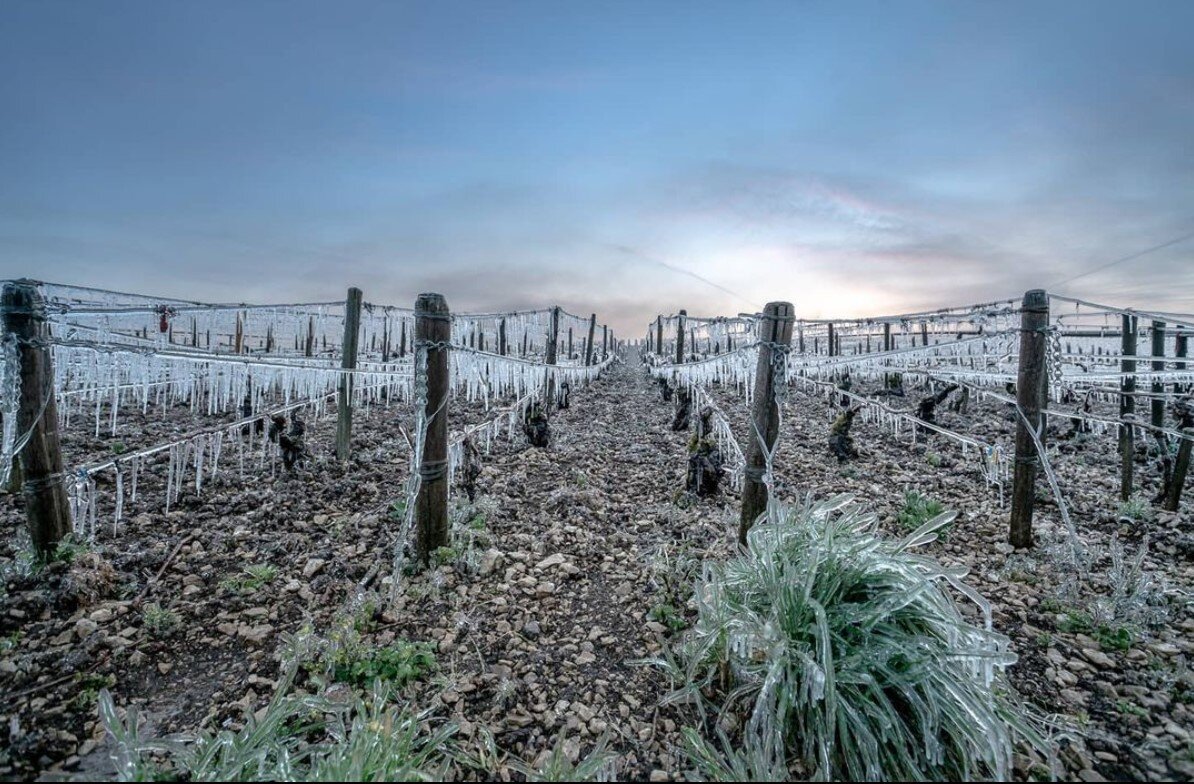
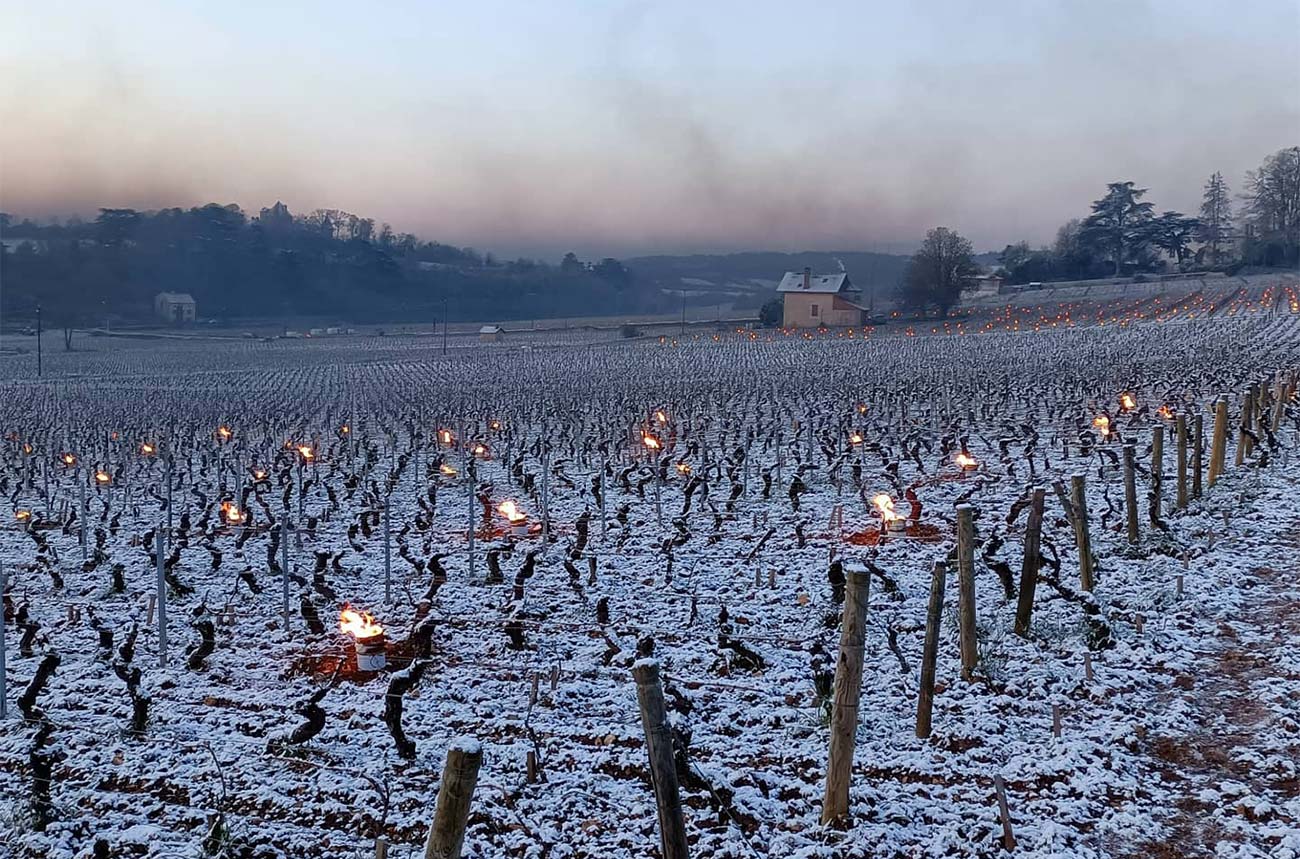
California citrus emerged from freezing temperatures that arrived New Year’s Eve largely unharmed as forecast lows did not materialize.For six straight nights starting Dec. 31, citrus growers ran water and wind machines six to 10 hours as temperatures sank to 26 degrees in the coldest areas for brief periods. Overnight lows in unprotected areas fluctuated between 27 and 29 for one to eight hours through the Central San Joaquin Valley, home to 65% of the state’s citrus acreage.
The arrival of the freeze — after about 25% of navel oranges had been harvested — spared the industry from anything remotely comparable to the early December 2013 freeze that wiped out $441 million worth of fruit.
Fruit still on the trees was better able to insulate itself from the cold due to its greater maturity and higher sugar content. There could be damage to exposed citrus on the margins of groves, but any losses to the remaining 75% of the navel crop and 70% of the mandarin crop are expected to be minimal.
“Wind machines have been very effective in holding temperatures inside groves above critical levels, maintaining safe conditions and protecting both oranges and mandarins from damage,” Bob Blakely, vice president for Exeter-based California Citrus Mutual, said Jan. 5 in a news release. “I do not expect to see any impact from this cold event on fruit supply or price.”
Mandarin producers and lemon growers, on average, ran their equipment at least 10 hours each night. Navel orange growers ran it for six to eight hours. The citrus industry spent more than $16.5 million on frost protection over six nights.
Water and wind machines raised grove temperatures on average three to four degrees, adequate to protect navels, lemons and mandarins.In the first week of January, temperatures were expected to gradually rise.
The navel orange crop is estimated at 78 million cartons in the San Joaquin Valley and another 5 million cartons in Southern California.This year’s mandarin crop is estimated at 50 million 5-pound cartons. Most lemon tonnage is in Ventura County; all of that remains on the tree. The San Joaquin Valley has an estimated 10 million carton lemon crop, with about 80% still to be harvested. The entire lemon crop is estimated at 45 million cartons.
Source - http://www.thepacker.com/